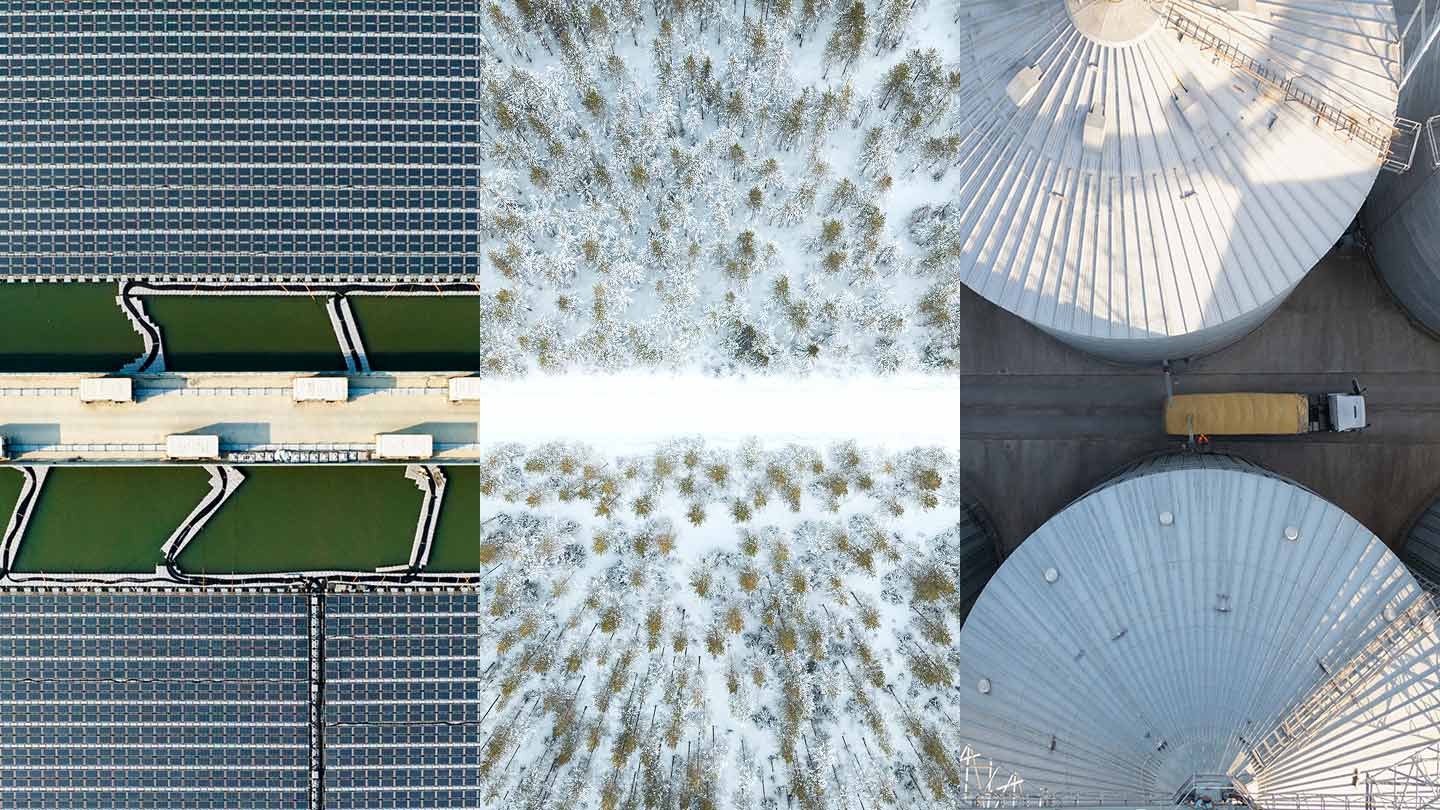
As 2026 unfolds, the green economy is entering a defining moment. Soaring demand for reliable energy, developments in battery manufacturing and storage, and the expansion of environmental markets are reshaping how companies operate. Our Green Economy Banking team is here to support you during this dynamic time and through all cycles.
In this update, experts across J.P. Morgan share energy trends and technological innovations they’re watching. We’ll also introduce you to Robert Keepers, Head of Climate Tech at J.P. Morgan.
Finally, learn how clients are shaping a more sustainable future with innovative infrastructure, plus stay up to date with timely reports and thought leadership from J.P. Morgan experts.
Emerging energy and sustainability trends
Energy innovation and grid transformation
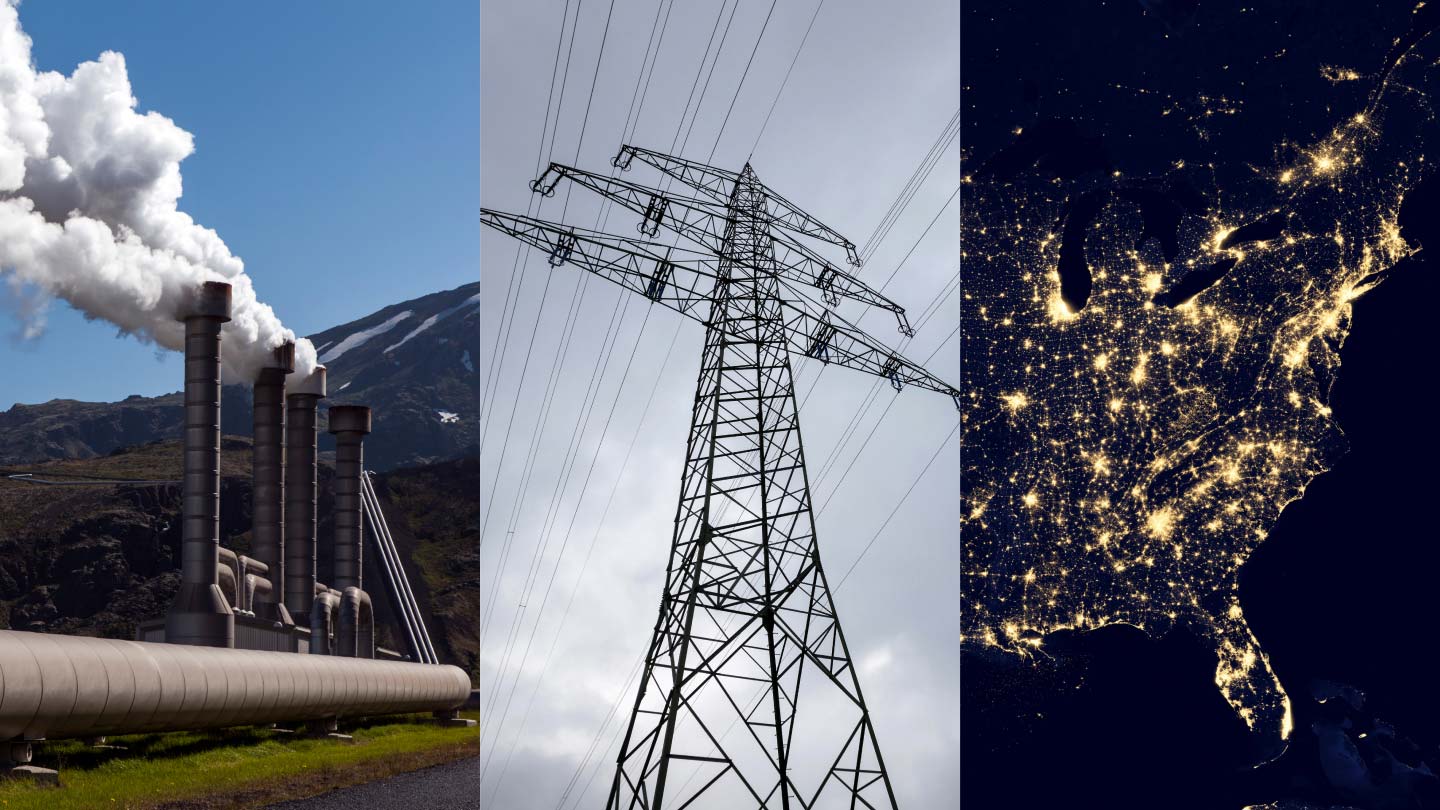
The rapid growth of data centers, digital infrastructure and electrification is creating unprecedented demand for reliable power across the U.S. Meeting this need will require significant innovation in baseload energy technologies.
“Advancements in geothermal and nuclear energy will be essential to unlocking new forms of a sustainable and reliable energy supply, ensuring that our progress is both scalable and resilient.”

Robert Keepers
Head of Climate Tech
There is growing consensus around the long-term value of nuclear power. “J.P. Morgan has been active in equity raises for small modular reactors,” said Fuat Savas, Co-Head of Infrastructure Finance and Advisory at J.P. Morgan. “We expect a continuation of that trend, as well as emerging funding mechanisms for large-scale nuclear deployment.”
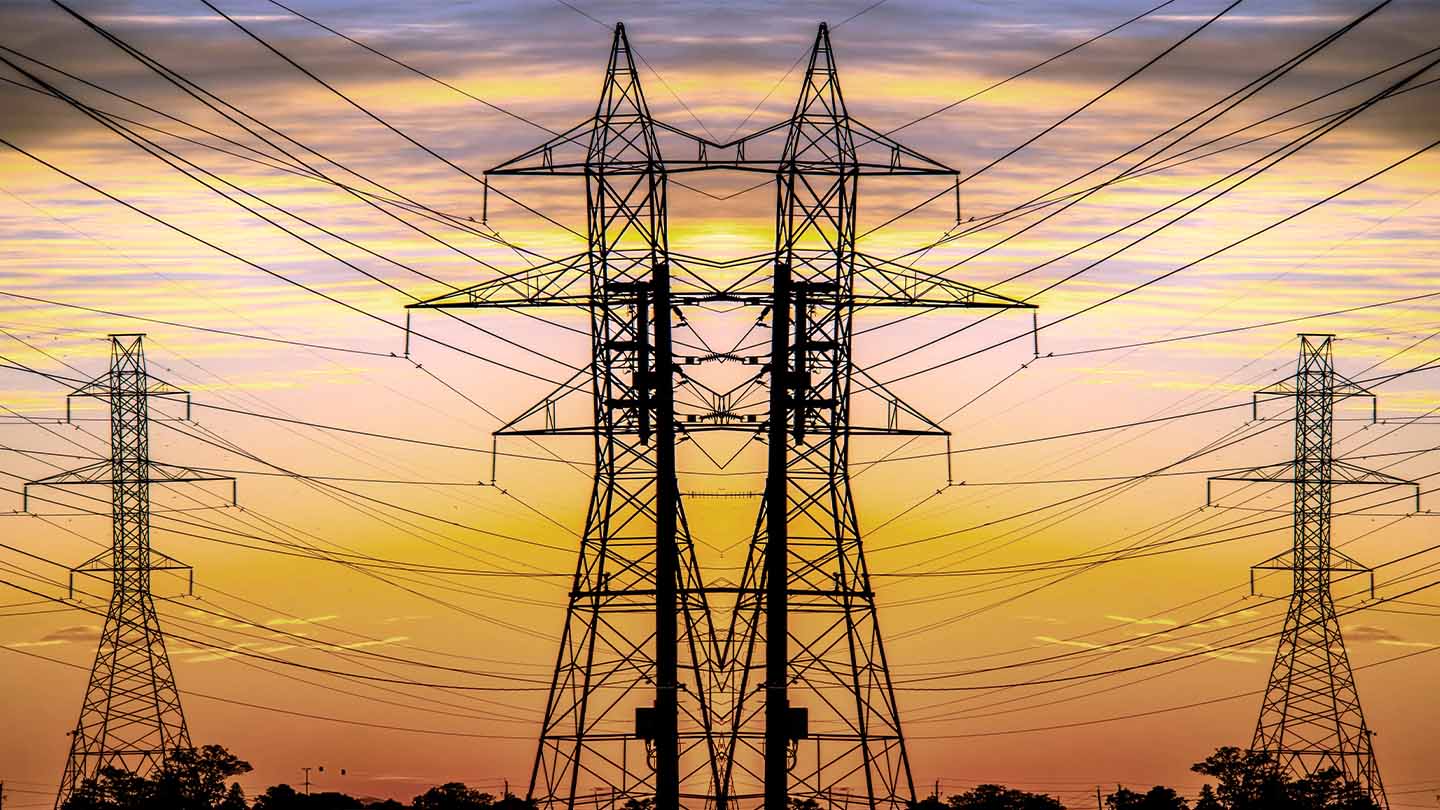
The grid itself is also evolving. “Innovations in energy storage, smart grid systems and advanced transmission solutions are transforming grid resilience, making it more stable, affordable and efficient,” Keepers said.
In Europe, energy transition is a critical topic for investors, companies and policymakers. “We are seeing significant traction across electrification of heat and transport. Decarbonization of large industrial emitters is also gaining momentum,” said Hannes Kofler, Head of EMEA Energy at J.P. Morgan.
Evolving policy, markets and financial structures
Despite ongoing policy challenges, the market is finding its footing. “Policy headwinds will persist but become more predictable, which allows developers and investors to focus more on execution and accelerating project development and construction,” said Rubiao Song, Head of Energy Investments at J.P. Morgan.
Financial innovation is also accelerating. The tax credit transfer market is maturing, with increased corporate participation and new financing models. “Near-term tax equity appetite will be impacted by the One Big Beautiful Bill Act, and tax equity investors will favor production tax credit (PTC) projects over investment tax credit (ITC) projects,” Song said.
Regulatory reporting is another focus area. “As more jurisdictions require companies to disclose sustainability information—either as stand-alone sustainability reports or within annual financial reports—there is growing momentum to align reporting standards globally,” said Amy Lyn, CFO of Operational Sustainability at J.P. Morgan. “This alignment makes it easier for companies to comply and for stakeholders to compare data across countries and organizations.”
Critical minerals, battery technologies and supply chain dynamics
Battery technologies remain essential for rail, shipping, trucks, drones, data centers and utilities—even as electric vehicle (EV) demand shifts in response to U.S. policy changes that eliminated EV tax credits and funding incentives from the Inflation Reduction Act. Local pollution regulations are accelerating the electrification of yards and ports, while global events highlight the need for resilient, efficient battery-powered solutions.
“As energy needs continue to grow, a key challenge for manufacturers and supply chains in the U.S., Korea, Japan and the EU is scaling production to meet demand while navigating evolving national security and export controls.”

Dr. Sarah Kapnick
Global head of Climate Advisory, J.P. Morgan
Manufacturing supply chains for critical minerals, panels and batteries are increasingly returning to the U.S. “Manufacturing is one of the frontiers of project finance, and we’re here to help this sector scale,” Savas said.
At the same time, proposed changes to the Greenhouse Gas Protocol, including stricter Scope 2 rules, and rising AI-driven electricity demand are reshaping emissions reporting and renewable procurement. “These developments are prompting organizations to reassess their sustainability strategies, invest in more robust data management and seek innovative solutions to meet evolving regulatory requirements and stakeholder expectations,” said Taylor Wright, Head of Operational Sustainability at J.P. Morgan.
Employee spotlight
Meet Robert Keepers, Head of Climate Tech at J.P. Morgan. Keepers brings two decades of finance and banking experience, along with deep expertise in the energy industry, to his role.
Name: Robert Keepers
Title: Head of Climate Tech
Location: Denver
Years of experience: 20
Client highlights
Discover how our clients are building the infrastructure and technology needed for a low-carbon future.
VoltaGrid
By delivering advanced natural gas and flexible microgrid solutions, VoltaGrid helps meet rising energy demands with greater reliability and lower emissions. To power its expansion, VoltaGrid recently raised $5 billion to help roll out more than 4 gigawatts of new power projects by 2028. J.P. Morgan played a pivotal role in this financing package, which included $2 billion in senior secured notes and a $3 billion asset-based loan (ABL) facility. Learn more about VoltaGrid.
Li Industries
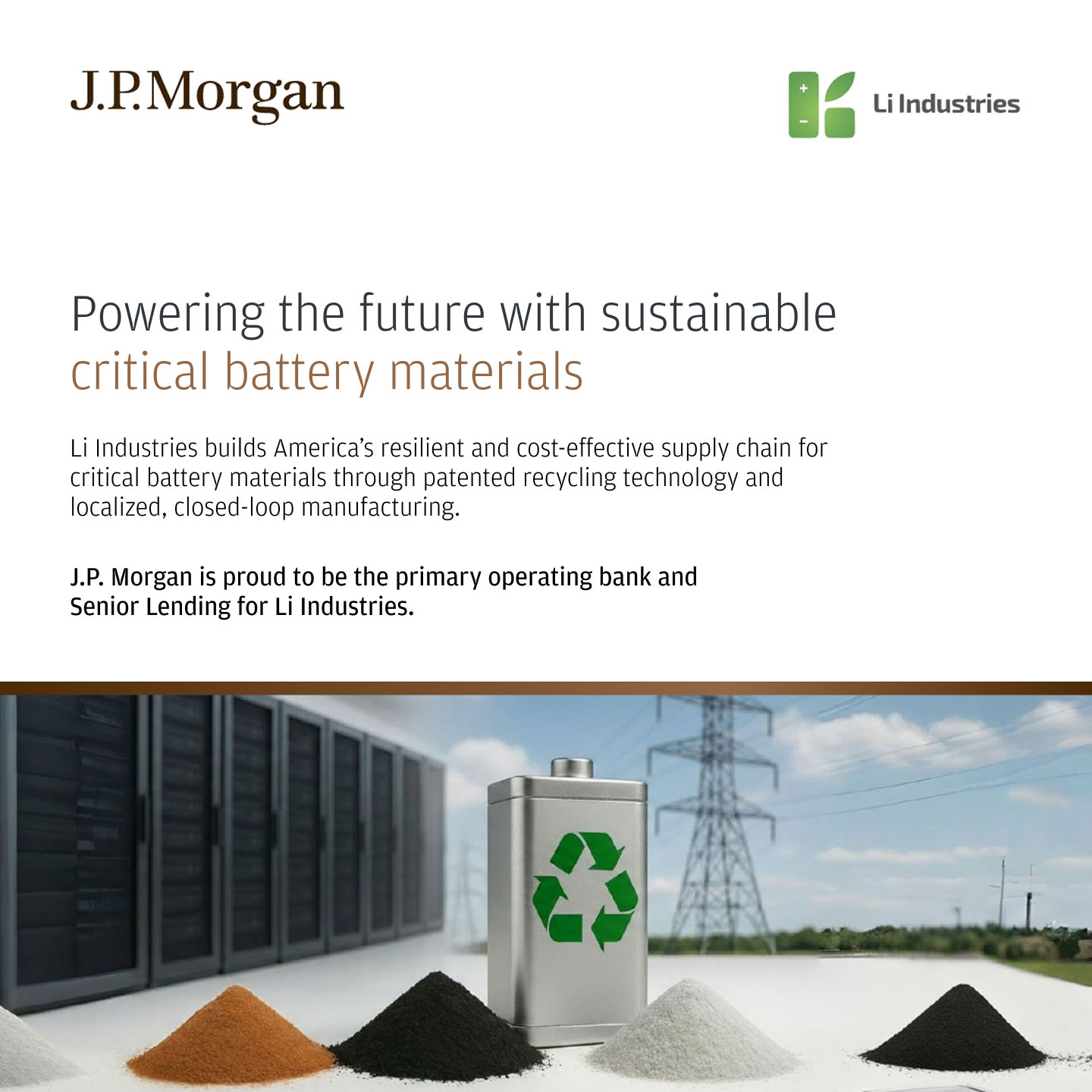
Powering the future with sustainable critical battery materials.
Li Industries builds America’s resilient and cost-effective supply chain for critical battery materials through patented recycling technology and localized, closed-loop manufacturing.
J.P. Morgan is proud to be the primary operating bank and senior lender for Li Industries.
J.P. Morgan is pleased to support Li Industries as it builds a sustainable domestic supply chain for critical battery materials.
Copper
Clean energy company Copper recently won a contract with the New York Power Authority, the New York State Energy Research and Development Authority, and the New York City Housing Authority as part of a $32 million investment to develop, pilot and produce 10,000 new battery-equipped induction stoves for use in New York City public housing facilities.
Insights
Stay informed with additional reports and analysis on climate, sustainability and business from J.P. Morgan.
Research and reports
- Climate Intuition Series: Food security: The fates of farming and food in a warming world
- H2 2025 Innovation Economy Update
- 2026 Business Leaders Outlook
Industry news
- Grid modernization: Navigating the energy transition
- 2026 Outlook: Top 10 macro and market considerations
- JPMorganChase names Todd Combs to head Strategic Investment Group of Security and Resiliency Initiative
- JPMorganChase Security and Resiliency Initiative
Business planning
JPMorgan Chase Bank, N.A. Member FDIC. Visit jpmorgan.com/commercial-banking/legal-disclaimer for disclosures and disclaimers related to this content.