As global electricity demand surges, the U.S. grid faces historic stress. Extreme weather, aging infrastructure, the growing popularity of electric vehicles, and the rapid rise of energy-intensive AI technology and data centers are converging to test it. At the same time, the adoption of smart grids and advanced grid tech is becoming increasingly vital, as grid performance remains essential for energy security, economic competitiveness and the low-carbon transition.
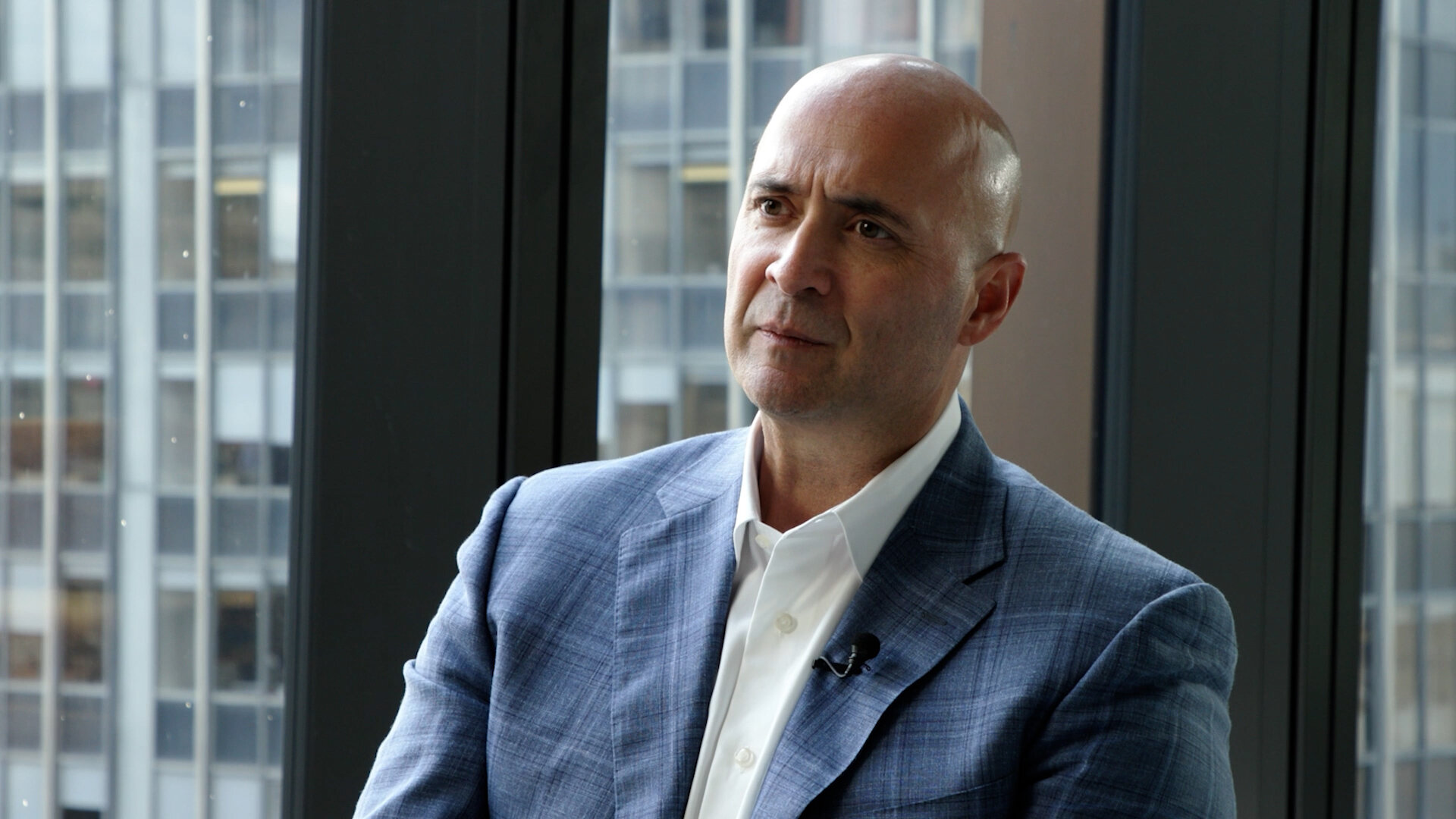
In this update from the Green Economy Banking team, Julia Grinshpun, Managing Director, Climate Tech at J.P. Morgan, shares insights into the grid modernization challenges and opportunities ahead.
Also, meet Jackson Morrow, VP, Climate Tech, who explains his work in food and agriculture. Finally, learn how companies across the green economy are growing their businesses through innovation and strategic investments.
The current grid modernization landscape
Grid modernization is not a one-size-fits-all process. The U.S. grid includes nearly 3,000 utilities—from investor-owned to municipal—each facing unique challenges and regulations. Some utilities are deploying new technologies to monitor for risks like wildfires and other natural disasters. Others are piloting virtual power plants that tap into distributed assets like home and vehicle batteries to meet peak demand without new infrastructure.
Advancements in dynamic line rating, grid-scale energy storage and optimization software are helping utilities maximize existing infrastructure capacity.
“Our focus is helping clients advance technologies and scale them while focusing on investment—ultimately bringing new innovation to the grid.”

Julia Grinshpun
Managing Director, Climate Tech
Overcoming challenges facing businesses
Amid rising load growth and accelerating electrification, businesses are challenged to secure affordable power and obtain the speed to energization required to meet their operational needs. The pace of technological change often outstrips the speed at which utilities and regulators can adapt. Affordability and reliability remain top priorities, but new demands—such as integrating renewables and managing AI-driven load growth—require broader interdisciplinary collaboration across utilities, technology providers, and commercial and industrial clients.
Supply chain bottlenecks, especially for transformers and other grid equipment, have slowed the deployment of renewable projects. Tariffs and input costs for materials like steel and copper add further complexity, prompting companies to rethink sourcing strategies and de-risk supply chains by building or sourcing domestically.
Rate design innovation is also a pressing issue, particularly as data centers proliferate. Utilities must balance the need to bring new loads online with equitable rate distribution, often on a region-by-region and utility-by-utility basis. The mismatch between utility planning cycles and the rapid growth of electrification and data centers creates tension and delays in meeting new power needs.
“While it’s very important to build new projects and deploy new technologies, it’s even more important to optimize the existing grid and develop the technologies that are supporting doing more with less.”
—Julia Grinshpun, Managing Director, Climate Tech
How businesses are responding
To navigate these challenges, businesses are adopting a range of strategies and technologies. Many are investing in advanced transmission technologies to maximize existing infrastructure, such as dynamic line rating and advanced conductors. Companies are deploying grid-scale energy storage at various points in the grid to bolster resilience and manage extreme weather events.
Software solutions are also emerging to optimize distributed assets and transmission, while behind-the-meter energy storage, solid-state transformers and microgrid technologies are providing interim solutions for data centers and commercial fleet electrification. These innovations help businesses meet power needs locally when utility interconnections are delayed.
Utilities themselves are experimenting with flexible demand models, seeking efficiencies in how existing infrastructure serves customers. Some are exploring whether all customers require maximum uptime or if flexible load management can help meet growing demand.
J.P. Morgan’s Climate Tech team actively advises clients on accessing capital and scaling new technologies. We connect early-stage companies with capital and funding, provide lending solutions, and serve as an ecosystem builder and connector—facilitating the relationships and partnerships that help advance their growth and impact.
Where grid modernization is headed
The future of the grid will be shaped by the ability to manage competing priorities: affordability, reliability and the integration of new technologies. The cost of distribution and transmission—rather than generation—accounts for much of the recent increases in electricity costs, raising questions about who will bear the financial burden of modernization.
Companies that efficiently solve power challenges and alleviate interconnection bottlenecks will be key to a capital-efficient, equitable energy transition. In the commercial segment, new applications are emerging to support data center and fleet electrification, enabling more efficient energy use, load management and resilient on-site power operations.
The winners will be those that can move beyond pilot projects to deploy scalable solutions that factor in tariffs, supply chain dynamics and cost management. The goal is to preserve the core priorities of utilities—affordability and reliability—while enabling the grid to support a cleaner, more resilient and secure energy system.
“It’s an interesting moment in time. Our focus is advising clients on how to access capital and lean into technological transformation during this historic transition,” Grinshpun said.
Employee spotlight
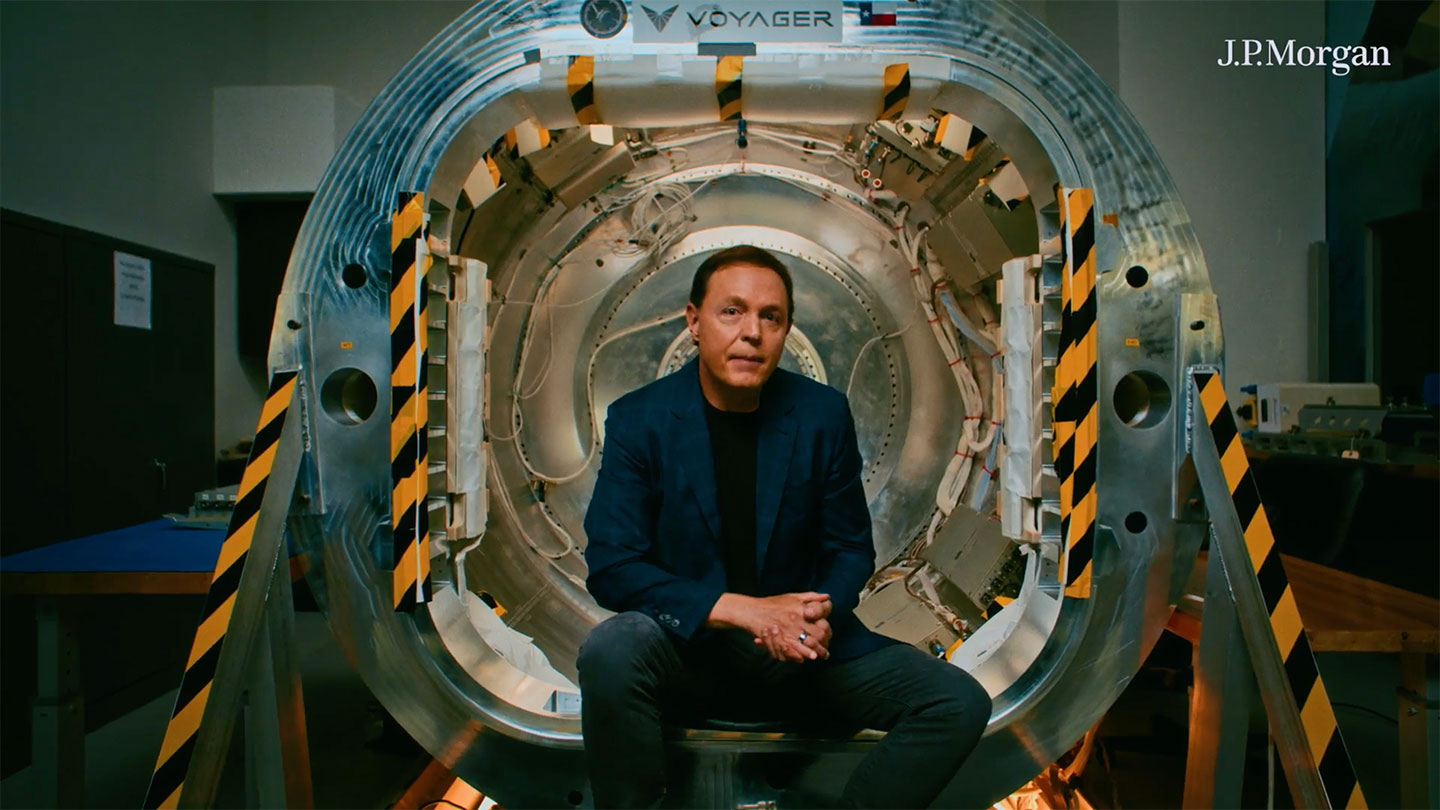
Meet Jackson Morrow, a VP in Climate Tech at J.P. Morgan. Drawing on nearly a decade of experience in the sustainability ecosystem, Morrow shares his approach to supporting clients.
Name: Jackson Morrow
Title: VP, Climate Tech
Location: San Francisco
Years of experience: 9
Client highlights
J.P. Morgan clients showcase innovation across the green economy.

Chestnut Carbon
Chestnut Carbon supports long-term U.S. forest restoration and conservation through stewardship for profit. In a landmark transaction for the voluntary carbon market, J.P. Morgan led a $210 million credit facility for the company, which generates forest carbon removal credits.
Mati Carbon

The image is a promotional visual featuring the logos of J.P. Morgan and Mati at the top, signifying a partnership between the two organizations. The central message, written in large, clear font, reads: “Scaling carbon removal and boosting income and resilience.” This highlights the dual focus of the initiative—addressing climate change through carbon removal while also supporting economic growth and stability.
Beneath the main message, a bold statement declares: “J.P. Morgan is proud to provide Mati Carbon with financing they need to grow.” This line emphasizes J.P. Morgan’s role in supporting Mati Carbon’s mission by providing essential financial resources.
J.P. Morgan is pleased to support Mati Carbon’s next phase of growth as it works to bring Enhanced Rock Weathering to smallholder farmer communities around the world. This work is actively helping to decarbonize the planet, grow local economies, and build a more sustainable and resilient future.
Sustainable Foods Showcase
During Climate Week NYC in September, the Green Economy Banking team co-hosted the second-annual Sustainable Foods Showcase. The event brought together innovative business leaders and thought leaders in the sustainable food and agriculture space to showcase products and network.
Insights
Deepen your understanding of today’s climate, sustainability and business landscapes with additional resources from across JPMorganChase.
Reports and research
- JPMorganChase 2024 Sustainability Report
- H2 2025 Startup Insights Report
- Climate Intuition: Power rewired: The new map of energy and geopolitics
- Navigating the future: How AI, energy and healthcare will impact the corporate landscape
- M&A trends and opportunities: A global perspective
- Resilience: Where climate change and national security meet
Industry news
- TIME100 Climate 2025: Sarah Kapnick
- JPMorganChase launches $1.5 trillion Security and Resiliency Initiative to boost critical industries
- Tech Stars 2025: How the industry’s leading minds are shaping the future of tech
- AI, policy and the future of US power trading
- Powering Romania’s nuclear energy ambitions
Business planning and investment
Learn more
Contact the Green Economy Banking team to learn how we can help your company achieve its goals.
JPMorgan Chase Bank, N.A. Member FDIC. Visit jpmorgan.com/commercial-banking/legal-disclaimer for disclosures and disclaimers related to this content.
Learn more
Hide
Learn more
Hide