2 min read
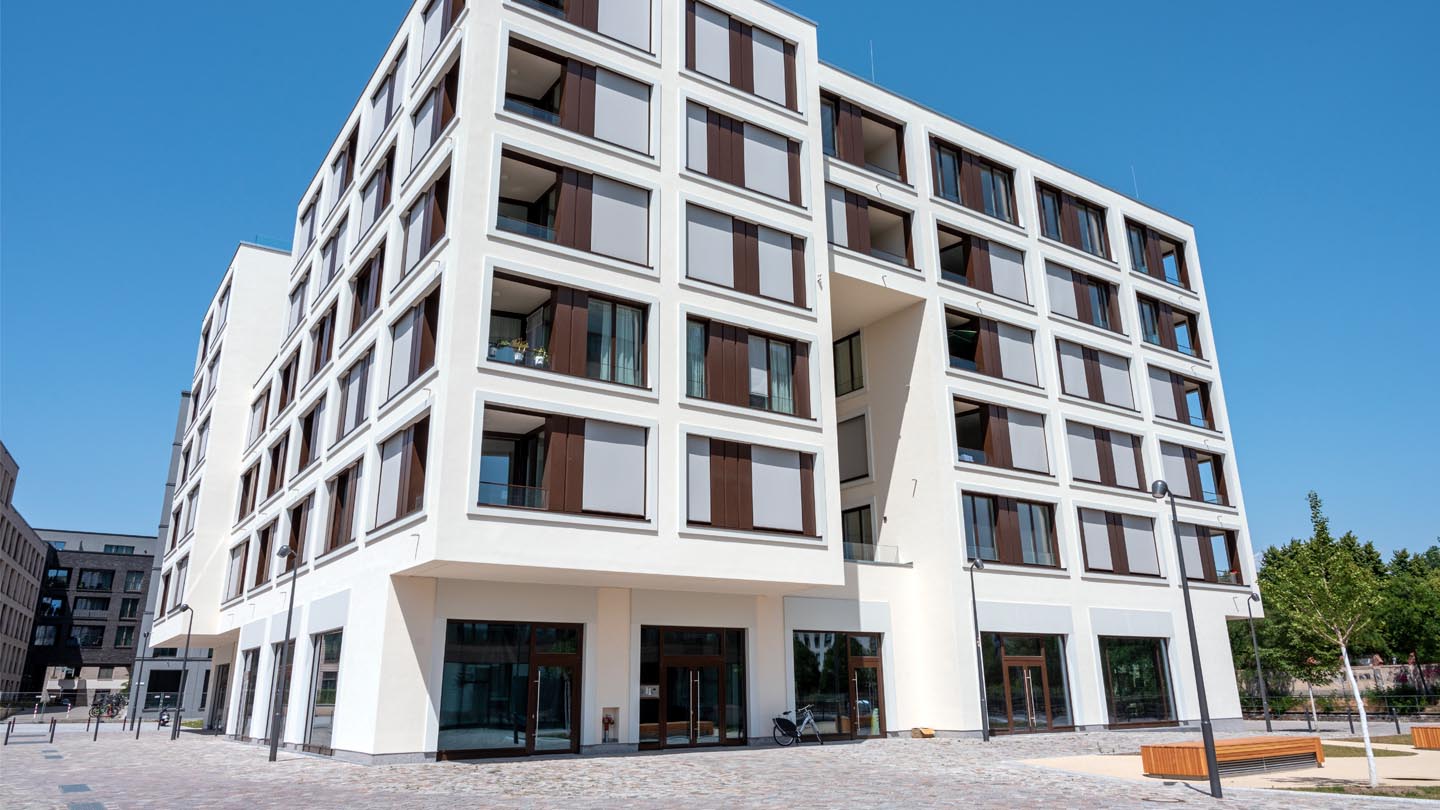
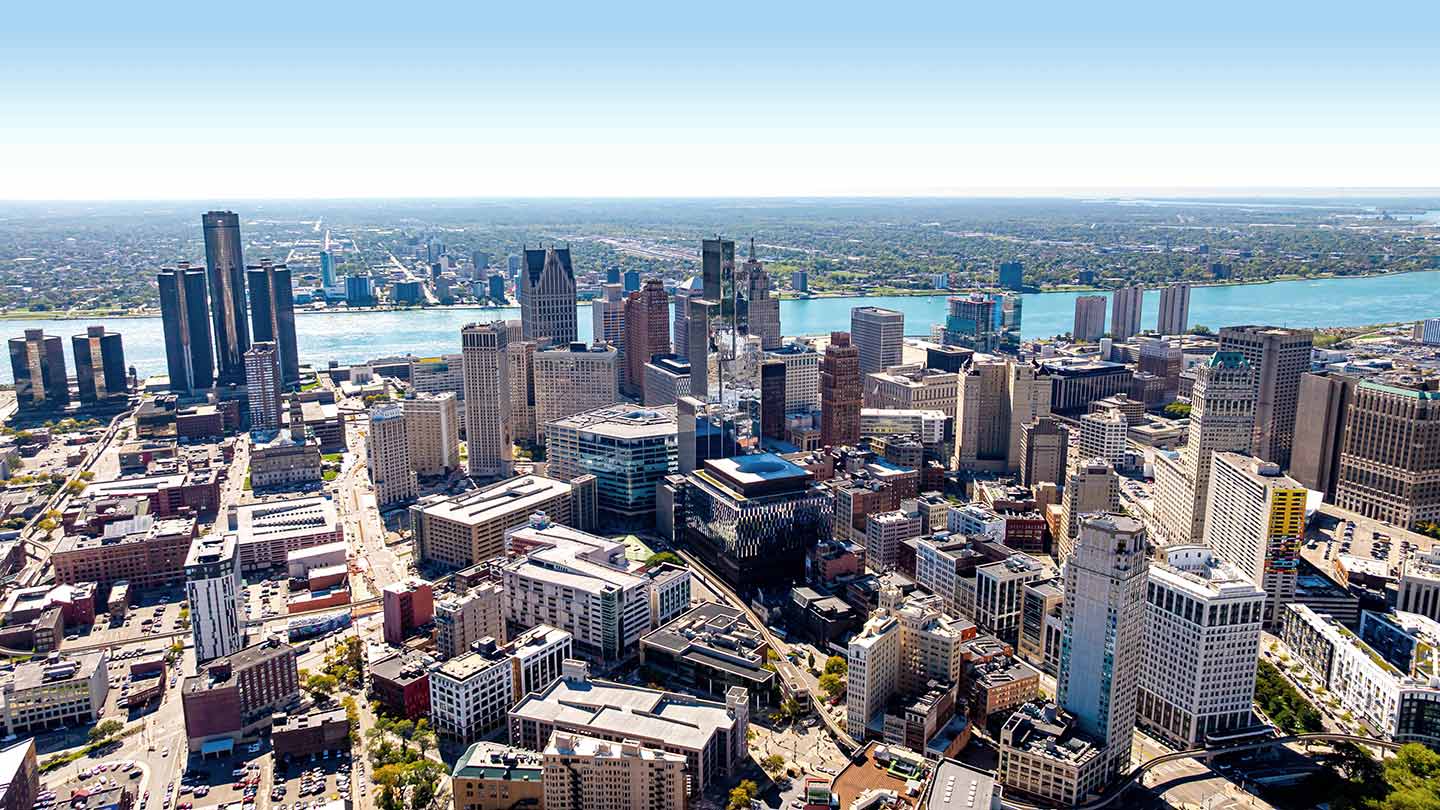
Multifamily construction hit record highs in recent years, leading to oversupply in many markets—including Denver. Vacancies have steadily climbed since the pandemic, reaching 9.09% in Q2 2026, according to Moody’s data. Rent was down 3.50% year over year in the same time period.
Much of the new product concentrated in Class A, which saw a 9.75% vacancy rate in Q2, compared to 7.92% for affordable and workforce housing. These shifts suggest a period of recalibration as the market absorbs the new inventory.
Despite recent challenges, there are compelling reasons for optimism in the Denver multifamily market.
Supply pressure could continue to ease as the construction boom ends, supporting normalization.
Plus, Denver’s west side remains resilient, and more affordable and workforce housing could be in the pipeline thanks to office-to-apartment conversions.
“It will likely take the rest of the year for the market to absorb the increased inventory. We’re beginning to see leasing pick up, rent stabilize and investors looking to acquire again—all positive signs.”

Alex Ducas
Executive Director Client Manager - CTL
Interest rates remain elevated
J.P. Morgan Global Research sees the Fed remaining on hold for the rest of the year, as of July. Meanwhile, markets are increasingly pricing in an interest rate hike in 2026.
Investors seeking apartment loans may want to consider options that would give them more flexibility to refinance if interest rates decline.
Rising costs, new regulations
Fueled by inflation, commercial real estate operating expenses are rising across several key categories, including repairs and maintenance and property management costs. Additionally, insurance premiums are rising due to risks from wind, hail and wildfires.
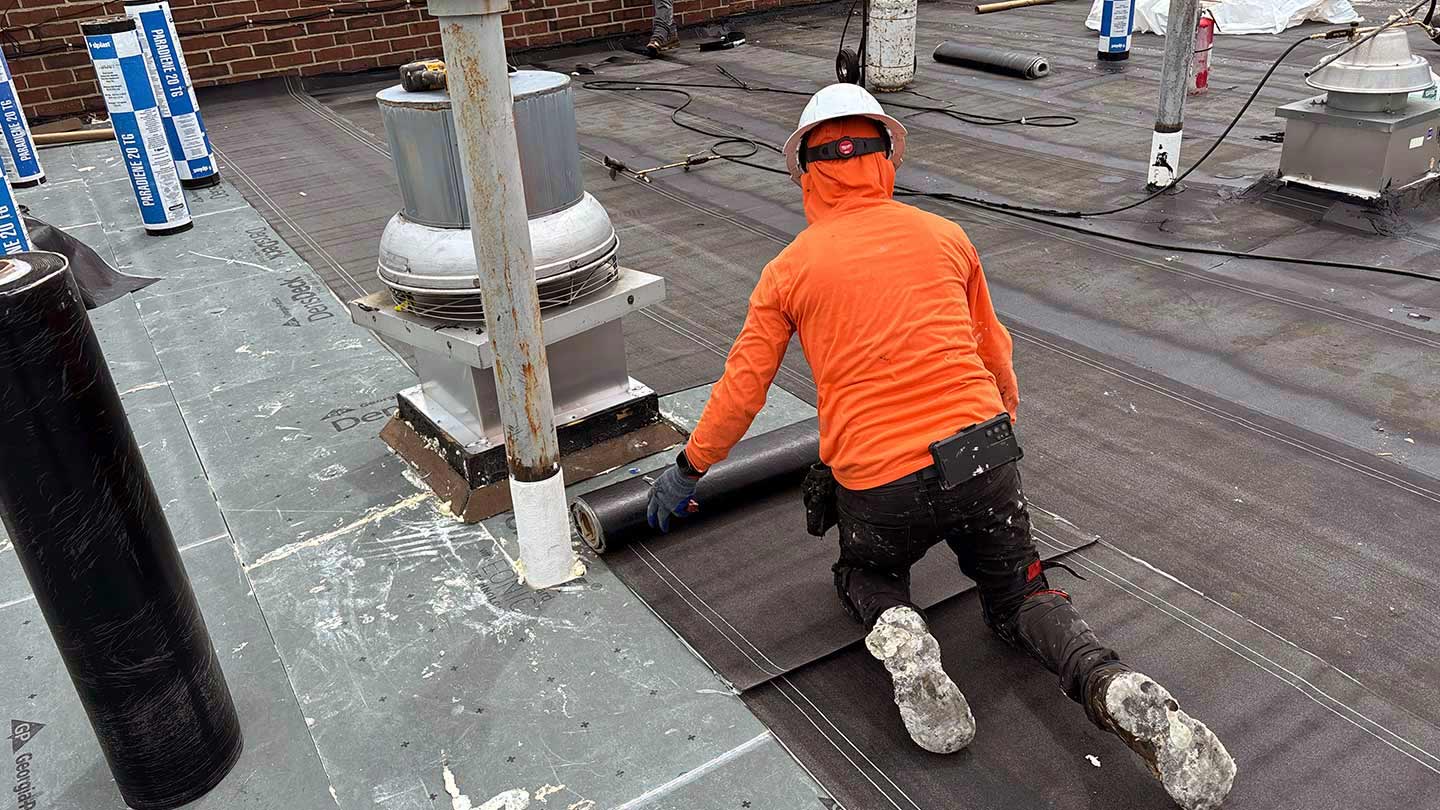
Investors should focus on expenses within their control. For example, regular maintenance, technology investments and retrofitting properties to protect them from natural disasters can help decrease operating costs.
While the upfront costs of compliance can be steep, reducing energy usage and increasing properties’ climate resiliency can often lower them in the long run and help owners and operators stay ahead of regulations.
The Energize Denver initiative is a prime example of legislation that aims to enhance building sustainability. The initiative requires multifamily property owners and operators to measure, report and improve their buildings’ energy performance via annual benchmarking and energy-efficiency or renewable-energy upgrades. Larger multifamily buildings must meet building‑specific energy-use targets, while smaller multifamily properties must take at least one energy reduction measure, such as installing LED lighting.
Whether you’re ready for financing or looking to streamline your operations, reach out to our Denver lending, payments and liquidity team.
JPMorgan Chase Bank, N.A. Member FDIC. Visit jpmorgan.com/commercial-banking/legal-disclaimer for disclosures and disclaimers related to this content.