Why resilience is now the defining measure of energy security
Energy security is no longer measured by supply alone. Instead, it is increasingly measured by resilience: the ability to keep energy flowing when systems come under stress from conflict, climate change and other disruptions. The ongoing tensions in the Middle East have underscored that countries with strategic reserves, alternative transit routes, diversified suppliers and flexible power systems can absorb energy shocks far better than those without.
However, resilience isn’t only about managing immediate impacts — recalibrating for the next challenge is equally critical. This report examines how geopolitical risk is changing where energy is produced and shipped, and what investments are needed now to build more durable energy systems in the 2030s and beyond. Who stands to win in the new race to resilience?
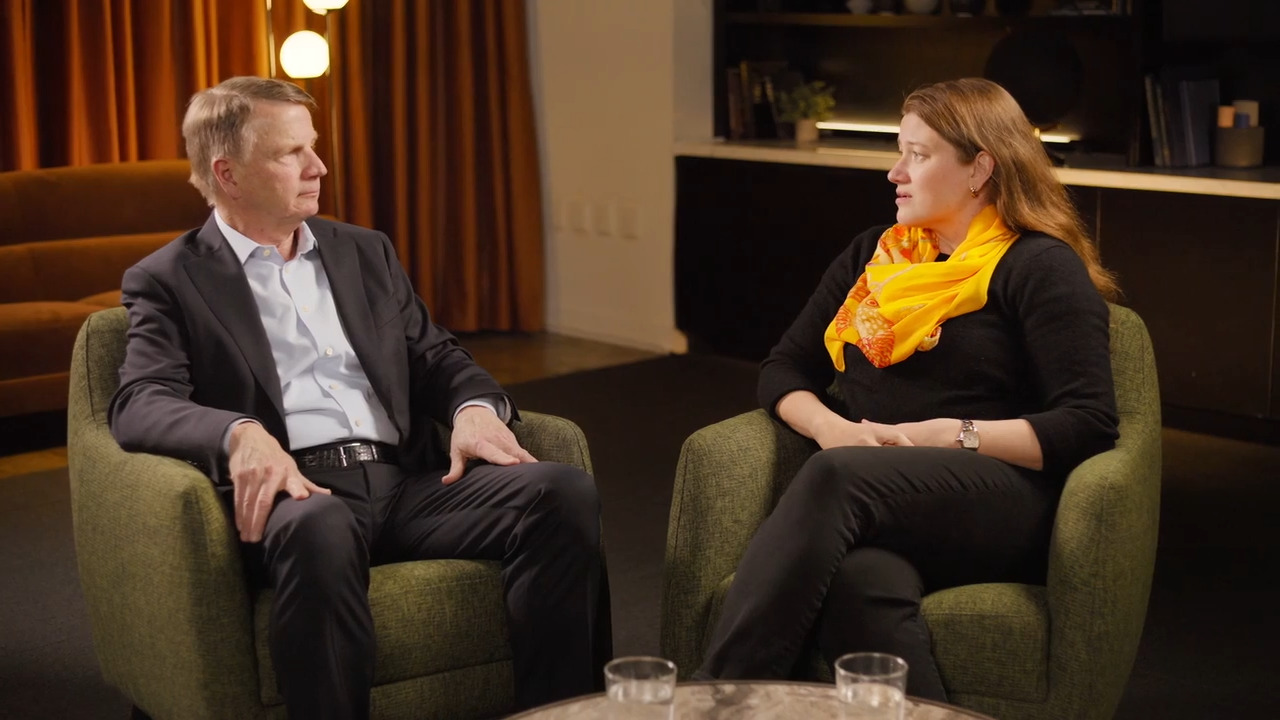
“Energy security now depends on doing several things at once, rather than finding a single silver bullet. That is why the competitive frame is changing.”

Dr. Sarah Kapnick
Global head of Climate Advisory, J.P. Morgan
About Dr. Sarah Kapnick
Dr. Sarah B. Kapnick is the global head of Climate Advisory at J.P. Morgan. In this role, she advises the bank’s clients on climate, energy, biodiversity and sustainability topics. Responsible for overseeing the firm’s climate thought leadership strategy, Dr. Kapnick leverages extensive technical and scientific expertise to drive content strategy and advise clients at the intersection of finance, climate science, commerce and national security. She has received several recognitions for her work at J.P. Morgan and “Climate Intuition” series, including being named to the 2025 TIME100 Climate and Bloomberg Green “Ones to Watch” lists.
She was previously with the bank’s Asset and Wealth Management division as senior climate scientist and sustainability strategist.
Prior to her current role, Dr. Kapnick was chief scientist at the National Oceanic and Atmospheric Administration (NOAA), responsible for guiding the programmatic focus of NOAA’s science and technology priorities. She spent a decade at NOAA’s Geophysical Fluid Dynamics Laboratory (GFDL) leading research on seasonal climate prediction, mountain snowpack, extreme storms, water security, climate economics and climate impacts.
Dr. Kapnick earned a PhD in atmospheric and oceanic sciences with a certificate in Leaders in Sustainability from the University of California, Los Angeles (UCLA), and an AB in mathematics with a certificate in finance from Princeton University. She is also a Distinguished Fellow at Columbia University’s Climate School.
“In a world where volatility is structural, the winners will not simply be those with the most barrels in the ground. They will be those with the most ways to keep the lights on when the ground shifts.”

Derek Chollet
Head of the JPMorganChase Center for Geopolitics
About Derek Chollet
Derek Chollet leads the JPMorganChase Center for Geopolitics. Over the course of three decades, he has become one of Washington’s leading foreign policy practitioners and thinkers, having served in key positions in the Pentagon, State Department, White House, Congress and several leading research institutions. He has been a top advisor to multiple U.S. Secretaries of State and Defense, most recently serving as the chief of staff to the Secretary of Defense and as the Counselor of the U.S. Department of State. In these roles, he played a central part in shaping U.S. policy toward the Middle East and Ukraine, and trouble-shooting crises from Burma to the Balkans. He previously served as Assistant Secretary of Defense for International Security Affairs and as Senior Director for Strategic Planning at the National Security Council.
Chollet is the also the author, coauthor or coeditor of eight books on U.S. foreign policy. He is currently a Carnegie Distinguished Fellow at Columbia University’s Institute of Global Politics.
Subscribe to the “Climate Intuition” series for the latest insights on how climate change impacts strategic decision-making.