2 min read
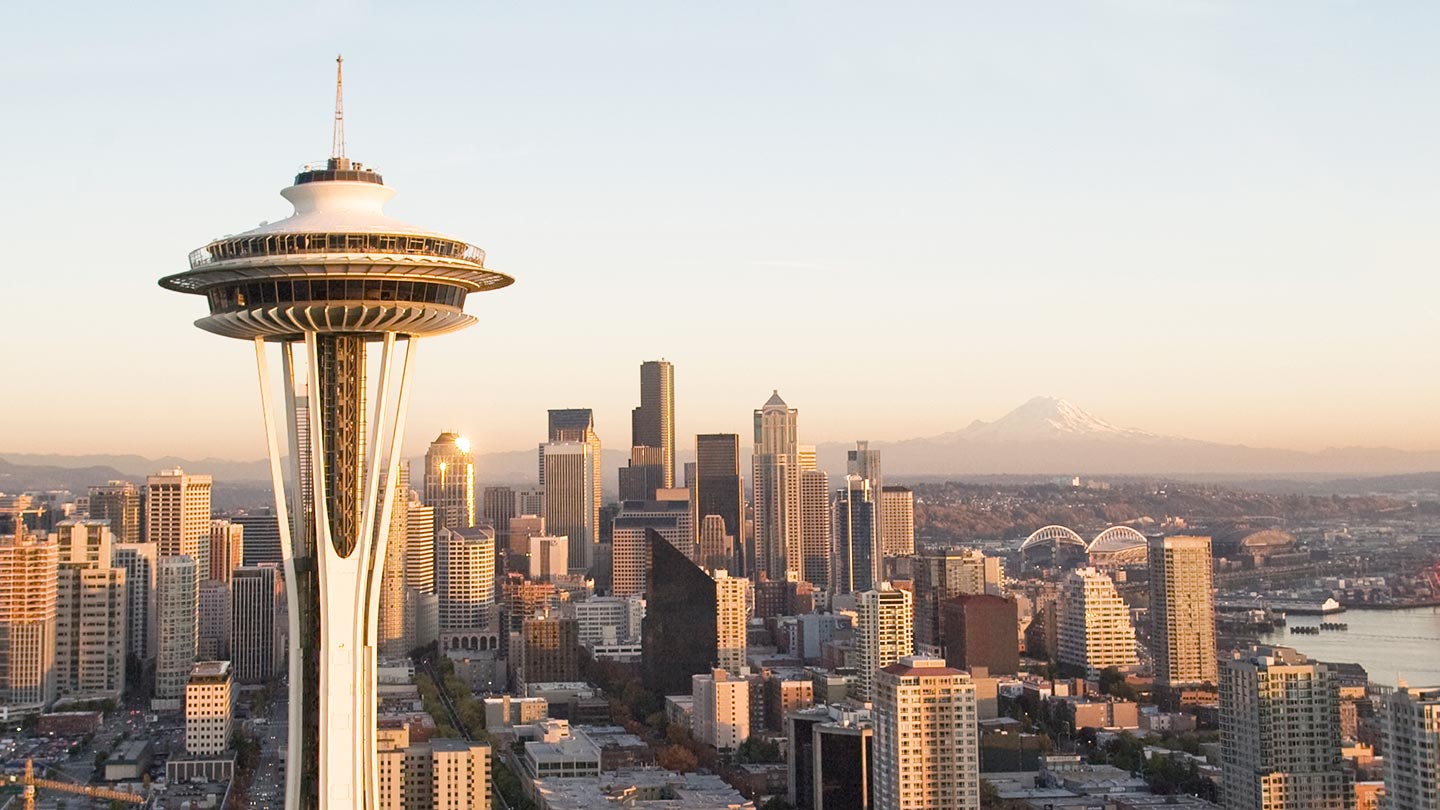
While Seattle multifamily is contending with rent legislation challenges and increased expenses, fundamentals are starting to stabilize. The market’s strengths remain a source of optimism, especially for long-term investors.
“Limited new apartment inventory in the coming years and continued healthy population growth in the region are positives for the market,” said Mike Githens, Client Manager at Chase.
The multifamily vacancy rate stayed flat at 7.3% through the first half of the year, according to Moody’s data. Q2 asking and effective rent were up 1.6% and 1.8% respectively from Q1.
However, Seattle multifamily faces several challenges, including:
Increased expenses
With inflation on the rise, so are material, labor and maintenance costs. In Seattle, multifamily insurance has increased significantly. In the Seattle-Everett metro area, insurance costs per unit jumped to $988 in 2024—a 93% increase from 2021, and the most dramatic shift among areas tracked by the National Apartment Association.
93%
Increase in Seattle multifamily insurance costs from 2021 to 2024
“There’s a scramble to find the proper insurance coverage, while keeping expenses down,” Githens said.
Investors have several options for reducing insurance costs, including staying up to date on maintenance and retrofitting properties to protect them from natural disasters.
They can also monitor other expenses within their control. For instance, technology investments can help enhance efficiency and decrease operating costs.
Rent legislation
Rent legislation enacted in May 2025 prohibits multifamily operators from increasing rent by more than 10% each year. “We're seeing a lot of expenses increase at significantly higher rates than the rental increases,” Githens said.
Multifamily property taxes are a prime example. “When you have regulations in rent and not in the property tax, it's a challenging puzzle,” he said.
Operators are adjusting lease terms to combat the issue. “Most multifamily operators aren’t applying the 10% maximum, but many include rent increases in initial leases—so tenants know upfront that rent will rise in 12 months,” Githens said.
Strong outlook for employment, population growth
Despite headwinds, there’s cause for optimism. The Seattle region’s economy is robust, anchored by major employers including Amazon and Microsoft. That can help keep the multifamily market relatively stable, even amid economic downturns, Githens said.
It also attracts residents. Seattle gained 11,572 residents between July 1, 2024, and July 1, 2025, according to the Census Bureau. The increase ranked fifth nationally among cities with populations of 20,000 or more.
Whether you’re ready for financing or looking to streamline operations, reach out to our Seattle lending, payments and liquidity team.
JPMorgan Chase Bank, N.A. Member FDIC. Visit jpmorgan.com/commercial-banking/legal-disclaimer for disclosures and disclaimers related to this content.