For Companies and Institutions
-
Commercial Banking
We provide tailored credit, financing, treasury and payment solutions for businesses of all sizes and commercial real estate. Backed by the strength and stability of J.P. Morgan, our dedicated experts deliver industry-specific guidance and services, empowering you to manage cash flow, seize growth opportunities and achieve your strategic goals. -
Global Corporate Banking
We help clients achieve their long-term strategic goals through financing, liquidity, payments, risk management and investment banking solutions. -
Investment Banking
Providing investment banking solutions, including M&A, capital raising and risk management, for a broad range of corporations, institutions and governments. -
Payments
Your partner for commerce, receivables, cross-currency, working capital, blockchain, liquidity and more.
Key Links
For Institutional Investors
-
Asset Management
Putting our long-tenured investment teams on the line to earn the trust of institutional investors.
-
Markets
Direct access to market leading liquidity harnessed through world-class research, tools, data, and analytics.
-
Securities Services
Helping institutional investors, traditional and alternative asset and fund managers, broker dealers and equity issuers meet the demands of a rapidly evolving market.
-
Global Research
Leveraging cutting-edge technology and innovative tools to bring clients industry-leading analysis and investment advice.
-
Prime Services
Helping hedge funds, asset managers and institutional investors meet the demands of a rapidly evolving market.
-
Global Liquidity Solutions
Global short-term fixed income strategies designed to help clients manage liquidity through the cycle.
Key Links
For Individuals
-
Wealth Management
With J.P. Morgan Wealth Management, you can invest on your own or work with an advisor to design a personalized investment strategy. We have opportunities for every investor.
-
Private Bank
A uniquely elevated private banking experience shaped around you.
-
Personal Investing (UK only)
Invest with J.P. Morgan Personal Investing, a platform for UK-based clients with the human expertise, intuitive app and tools to help you work towards your long-term goals.
For Employers
-
Workplace Solutions
Enhance your equity compensation offering with solutions designed to empower your employees and bring your reward strategy to life.
Key Links
Who We Serve
Key Links
All Insights
Explore a variety of insights.
Key Links
Insights by Topic
Explore a variety of insights organized by different topics.
Key Links
Insights by Type
Explore a variety of insights organized by different types of content and media.
Key Links
About Us
We aim to be the most respected financial services firm in the world, serving corporations and individuals in more than 100 countries.
Key Links
Brent Ballard:
Hi, I'm Brent Ballard, Managing Director in the Mergers & Acquisitions team here at J.P. Morgan. Today we're here to talk about the Warner Bros. Discovery sale to Paramount Skydance. And joining me for that is Fred Turpin. He's the Global Chairman of Investment Banking, and has really led the coverage for Warner Bros. Discovery over the past many years. So Fred, thanks for joining us. Maybe just to start, people are familiar with the drama of this situation over the past 12 weeks or so, but what people may not realize is that this has been going on for much longer than that. Can you talk about where did this really first start for you?
Fred Turpin:
Yeah, it's interesting because everybody focuses on the fact that this was the highest profile corporate takeover battle in history. And everybody likes a horse race, and who's going to win and how much are they going to pay, but we started working on this two and a half years ago when the company's stock price was in the mid-single digits. And as you know, our team worked tirelessly for six months trying to figure out a way to create a separation of the studio streaming and content business that would work under the company's $36 billion balance sheet. And we finally actually landed on a solution, and we did the most successful liability management transaction of all time. And J.P. Morgan made a $17 billion bridge to affect the separation. And we thought that was an amazing win for the company. The stock price traded up, and they were going to be able to do this clean separation. But then, you know, September came around and we got an unsolicited proposal from Paramount and then a series of unsolicited proposals. And, you know, the decision was made, actually on our recommendation, that we could reverse the steps on the spinoff. And instead of spinning off the studio streaming and content business, allowed the company to go explore, more broadly, all of its strategic alternatives as opposed to just a sale of the whole company to Paramount. You know, which obviously resulted in Netflix coming to the table and actually being the winner in the original announced deal to sell just the studio streaming and content business to Netflix and to continue to separate Discovery Global to the shareholders.
Brent Ballard:
Despite the fact that we'd set up the structure that allowed many different types of buyers to credibly participate in the process, we still got a bunch of different bids with completely different structures that were not so easy to compare. So talk us through: How did we get the board comfortable with being able to put those options side by side and ultimately make the right decision?
Fred Turpin:
As you suggested, the three serious proposals that we received at the end of the first phase of the process were very different deals. You know, one was effectively a cash purchase of the whole company, one was effectively a cash purchase of just the studio and streaming business, and one was effectively a merger of equals on the studio and streaming business, with a lot of synergies and potential for public market upside. And so, it wasn't like you could compare, you know, $22 a share to $23 a share to $24 a share. There was real judgment involved, and there were also timing considerations. Some of these deals could be executed right away. Some of them might have taken another three or four weeks. And when push came to shove, we organized this entire process from beginning to end in seven weeks, which is really breathtaking. And when the board had to decide, the best buyer, the best offer, and the most compelling contract was the offer from Netflix. Obviously, Paramount, who was not the winning bidder in that phase of the process, and who we did not sign a contract with, refused to go away. And that kind of led to phase three.
Brent Ballard:
I think we were all a little surprised at how much certainty the Paramount team was able to deliver in their final proposal, which we ultimately accepted. And that certainty came in some pretty unprecedented ways. What were some of the ways that they were ultimately able to get the Warner Bros. board comfortable with the fact that they would get this deal done with a degree of certainty?
Fred Turpin:
Well, the Warner Bros. board had the fiduciary right to determine that another proposal had the potential to represent a superior proposal. They didn't have to actually find it to be superior, they just had to find that it had the potential to be, which we had been reluctant to do because we really weren't sure that it would. But when it became clearer that maybe this did have the potential, we went to Netflix and said, you know, maybe, what do you guys want to do? And they said, well, we want you to schedule a shareholder vote on our deal, because they wanted to have time pressure on their side, because they thought their deal was the most compelling, and they didn't think the Paramount team would be successful in the end, because they had not been successful in taking the feedback so many different times. I think their view was: We're not going to change our bid, we want to set a date, and we set a March 20th date for a shareholder vote on their deal, in accordance to their wishes. And in exchange for that, they gave us a seven-day waiver, so that we were allowed under our contract to go and formally vet the Paramount proposal and determine whether in fact it could be considered a superior proposal. And then, before midnight on Saturday night, with the expiration of the seven days being midnight on Monday night, we received markups of every document from them and their lawyers. And they were surprisingly accommodating this time. Then, we negotiated right up until the midnight deadline on Monday night. We did not finish, but we were substantially in a place where the board subsequently concluded that this absolutely had the potential to be a superior proposal. And some of the key items that were part of that deal that allowed the board to change its recommendation. $7 billion breakup fee, the largest breakup fee ever paid, or ever would have been paid. So if the deal did not close for whatever reason, they owed us $7 billion. They agreed to have no material adverse change condition on the entire Discovery Global business, which is almost half of our business, because we wouldn't have had that risk in the Netflix deal. And we weren't going to take it in their deal, particularly with moral leverage. They accommodated our requirements for conduct of business representations, and they agreed to pay Netflix the $2.8 billion that they were entitled to when we changed our recommendation, because they had signed a deal with us, and if we were going to change our recommendation, that was the cost. And then maybe most importantly, the Ellison family agreed to provide an equity cure for any reason if anybody else didn't show up with their money at closing, the banks, the other investors, the Ellison family agreed to make the shareholders of Warner Bros. whole for that and close. It was an impressive demonstration of commitment and it was received that way by our board.
END
Related insights
1:25 - Banking
Helping Muse Group take the next step on its growth journey
Oct 01, 2026
The Mid-Cap Investment Banking team went beyond providing senior credit facilities to support Muse Group’s next chapter. Find out how.
Banking
Arete: Scaling data-driven cyber threat intelligence
Oct 01, 2026
Arete has helped thousands of organizations respond to cyberattacks. Now it’s using incident data to help companies stay ahead of threats.

Banking
How startups raise capital at different stages
Sep 29, 2026
View our guide to startup capital raising to learn about funding options for early and growth stages and tips for attracting investors.
0:30 - Banking
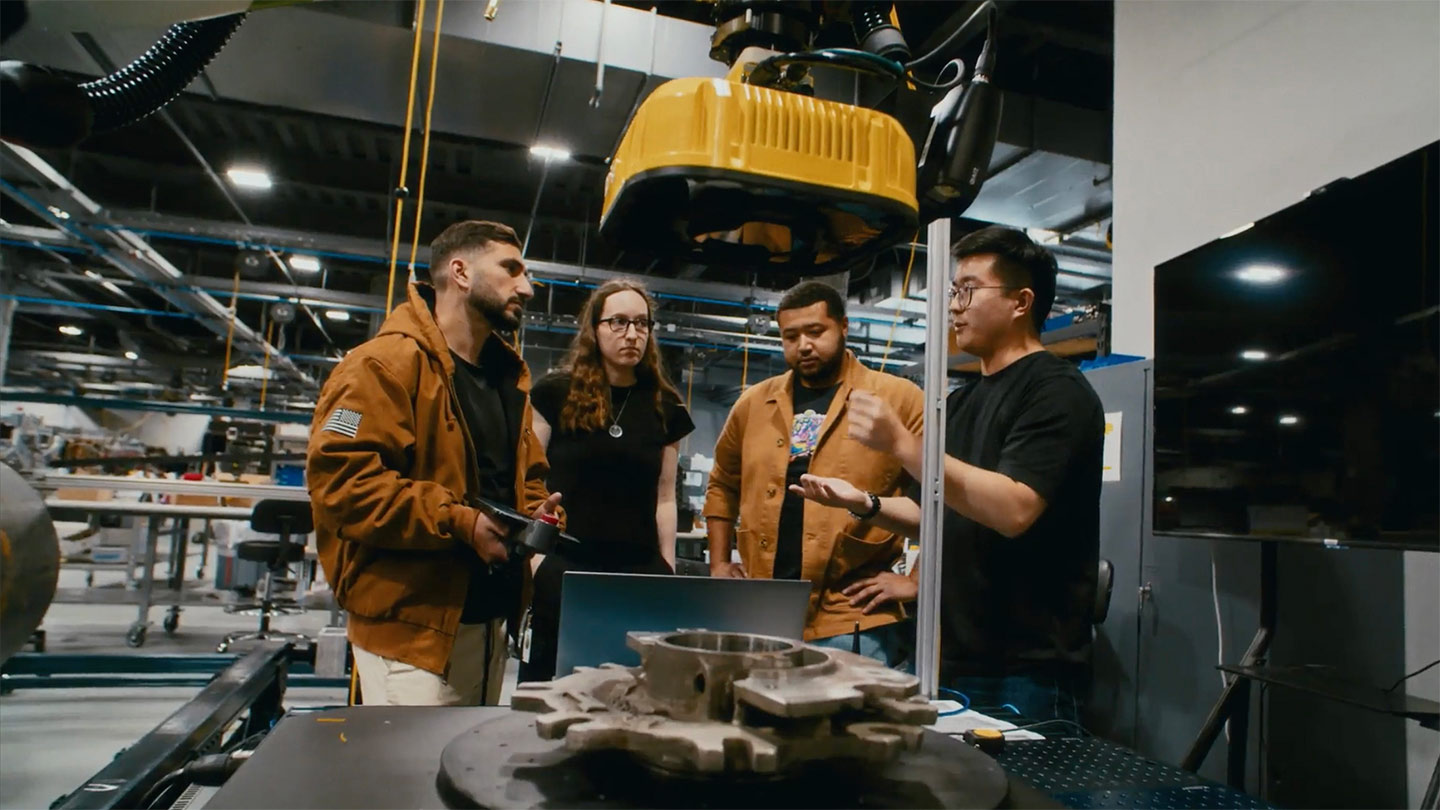
Gecko Robotics: Robots that keep critical infrastructure running
Sep 29, 2026
See how J.P. Morgan helped Gecko Robotics grow into an AI-powered infrastructure inspection leader.
0:30 - Banking
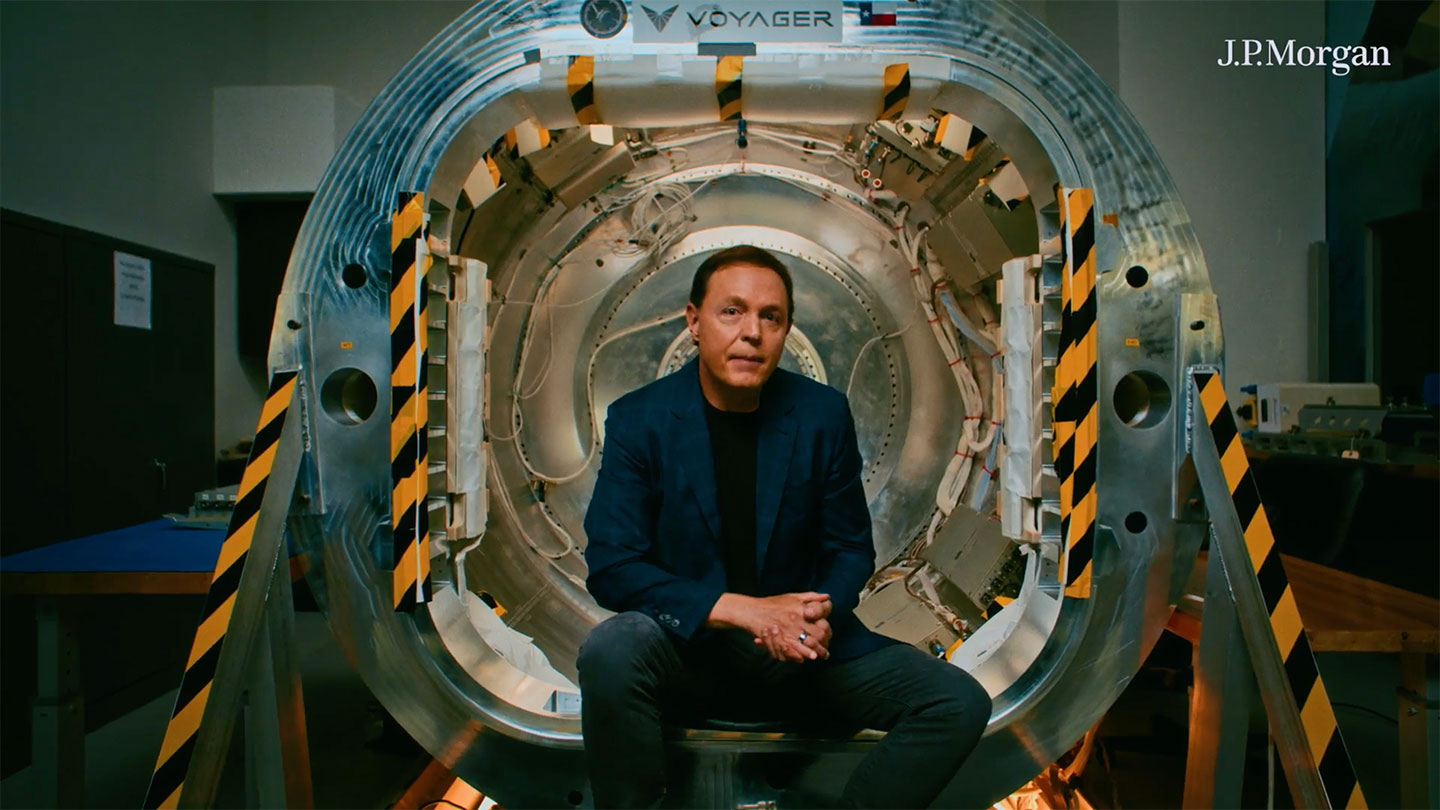
Voyager Technologies: From launch to liftoff
Sep 29, 2026
See how J.P. Morgan helped Voyager Technologies prepare for its IPO journey.
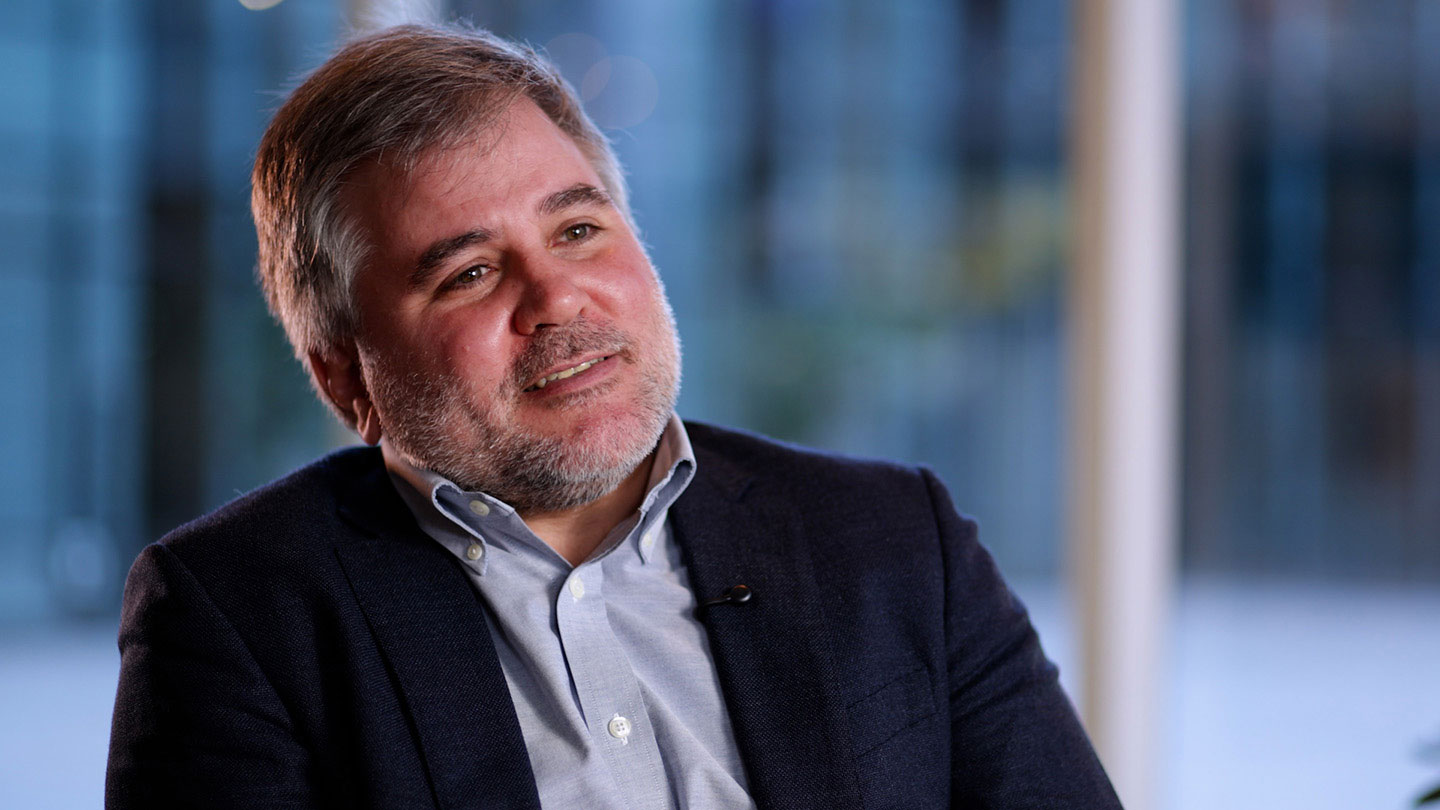
0:58 - Banking
Pampa CFO: “We’re having our highest levels of investment in the history of our company”
Sep 23, 2026
As a key player in the growth and development of the energy sector in Argentina, Pampa is leaning on J.P. Morgan for everything from bonds to balance sheet — and the partnership is succeeding.

Banking
Market signals and what they mean for companies in Asia Pacific
Sep 16, 2026
From diverging central bank policy to the AI investment boom and higher-for-longer energy prices, J.P. Morgan's Global Corporate Banking leaders unpack the macro forces reshaping the region — and what they mean for companies.
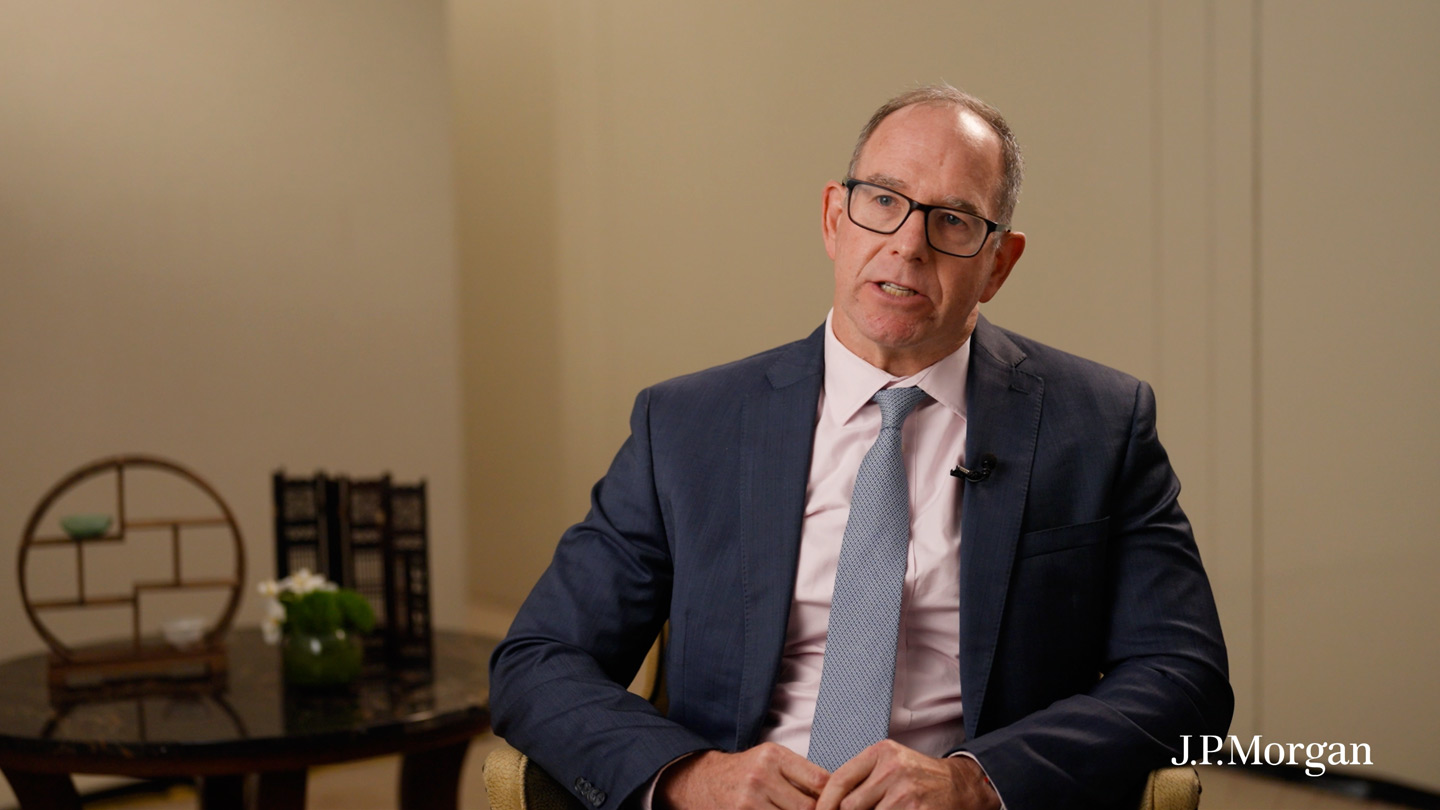
1:51 - Banking
Main Sequence: Building the next generation of deep tech
Sep 16, 2026
See how Main Sequence transforms breakthrough research into high growth companies with strategic support and venture capital expertise from J.P. Morgan.
You're now leaving J.P. Morgan
J.P. Morgan’s website and/or mobile terms, privacy and security policies don’t apply to the site or app you're about to visit. Please review its terms, privacy and security policies to see how they apply to you. J.P. Morgan isn’t responsible for (and doesn’t provide) any products, services or content at this third-party site or app, except for products and services that explicitly carry the J.P. Morgan name.