Banking
Powering Fervo’s journey in next-generation geothermal
Fervo Energy’s breakthrough in geothermal points to a new era of around-the-clock power and grid reliability.
Fervo Energy’s breakthrough in geothermal points to a new era of around-the-clock power and grid reliability.
July 27, 2026
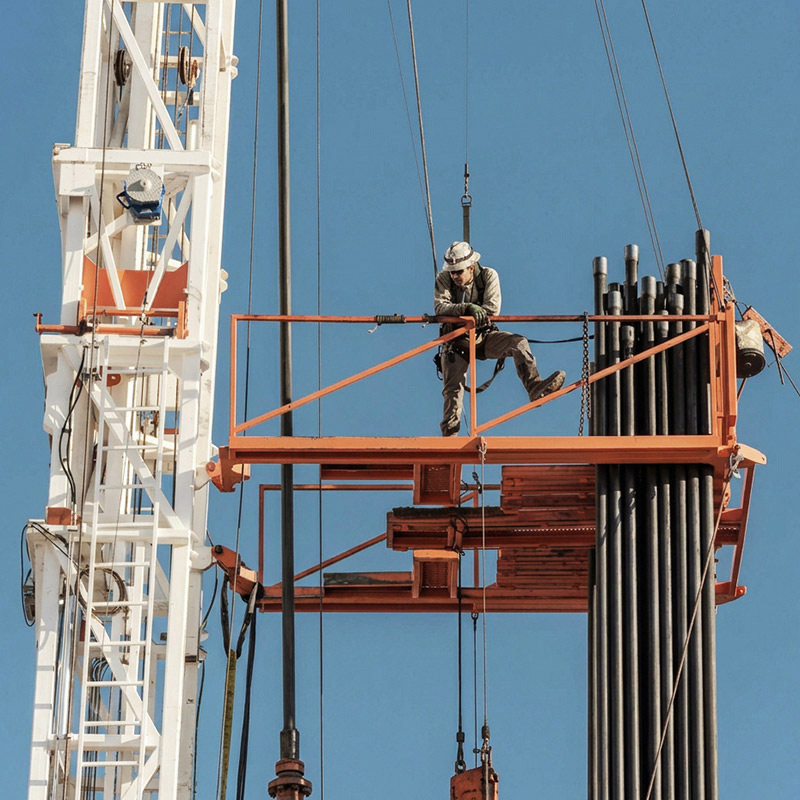
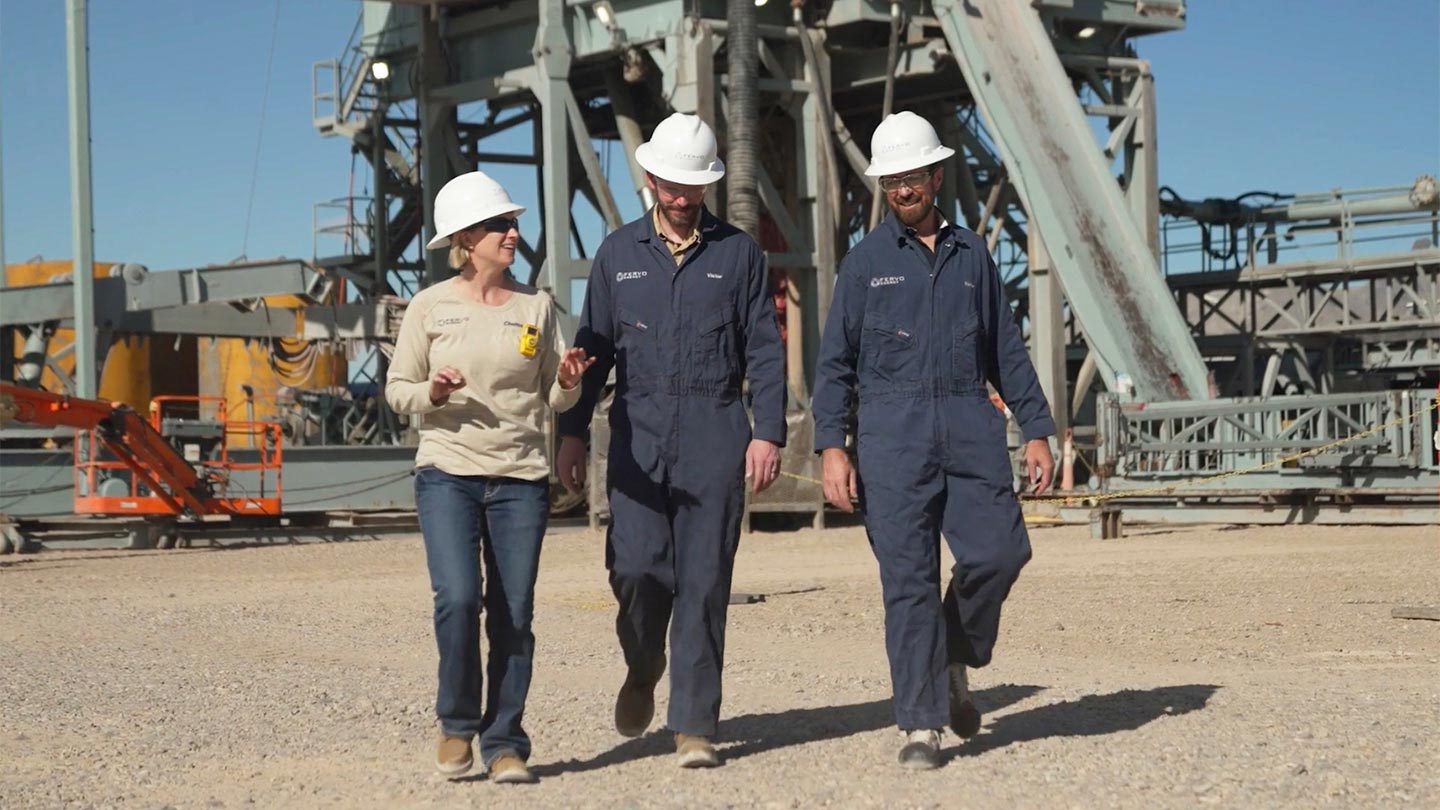
The U.S. power system is entering a new era defined by rising electricity demand and tighter grid capacity. Renewable sources such as wind and solar are expanding quickly, but surging demand is opening the door for a power source that can run continuously, regardless of weather.
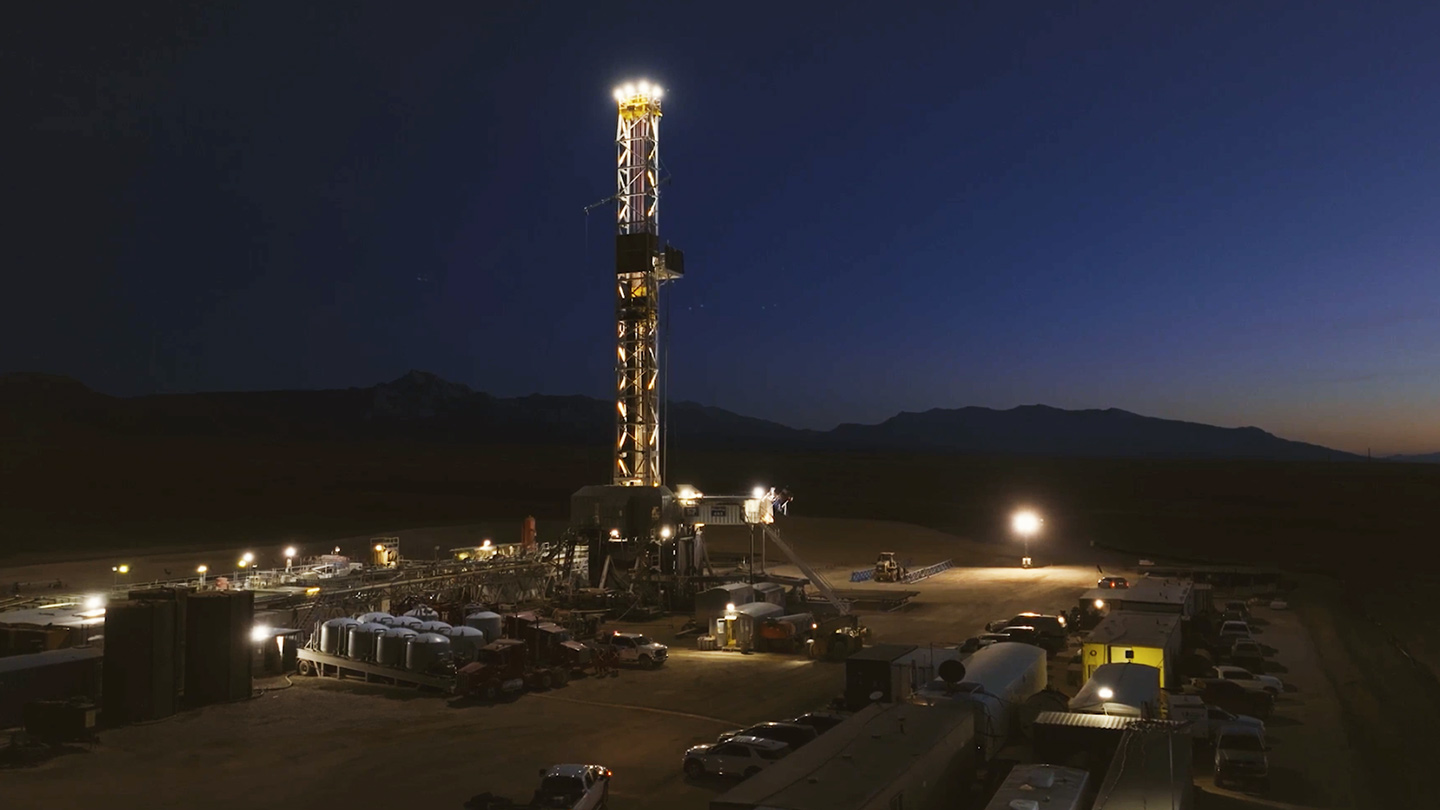
That’s where geothermal comes in. Fervo Energy, a company applying modern drilling techniques to a long-overlooked resource, has become one of the most closely watched innovators in energy.
Fervo’s story is about drilling and scaling, transforming a promising technical insight into utility-grade infrastructure. J.P. Morgan has played a key role throughout this journey, bringing together sector expertise, climate and technology insight, and strategic financing solutions to support Fervo’s move from innovation to expansion, including its recent IPO milestone.
Tim Latimer, CEO and co-founder of Fervo Energy, didn’t start his career in geothermal. He started on a drilling rig in south Texas, wrestling with one of oil and gas drilling’s persistent challenges: The deeper you drill, the hotter and harder-to-manage conditions become. As he dug through technical papers, he kept seeing the same word come up: Geothermal.
“What is this thing?” Latimer remembers thinking. The deeper he read, the clearer the opportunity became: geothermal could be a widely available, round-the-clock resource with near-zero operational emissions. But the industry needed innovation to make it work at scale and in more places.
That early insight became the blueprint for Fervo.

“We're truly in a once-in-a-generation moment of asking our power grid to grow like it's never grown before.”
Tim Latimer
CEO and Co-Founder, Fervo Energy
Geothermal power has generated electricity for more than a century, but developers have historically faced geographic constraints. Traditional projects have achieved the best results in locations close to tectonic fault lines.
“Geothermal, historically, was in places where there was hot rock near the surface. And there is only a handful of places across the earth where that’s possible,” said Michael Johnson, Security Resiliency Initiative Lead for Energy and the U.S. Government, J.P. Morgan.
Developers like Fervo are pushing geothermal beyond those limited zones—unlocking deeper heat resources with a cost and performance profile that can meet the grid’s needs.
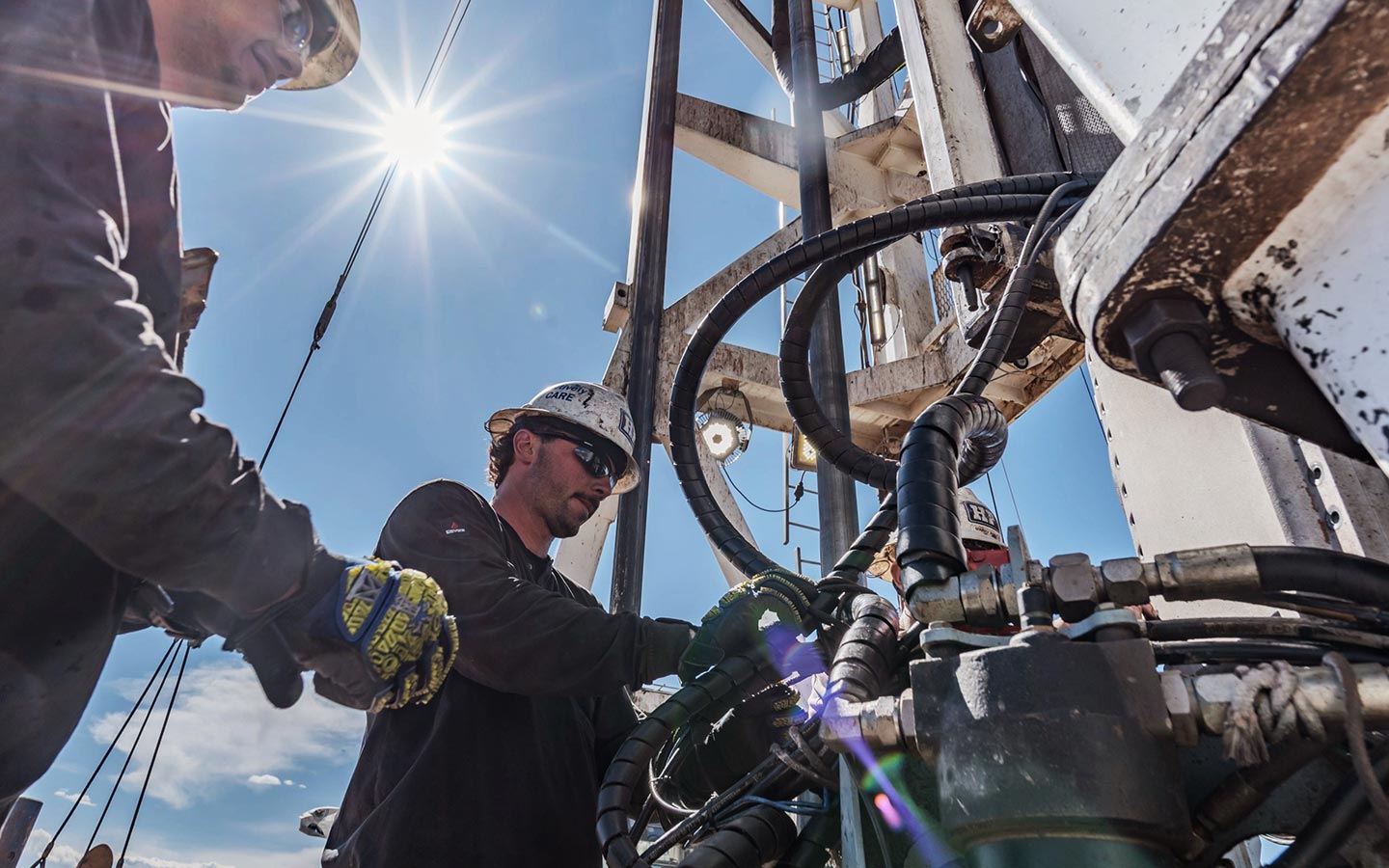
“You have wind blowing, you have sun shining, but that’s looking up. We also need to be looking below our feet. We need to be looking at geothermal as well.”

Dr. Sarah Kapnick
Global head of Climate Advisory, J.P. Morgan
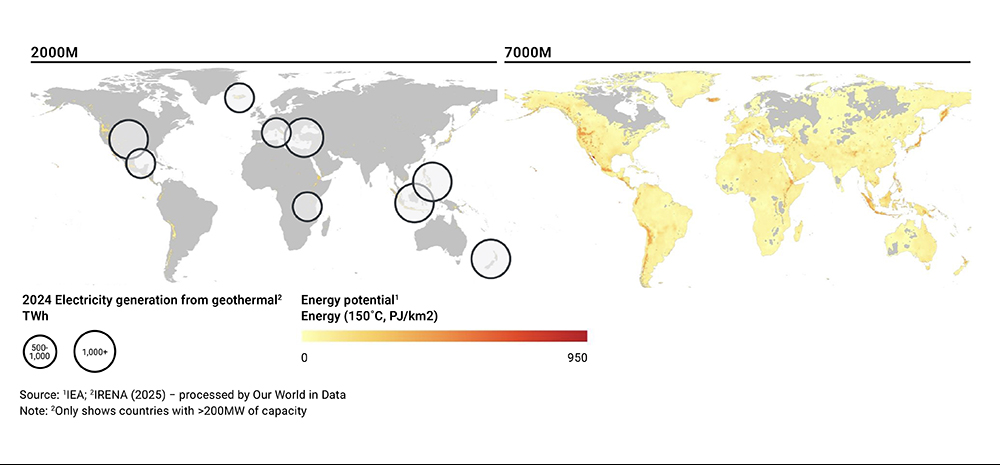
The image presents two world maps and a legend describing geothermal electricity generation and geothermal energy potential.
Left map (generation):
Right map (potential):
Notes and sources shown on the graphic:
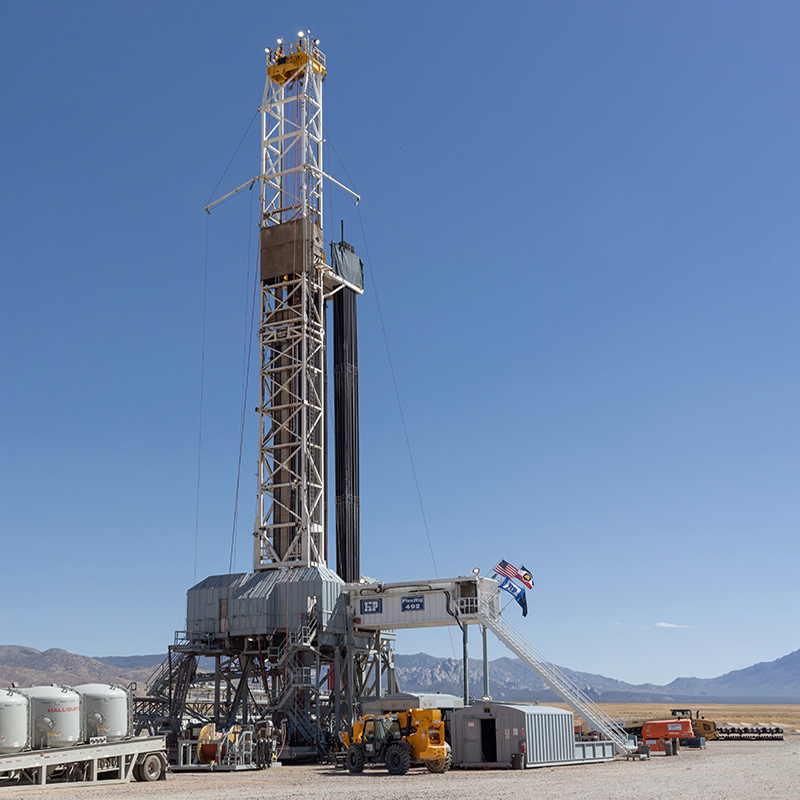
Fervo’s approach centers on technologies and techniques refined over decades in the oil and gas sector—especially in the U.S., which has deep experience in drilling, subsurface engineering and large-scale field execution.
Geothermal power works on a simple principle: Developers pump water down to hot rock deep underground, where the earth’s heat turns it to steam that drives a turbine to generate electricity. The challenge has always been reaching rock hot enough to make the economics work.
Rather than drilling only vertically, Fervo drills several miles down and then horizontally—expanding how much hot rock each well can access. Output per well and drilling efficiency help determine whether projects can scale.
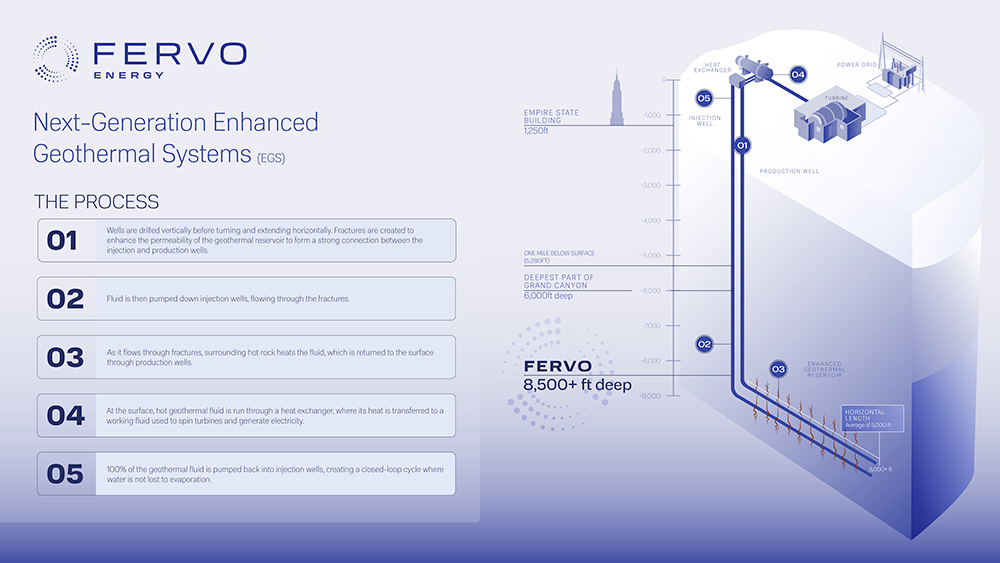
The infographic is titled “Fervo Energy — Next-Generation Enhanced Geothermal Systems (EGS).” It explains a five-step, closed-loop geothermal electricity process and shows a cutaway diagram of the subsurface and surface equipment.
Process steps (01–05):
Diagram details:
U.S. electricity demand is rising after a long period of stability. “We had 20 years from 2000 to 2020 where we had almost no growth in demand, and now we have demand growth of anywhere from 2% to 4% per year,” Johnson said.
The grid doesn’t just need more electricity. It needs reliable baseload electricity—day or night, calm or cloudy, hot or cold.
For Latimer, geothermal’s appeal is its ability to run continuously with a low operational emissions profile. “The thing that makes geothermal unique is that it works 24/7 and it’s not dependent on the weather,” Latimer said.
Ensuring a reliable grid depends on balancing demand peaks, weather variability and regional constraints with a diverse mix of energy resources.
Department of Energy (DOE) analyses estimate that geothermal energy could support:
90
GWE OF ELECTRICITY-GENERATING CAPACITY3
17K
DISTRICT HEATING SYSTEMS
28M
GEOTHERMAL HEAT PUMPS CAPABLE OF HEATING AND COOLING APPROXIMATELY 28 MILLION HOMES
Scaling an energy startup means tackling challenges that go beyond technology—long development timelines, complex permitting and capital-intensive projects. Latimer shares a key lesson: “One of the core values at Fervo is always do what we say we're going to do. Investors like to invest on a line, not a point.” Consistent progress and follow-through matter most, especially as you move from early wins to larger, more ambitious projects.
“There are no easy buckets in scaling a startup,” Latimer said. Adaptability and readiness to evolve are crucial at every stage. That’s where J.P. Morgan comes in—not just as a financier, but as a strategic advisor, supporting founders through each phase, helping turn breakthrough ideas into repeatable, scalable infrastructure.
Fervo’s early connection with J.P. Morgan deepened as investors and strategic partners sought to understand the technology and its commercial pathway. Johnson, a former petroleum engineer, describes a key moment: “J.P. Morgan and Fervo Energy were introduced when Devon Energy, a J.P. Morgan client, called us for advice on a potential investment into Fervo.”
Johnson’s sector expertise let the firm go “very deep on the technology,” bridging the gap between complex subsurface engineering and investor confidence.
From there, the relationship expanded. “Since then, we have spent a lot of time with Fervo, working through their long-term capital strategy, and we recently helped them with their IPO,” Johnson said.
Kapnick highlights the importance of financing and building systems that address energy security, climate goals and real-world engineering challenges. “J.P. Morgan has deep expertise in energy and climate infrastructure finance, and pulling all of those together is necessary for these new companies like Fervo to ensure that they can scale quickly and deliver,” Kapnick said.
“Our role is to help innovators like Fervo build durable financial foundations as they expand from early projects to a broader platform—without losing momentum.”
Andrew Hall
Executive Director, Green Economy Banking
Fervo’s mission also intersects with a broader theme: resiliency in supply chains, industrial capability and national competitiveness.
Johnson frames energy reliability as foundational. “Energy for many years has been a pillar of national security, but also power. We are in several existential races. One of them is powering AI and another is quantum computing, and energy supports all those,” Johnson said.
The JPMorganChase Security and Resiliency Initiative is a $1.5 trillion, 10-year plan to facilitate, finance and invest in industries critical to national economic security and resiliency. This initiative focuses on key sub-areas including nuclear energy, grid resiliency, distributed energy, battery storage and solar.
In that context, Johnson points to the functional role of companies like Fervo: “We need 24/7 power and that’s what Fervo uniquely does.”
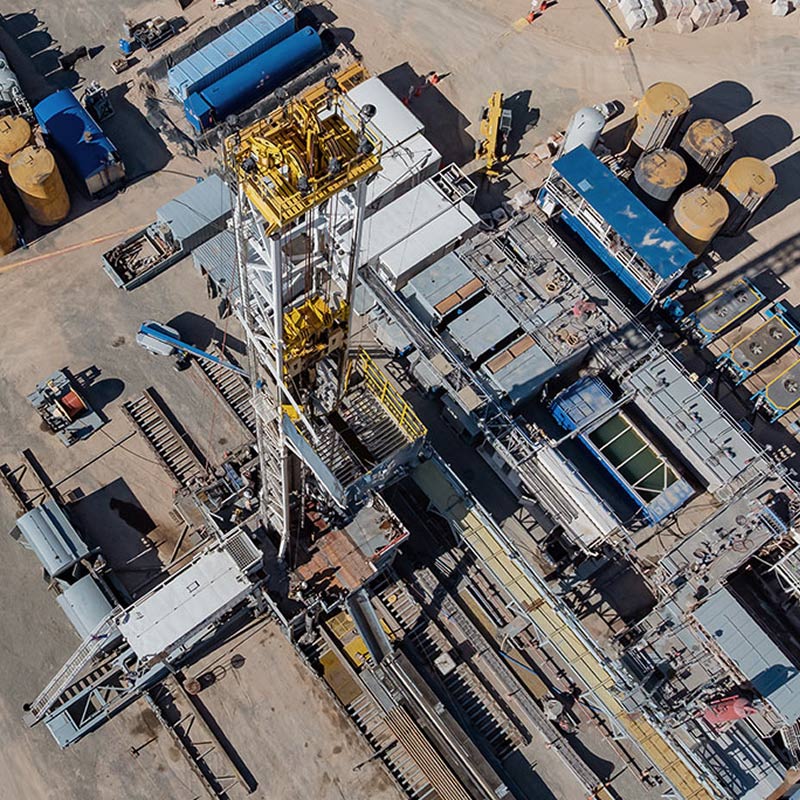
Geothermal’s resilience advantages
As Fervo’s growth story accelerated, it entered a new stage in capital markets. In May 2026, it raised $1.89 billion in its upsized IPO, with J.P. Morgan named among the joint lead bookrunners.
For an infrastructure-forward company, the IPO is less a finish line than a platform—another way to access capital, broaden visibility and support the long arc of scaling projects.
Latimer’s goal is both technical and historical: to turn geothermal from a resource known for a few standout locations into an energy option that can be deployed much more broadly.
$1.89B
AMOUNT FERVO ENERGY RAISED IN ITS UPSIZED U.S. INITIAL PUBLIC OFFERING
“Before Fervo, the broad sentiment was that geothermal was old technology—not scalable, not going to make a difference at a global level,” Latimer said. “If Fervo’s successful, then we added a new resource that has immense value when it comes to its reliability, affordability and sustainability.”
From startup to scale, we’re here to help founders like Tim Latimer navigate growth. Connect with our Green Economy Banking team for strategic solutions and long-term support to help your business advance decarbonization and drive innovation worldwide.
IEA (2026), Electricity 2026, IEA, Paris. License: CC BY 4.0
Reflects the fastest reported drilling time at each site, not average drilling time per well.
Assumes aggressive cost reductions in enhanced geothermal systems. Source: U.S. Department of Energy, "Geothermal Basics."
© 2026 JPMorgan Chase & Co. All rights reserved. JPMorgan Chase Bank, N.A. Member FDIC. Deposits held in non U.S. branches are not FDIC insured. Non-deposit products are not FDIC insured. Visit jpmorgan.com/cb-disclaimer for disclosures and disclaimers related to this content.