
6 min read
The 2026 commercial real estate outlook is bright. Multifamily and industrial remain strong, retail is steady and office is bouncing back in some metropolitan areas.
“In 2025, we saw improvements in real estate equity fundraising and transaction volume,” said Michelle Herrick, Head of Commercial Real Estate at J.P. Morgan. “The 2026 market is strong from both a capital and fundamental standpoint—we anticipate more transactions in the coming year.”
We pride ourselves on providing clients with through-the-cycle reliability regardless of the economic climate.
Macroeconomic and geopolitical trends impacting CRE
The 43-day federal government shutdown consumed headlines for much of the fall, significantly impacting the economy and, in turn, commercial real estate.
The shutdown primarily impacted community development real estate, which relies heavily on government funding and resources, with Community Development Financial Institutions (CDFIs) and Community Development Entities seeing the greatest effects. The shutdown and its impacts on housing programs present new challenges for CDFIs and the communities they serve. While the administration rescinded CDFI Fund layoffs made during the shutdown, the Office of Management and Budget (OMB) is withholding already appropriated CDFI Fund money. These changes, among others may delay new projects and investments.
The continuing resolution passed Nov. 12 extends FY2025 government appropriations through Jan. 30, 2026. Another federal shutdown could be on the horizon.
“That could hamper dealmaking activity through reduced investor confidence and demand, as well as elevated economic and political uncertainty,” said Ginger Chambless, Head of Market Insights for Commercial Banking at J.P. Morgan.
Beyond the shutdown, federal policies on regulation, immigration, and inflation and interest rates—and the uncertainty around them all—remain top of mind for investors.
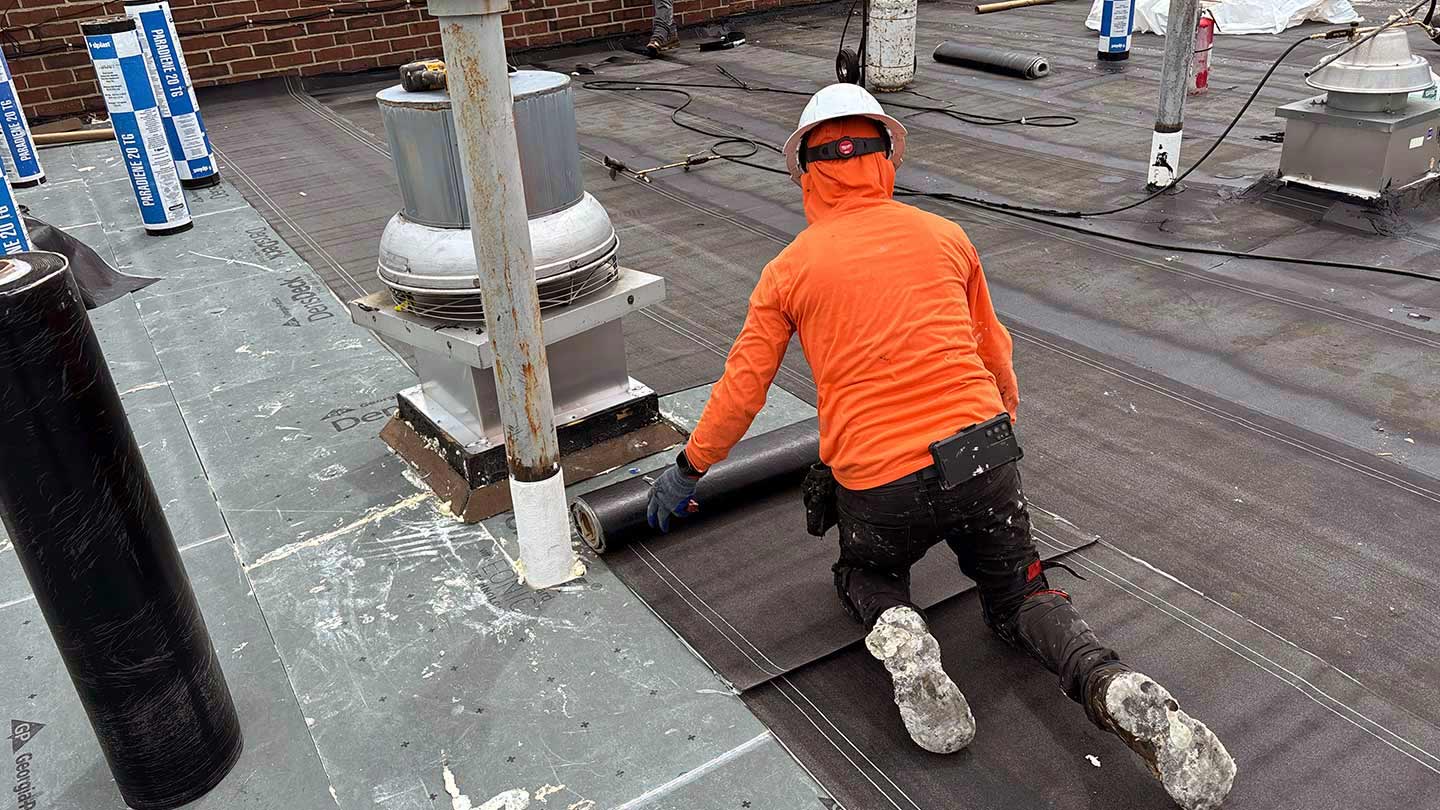
- Tariffs: “Tariff changes have already impacted building material costs,” Chambless said. For example, steel, aluminum and copper parts are all subject to a 50% tariff. Other building material costs could also be subject to finalized reciprocal rates and trade agreements with varying trade partners.
- Interest rates and inflation: “What has slowed down construction in multifamily, for example, hasn't solely been tariffs,” said Kurt Stuart, Co-Head of Commercial Term Lending at Chase. “It has been interest rates.” Despite modest upward price pressure on core goods inflation, and overall inflation above the Fed’s 2% target, in late October the Fed announced it would end its quantitative tightening measures starting Dec. 1.
- Immigration: “Immigration will be an important area to monitor as labor costs are also a substantial portion of commercial real estate project costs,” Chambless said. Reduced labor supply could increase construction costs via higher wages and reduce the overall development pipeline.
Despite these challenges, the new year looks bright across commercial real estate asset classes.
Office poised to bounce back
An office comeback could be on the horizon in some major cities, including Los Angeles and San Francisco. There have also been record rents in some Midtown Manhattan office buildings.
JPMorganChase recently opened its global headquarters at 270 Park Avenue in New York. Like other in-demand office properties, the building is home to a state-of-the-art health and wellness center with fitness areas, medical services, mothers’ rooms and meditation spaces. It’s also the city’s largest all-electric tower with net-zero operational emissions and includes a building automation system equipped with more than 100,000 sensors, plus other proptech.
Office hasn’t rebounded everywhere. Usage is still down in Denver, Chicago and Washington, D.C., among other metros. These cities may need more time to achieve a new normal.
“High-quality office space has good demand from end users,” said Burke Davis, Head of Real Estate Banking at J.P. Morgan. “Lower quality space is at risk of obsolescence. That could mean upgrades, but more likely repurposing buildings for different uses.”
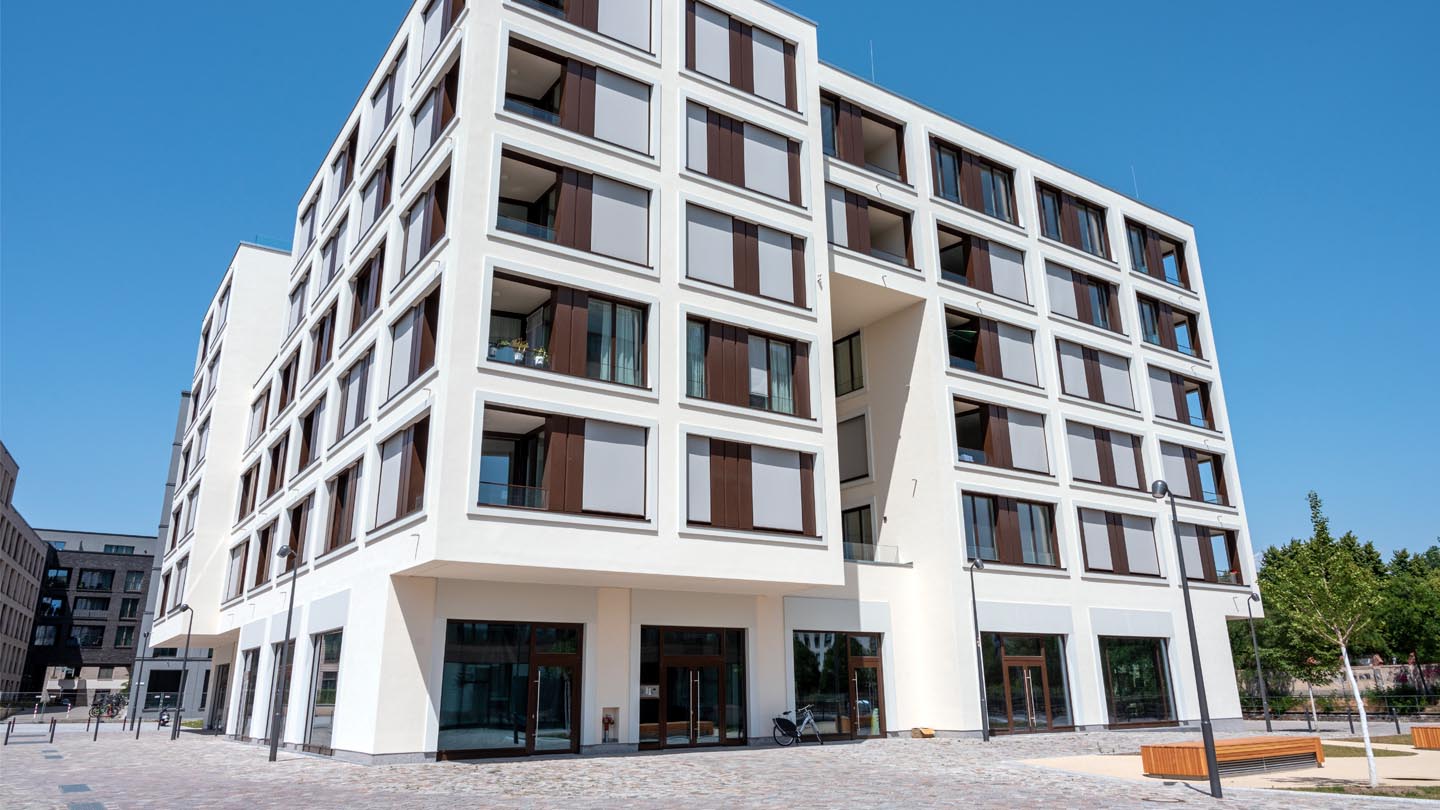
Multifamily fundamentals remain healthy
Multifamily debt markets remain robust in 2026, with government-sponsored enterprises (GSEs) receiving a 20.5% increase to their lending caps. The amount of debt capital available for multifamily assets is abundant and the ability to explore all options and coordinate capital for sponsors is essential.
The housing supply crisis persists. Over 22 million renter households experience housing-cost burdens, with 12 million classified as severely cost-burdened, according to the National Low Income Housing Coalition’s report, Out of Reach 2025: The High Cost of Housing.
“There's not enough affordable housing supply, and there is excessive demand for the supply that exists, particularly in major cities along coasts. That dynamic hasn't changed for a long time,” Stuart said.
The uncertain economic landscape could also impact multifamily. “If we start to see job losses, you may see some softness in rents,” Stuart said. “But we don't expect changes to be dramatic, given the structural supply and demand.”
In November, JPMorganChase announced more $40 million in philanthropic funding to help address the nation’s affordable housing supply shortage. The funding will support the expansion and preservation of housing in urban and rural areas. Since the beginning of 2025 through the first three quarters, the firm’s Commercial Real Estate and Tax-Oriented Investment businesses extended more than $5 billion in debt and equity for affordable housing, which is expected to create and preserve nearly 39,000 affordable housing units across the country.
As the country’s leading multifamily lender, our priority is to expand housing options for those in need by investing in new developments and the preservation of existing affordable and workforce housing.
While federal policies affect apartments, local legislation and governance decisions often have a greater impact. For example, New York City voters recently approved a proposal to consolidate over 8,000 paper maps across the five boroughs to create the city’s first unified digital map, with the aim of expediting development processes.
Industrial and retail offer opportunities
Industrial leasing is softer than it was during the sector’s post-COVID peak. However, the sector remains strong across both urban infill locations and big-box warehouses in areas with more space, such as California’s Inland Empire and across Texas. Given the uncertainty around tariffs, nearshoring and onshoring of manufacturing remains popular, demand for manufacturing facilities is likely to remain high.
J.P. Morgan recognizes the importance of these and other technology and infrastructure advancements. We’re focused on delivering the full strength of the firm to help address challenges ahead. The launch of our Security and Resiliency Initiative, a $1.5 trillion effort, aims to boost critical industries, including supply chain and advanced manufacturing, defense and aerospace, energy independence and resilience, and strategic technologies.
Industrial’s success is closely tied with that of retail’s. Backed by strong consumer spending, retail has solid momentum entering 2026. Grocery-anchored and neighborhood shopping centers continue to perform well, and retail is thriving in areas where office usage has increased.
“The retail sector is experiencing good tailwinds with limited new supply,” Davis said. “We’re seeing the strongest valuations in a decade across active shopping centers, excluding regional malls.”
Safeguard against cybersecurity and fraud attacks
In 2024, 79% of organizations reported being targets of attempted or actual payments fraud, according to the 2025 AFP Payments Fraud and Control Survey Report. Checks remain the payment method most often subject to fraud—63% of respondents reported their organizations faced check fraud in 2024.
Commercial real estate organizations can protect themselves by integrating fraud protection into their payment management systems and keeping those systems up to date, investing in cybersecurity and fraud employee training and practicing good cyber hygiene, such as segregating duties, documenting procedures and using multifactor authentication.
The bottom line: The 2026 commercial real estate outlook is positive. Multifamily, industrial and retail remain resilient, and office usage and rents are up in several markets. Although economic uncertainty and other challenges remain, opportunities are on the rise.
JPMorgan Chase Bank, N.A. Member FDIC. Visit jpmorgan.com/commercial-banking/legal-disclaimer for disclosures and disclaimers related to this content.




You're now leaving J.P. Morgan
J.P. Morgan’s website and/or mobile terms, privacy and security policies don’t apply to the site or app you're about to visit. Please review its terms, privacy and security policies to see how they apply to you. J.P. Morgan isn’t responsible for (and doesn’t provide) any products, services or content at this third-party site or app, except for products and services that explicitly carry the J.P. Morgan name.