3 min read
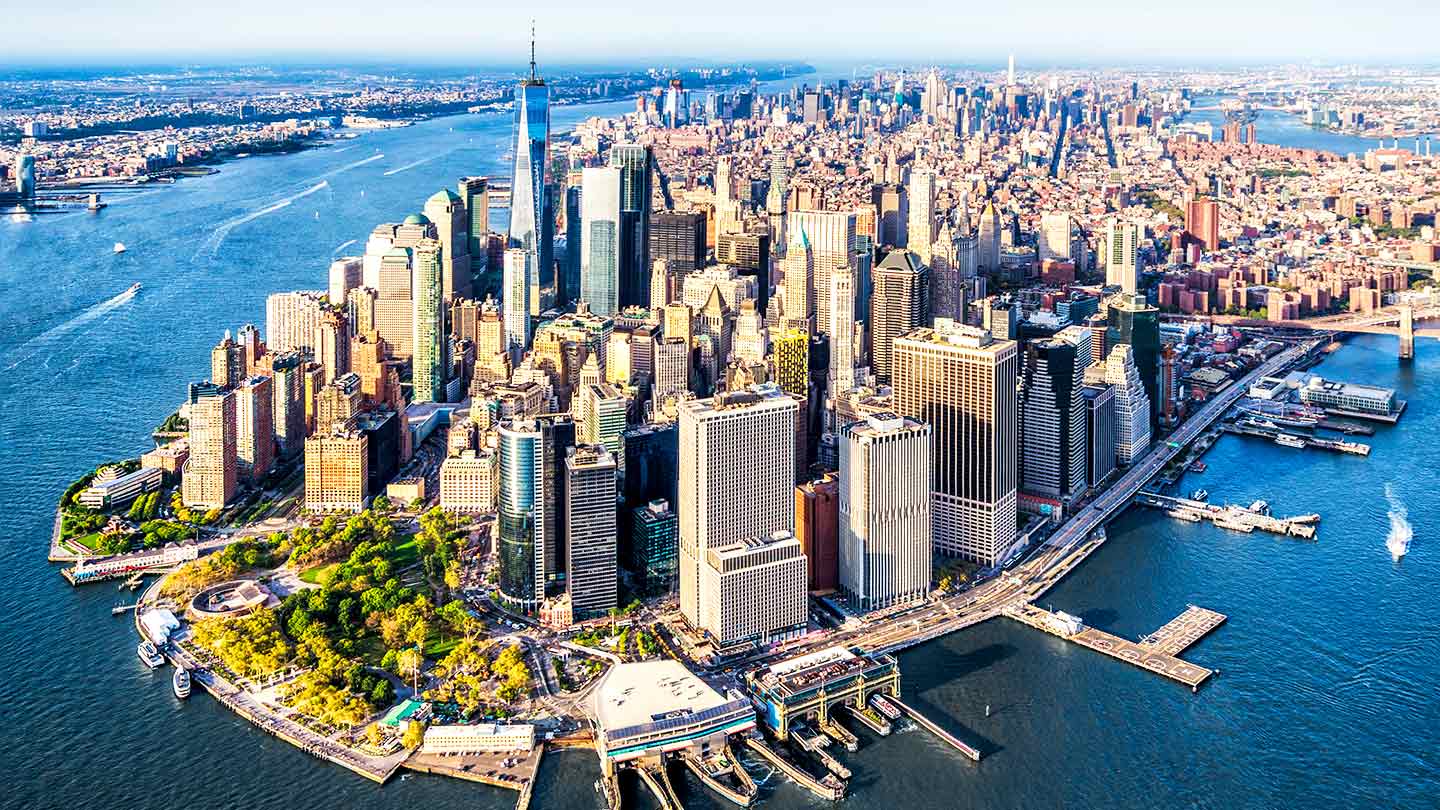
New York City’s multifamily market is poised for growth in 2026.
“The fundamentals are steady,” said Will Oehler, Managing Director, Northeast Multifamily Lending. “New York is a unique market because it always finds a way to attract people and capital.”
Demand for rental properties remains strong. In Q1 2026, average rents are up 1.5% from the previous quarter, according to Moody’s data. Q1 vacancies sit at 3.3%—that’s up 0.3% year-over-year, but down 0.2% from the previous quarter.
Trade volume stable across boroughs
“There’s a shift as the market adjusts to interest rates, New York City rent regulations and expense increases,” Oehler said. “What’s interesting is trade velocity—the sale of buildings—is actually rising.”
“Some owners are selling because they want to exit the business and don’t have a succession plan,” Oehler said. “At the same time, there appears to be a healthy pool of buyers.”
Multifamily transaction count rose 4% year over year and 12% since 2023, according to Ariel Property Advisors. While dollar volume declined year over year by 2%, it increased 15% compared to 2023. Queens and the Bronx saw an increase in multifamily dollar volume from 2024 to 2025. Free market assets make up a robust portion of Manhattan, Brooklyn and Queens multifamily transactions.
Rent-stabilized assets remain in demand
“There are still plenty of investors interested in acquiring rent-regulated properties in New York City, even with the Housing Stability and Tenant Protection Act (HSTPA) of 2019,” Oehler said.
In the Bronx, for example, more than 90% of dollar volume came from transactions involving affordable housing or properties with at least 75% rent-stabilized units, according to Ariel Property Advisors. Demand for workforce and affordable housing far exceeds supply in New York, supporting stable rents and low vacancies.
While other cities like Nashville and Austin are experiencing overbuilding, New York’s development pace has slowed, particularly following the expiration of the 421-a tax incentive. While the 485-x tax incentive is expected to help with some development, it’s still not enough to fill the supply demands.
“The fundamentals are steady across boroughs. New York is a unique market because it always finds a way to attract people and capital.”

Will Oehler
Managing Director, Northeast Multifamily Lending
Higher-for-longer interest rates
Interest rates remain elevated as the Federal Reserve seeks more signs of progress on bringing inflation back to its 2% target.
Although an interest rate cut was considered likely early in 2026, that’s no longer the case. As of May, a renewed hiking cycle may even be possible.
The uncertain trajectory for interest rates means investors seeking or refinancing apartment loans may want to consider prepayment options that would allow flexibility when rates decline.
A buyer’s market takes shape
“With interest rates settling into a higher-for-longer range and inflation seemingly more under control than it was in 2022—despite recent upticks—it’s reasonable to assume we’re entering a buyer’s market,” Oehler said.
The combination of a settling economy, strong rents and low vacancies could also support an increase in investment.
Even as interest rates stabilize, cap rates sat at 5.4% as of Q1 2026, according to Moody’s data. However, mortgage rates could remain higher than cap rates, which means some negative leverage acquisitions may continue.
“We’re in a normal part of the cycle where opportunities arise because people’s views change—often driven by where they are in their own business cycle,” Oehler said. “You’ll see owners of mature businesses who want to retire. If there’s no next generation to take over, they’ll sell.”
“Land is scarce in New York City, and people want to live here,” he said. “At today’s price points, you can buy units far below replacement cost.”
Whether you’re ready for financing or looking to streamline your operations, reach out to our New York lending, payments and liquidity team.
JPMorgan Chase Bank, N.A. Member FDIC. Visit jpmorgan.com/commercial-banking/legal-disclaimer for disclosures and disclaimers related to this content.