3 min read
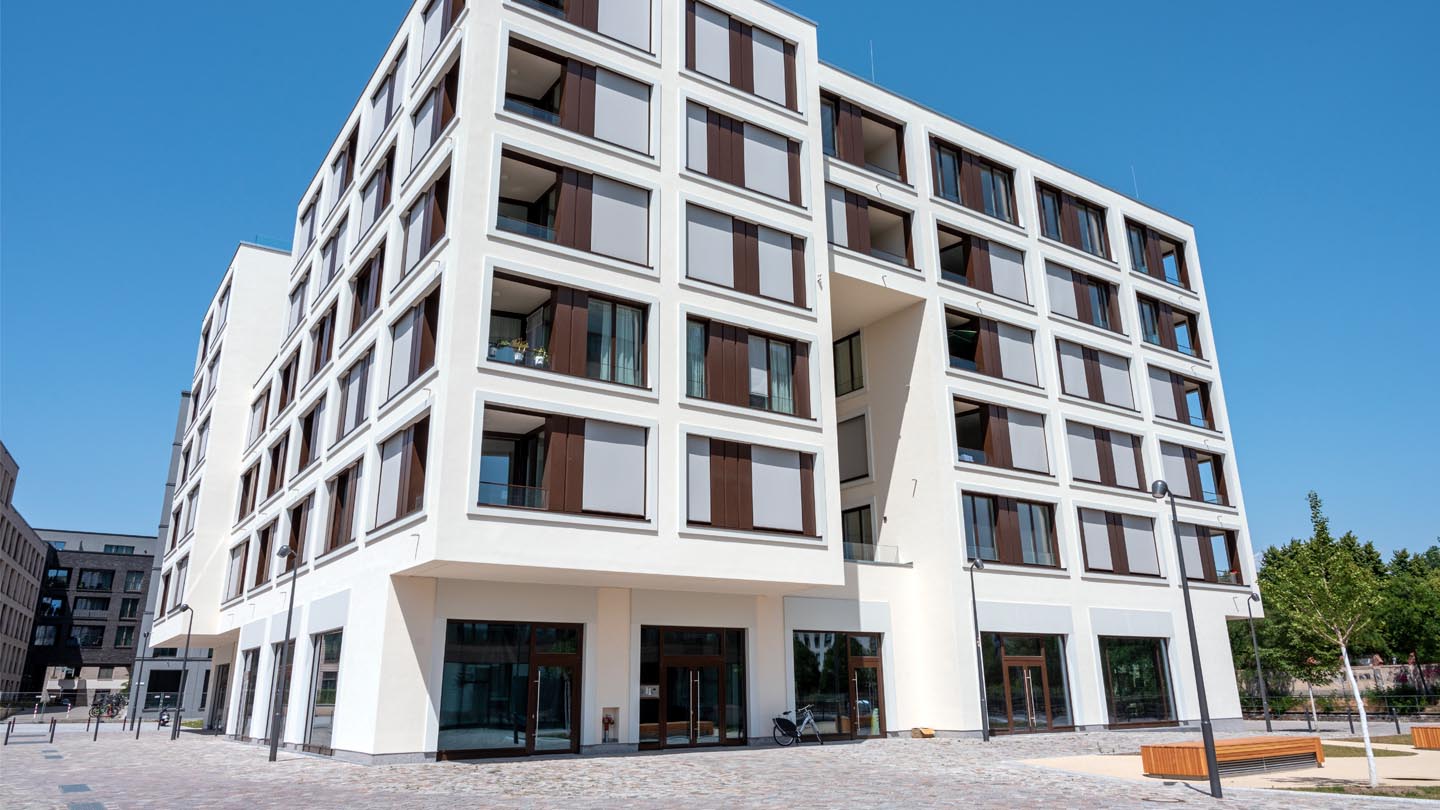
Los Angeles’ multifamily fundamentals are expected to remain steady in 2026, supported by its diversified economy.
“LA is resilient with a broad-based economy. No one factor, whether that’s trade or population trends, changes that. The metro has strong healthcare, entertainment, finance and education industries, to name a few, which contribute to the overall health of the multifamily market,” said Matthew Krasinski, Senior Regional Sales Manager at Chase.
Los Angeles vacancies are projected to stabilize at around 4.5% by year-end, according to Moody’s. Effective rents are expected to rise 1% year over year.
LA workforce housing remains in demand
Population growth slowed in 2025 and isn’t expected to bounce back in the year ahead. That resilience is being tested by demographic shifts—but impacts vary by property class.
“Several factors contributed to this slowdown, including stricter immigration policies, heightened tensions in law enforcement and accelerating domestic out-migration … driven by the lingering effects of the historic wildfire, the transformation of the local entertainment industry and persistent affordability challenges,” said Lu Chen, Senior Economist at Moody’s.
Workforce and affordable housing properties have proven comparatively insulated from these shifts. The vacancy rate at Class B and C properties fell to 3.5% in the first quarter of 2026, compared with 5.8% at Class A properties.
Even so, some multifamily owners are taking steps to limit turnover. Rising costs to prepare a unit for a new renter are also a factor.
“We’re seeing customers would rather work with their current renter to keep them in place,” said Lynnette Antosh, Senior Regional Sales Manager at Chase.
Interest rate uncertainty
A moderation in interest rates and increase in cap rates have helped spur transaction activity.
“Over the past two years, transactions tended to be more event-driven,” Krasinski said. “There’s been a little bit of movement in sale prices, rates and offers and we’re seeing more buying opportunities emerge.”
The path for Interest rates remains uncertain as the Federal Reserve balances its two goals: stable prices and maximum employment. That has multifamily investors seeking flexible financing. For some, that means riding out the variable-rate portion of a loan rather than refinancing. For others, it means choosing a shorter three- to five-year loan term.
“We’re seeing customers closely watch the volatility in the rate environment, maybe more so than they have in the past,” Krasinski said.
Manage rising operational costs
Rising operational costs are putting pressure on margins, making strategic liquidity management more important. Automated payment systems can help you collect payments faster while you establish longer payment terms with vendors. Even cash reserves earmarked for operations can earn interest.
Building a capital management plan—or reviewing your existing plan—with your payments and liquidity team can help you make the most of your cash.
“When you’re working with experts who specialize in commercial real estate and have solutions tailored to owner-operators, you can deploy capital more effectively,” Antosh said.
Your team can also help you take advantage of fraud protection tools and stay current on commercial real estate cybersecurity best practices.
Rising insurance costs
Property management expenses have been increasing, but insurance costs have seen especially large jumps.
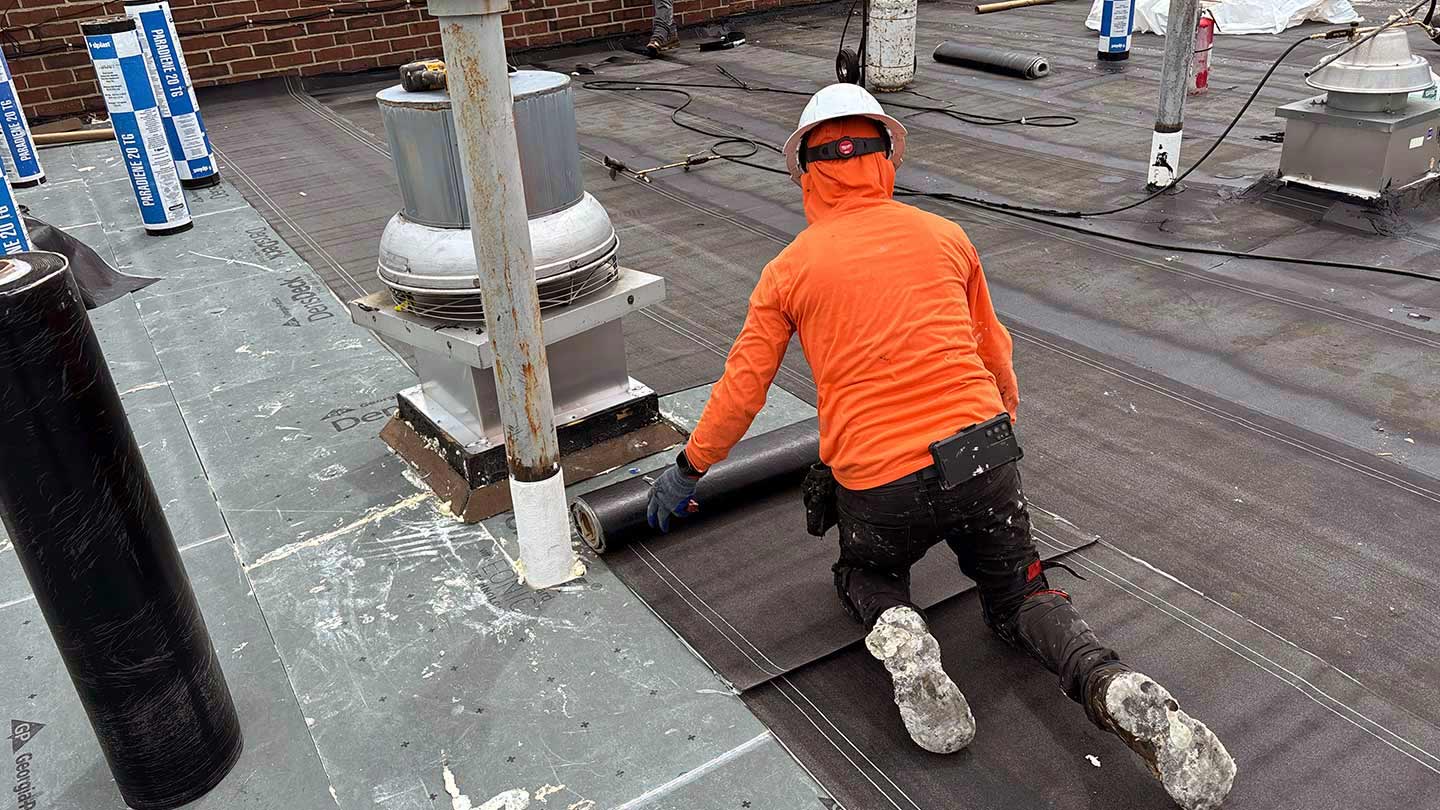
Underwriters closely evaluate property maintenance and building systems when setting premiums. Staying on top of capital projects that keep a property in good shape can help, Krasinski said.
“Insurers will look at how recently you’ve replaced the roof, the pipes a building has or whether the electrical system has been upgraded,” he said. “It’s about controlling the factors you can.”
Whether you’re ready for financing or looking to streamline your operations, reach out to our Los Angeles lending, payments and liquidity team.
JPMorgan Chase Bank, N.A. Member FDIC. Visit jpmorgan.com/commercial-banking/legal-disclaimer for disclosures and disclaimers related to this content.