5 min read
Key takeaways
- As AI increases competition in the software sector and switching costs fall, embedding payments helps platforms build a moat by making them integral to customers’ operations.
- Embedding payments can create a competitive advantage by unlocking new revenue streams and deepening client relationships. It also captures proprietary data that can build a foundation for capabilities only your company can provide, helping you create a competitive, defensible strategy.
- Successfully embedding payments requires strong infrastructure and fraud prevention. Choosing the right provider matters—look for capital strength, regulatory expertise, ability to keep up with emerging AI-fueled fraud threats and the flexibility to design solutions tailored to your business model.
Contact Us
Hide
Contact Us
Hide
Generative AI is rewriting the competitive rules for the software as a service (SaaS) and vertical software industry. Build cycles are compressing. New competitors—or in-house teams—can more easily match features. AI agents may automate work traditionally done on SaaS platforms, disrupting pricing and economics.
But while AI is fueling competition, it’s also expanding what software companies can build. That opens doors to larger markets and greater value—for software companies that succeed in making their platform essential to clients’ core operations, rather than a replaceable tool. And few things are more essential than helping clients seamlessly manage payments.
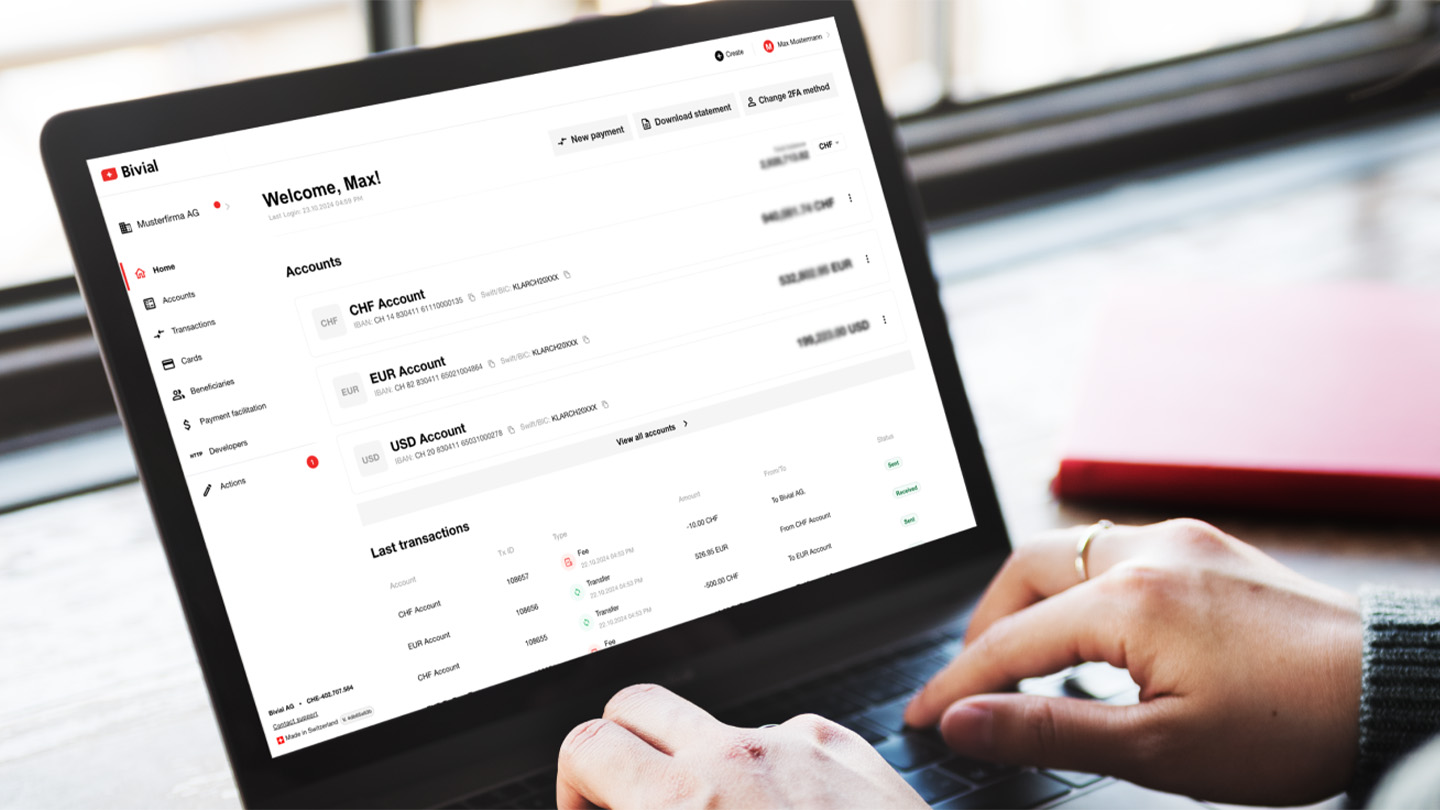
Embedding payments allows clients to accept, manage and transfer funds without ever leaving your platform. It has the potential to drive growth through new revenue opportunities, deeper client relationships and proprietary data—but only if you deliver accurate, reliable, compliant payments. A provider with expertise in payments, compliance and fraud prevention can help you build an effective embedded payments strategy.
How embedding payments helps overcome reduced switching costs
Changing software providers has traditionally come with friction: exporting data, retraining staff and rebuilding integrations. If AI can assist with those tasks, switching costs fall.
Embedding payments helps you continue to drive retention without relying on legacy friction. When your platform is where your clients receive revenue, hold funds, make payouts, automate reconciliation and access seamless financial reporting, it becomes infrastructure critical to day-to-day operations. The client experience provides value that’s hard to replicate—efficient onboarding, low-friction fraud controls and real-time payments.
The opportunity is significant: The total addressable market for embedded finance in the U.S., Canada and Europe is estimated at $185 billion across payments, capital solutions, accounts and card issuing, according to Boston Consulting Group.
We’re here to help you evaluate infrastructure decisions in the context of your growth strategy.
How embedding payments creates a competitive edge
There’s a meaningful difference between embedding payments and enabling payments through third-party checkout. Embedding payments provides greater control over the client experience. It also creates new avenues for growth and competitive differentiation.
Embedding payments can help you compete through:
-

Business expansion
When your platform hands payments off to a third party, you forgo opportunities.
Embedding payments has the potential to create a foundation for an ecosystem of financial offerings, such as working capital, treasury and foreign exchange (FX) products. Controlling payment flows provides tools needed to support these products, including cash flow visibility and transaction data.
These new business avenues may compound in value, particularly for platforms with growth aspirations. For example, rather than simply collecting subscription revenue and monetizing transactions, your platform could generate revenue on customer balances or FX margins on cross-border payments. As your clients integrate your platform into their financial operations, these new revenue streams can grow in ways traditional subscription revenue may not.
-

Deeper client relationships
When your clients must leave your platform to make payments, you don’t have full control over their experience. With embedded payments, clients stay within a familiar environment and avoid the friction of switching to external checkout.
Embedding payments also gives you the opportunity to design a tailored client experience with streamlined onboarding and offerings built around how your clients run their businesses, including flexible payment methods and integrated loyalty or rewards programs.
Done well, it can lead to lower churn and greater customer lifetime value.
-

Unique proprietary data
Every transaction your platform processes generates structured, proprietary, real-time data: who is creating invoices, from what vendors, following what seasonal trends. Over time, this creates a dataset that’s unique to your platform and difficult to replicate.
That gives your payments data strategic value—it can help you build your competitive moat. Exclusive, structured payments data that’s specific to your business gives you the opportunity to develop AI applications tailored to your platform and clients. Because your competitors don’t have access to this data, it has the potential to create a foundation for intelligent features only you can build, such as dynamic recommendations and customer segmentation.
This approach requires clean data structured with AI use in mind. But done well, it can help you implement an AI strategy that sets your platform apart.
Creating reliable payments solutions
While embedding payments can help create a competitive moat, it also creates risk. Your clients are trusting your platform with business cash flows. They expect seamless transactions—and no missteps.
Embedding payments requires strong fraud prevention practices, as well as the ability to keep up with emerging threats. It also requires measures to ensure transactions are accurate, comply with regulations and are authorized by your clients—particularly if there’s potential for agentic AI to transact on a client’s behalf.
Infrastructure you can build on
Building embedded payments in-house is complex, requiring significant investment in infrastructure and regulatory compliance. Designing payment flows that match how your clients operate, structuring accounts for third-party funds and managing compliance across markets are decisions with long-term consequences.
Strong embedded payments infrastructure takes:
- Stability and liquidity: The financial institution behind your payments experience matters—both to your direct clients during procurement due diligence and to their customers whose money moves through your platform. J.P. Morgan offers FDIC-insured deposit accounts and a robust balance sheet to give everyone in the chain confidence.
- Safety and fraud prevention: Platforms need a banking provider that can help them keep up with evolving payment risks and sophisticated fraud vectors—including AI-driven threats. J.P. Morgan embeds critical safeguards directly into the payments experience.
- Regulatory compliance: Payment regulations differ by market, transaction type, and the management of client funds. J.P. Morgan solutions support compliant and auditable fund handling as your business grows.1
- Global scale: The right provider handles complex payments at scale, with stability and global reach to support where your platform is going, not just where it is today.
- Tech stack: Modern API integrations and robust platforms are essential for developers to integrate client payments.
- Flexible solutions: No two software platforms have the same payment flows, customer bases or business models. J.P. Morgan works with SaaS and vertical software companies across industries and offers configurable solutions to match your operations.
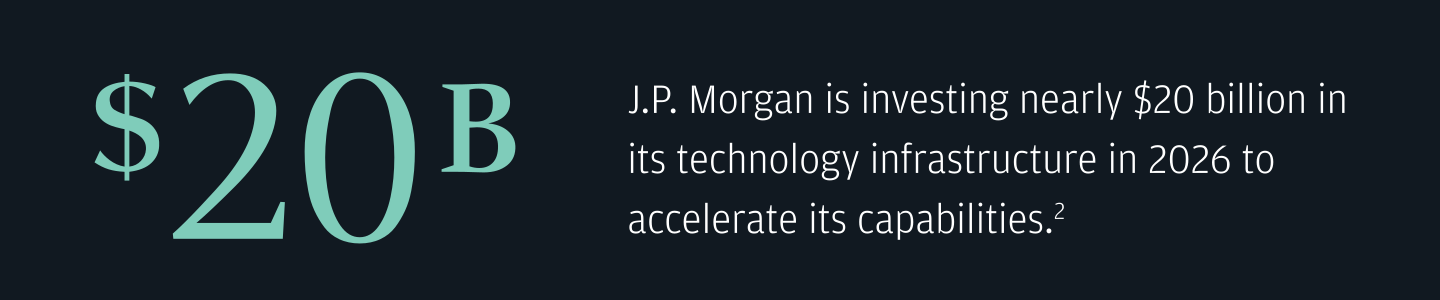
J.P. Morgan is investing nearly $20 billion in its technology infrastructure in 2026 to accelerate its capabilities.2
Next steps
Platforms that embed payments effectively identify the capabilities that create the most value for their specific business model and work with a provider that has the expertise to execute seamlessly.
We’re here to help you design a payments strategy built around your business goals and growth strategy. J.P. Morgan works with software platforms at every stage of the embedded payments journey—from assessing the business case to scaling into new markets and currencies. Our global scale, payments expertise and regulatory infrastructure can help you build for what’s next.
References
J.P. Morgan does not provide legal, tax, compliance or regulatory advice. Clients should seek their own independent advice in relation to these matters
JPMorganChase Investor Day, February 2026
Disclaimer
The views and opinions expressed herein are those of the author and do not necessarily reflect the views of J.P. Morgan, its affiliates, or its employees. The information set forth herein has been obtained or derived from sources believed to be reliable. Neither the author nor J.P. Morgan makes any representations or warranties as to the information’s accuracy or completeness. The information contained herein has been provided solely for informational purposes and does not constitute an offer, solicitation, advice or recommendation, to make any investment decisions or purchase any financial instruments, and may not be construed as such.
The information in this document may be based upon management forecasts supplied to us and reflects prevailing conditions and our views as of this date, all of which are accordingly subject to change. JPMorganChase’s opinions and estimates constitute J.P. Morgan’s judgment and should be regarded as indicative, preliminary and for illustrative purposes only.
JPMorgan Chase Bank, N.A. Member FDIC. Deposits held in non-U.S. branches are not FDIC insured. Non-deposit products are not FDIC insured.
JPMorgan Chase Bank, N.A., organized under the laws of U.S.A. with limited liability.
© 2026 JPMorgan Chase & Co. All Rights Reserved.
Visit jpmorgan.com/paymentsdisclosure for further disclosures and disclaimers related to this content