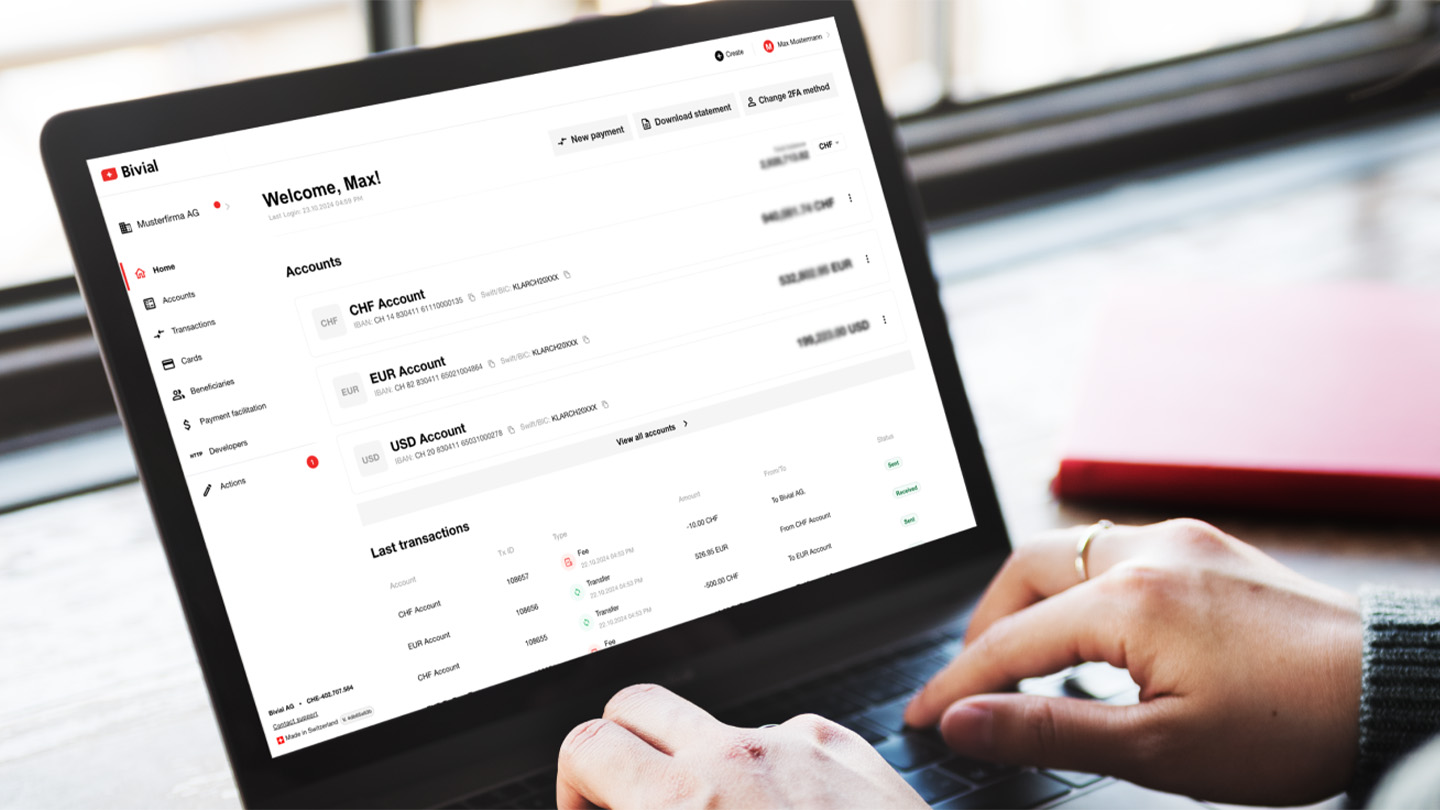
The credentials are valid. The vendor and timing look familiar. But something is off.
Account takeover (ATO) doesn’t look like a breach in progress. It looks like business as usual. Until it doesn’t. Fraudsters use legitimate credentials, often acquired through phishing, social engineering or compromised devices, to access your payment systems and initiate transactions that appear routine to internal controls.
And AI is making it easier. What once required manual effort now operates at greater speed and scale, automating credential theft and enabling fraudsters to strike more targets, more quickly. Authentication proves someone has the key. It doesn’t prove who’s using it, or why.
Why ATO is hard to spot
- With valid logins, fraudulent payments blend into normal activity. Controls that treat authenticated as trusted provide cover for bad actors.
- Multifactor authentication helps, but attackers can bypass it through SIM swapping, session hijacking or credential-harvesting schemes.
- Static payment controls often assume known patterns equal known identity. They don’t distinguish a trusted user from a compromised credential behaving like one.
- Detection lags behind execution. In the 2025 AFP Payments Fraud and Control Survey, 79% of organizations experienced actual or attempted payments fraud, and 20% of those who lost funds were unable to recover anything.1
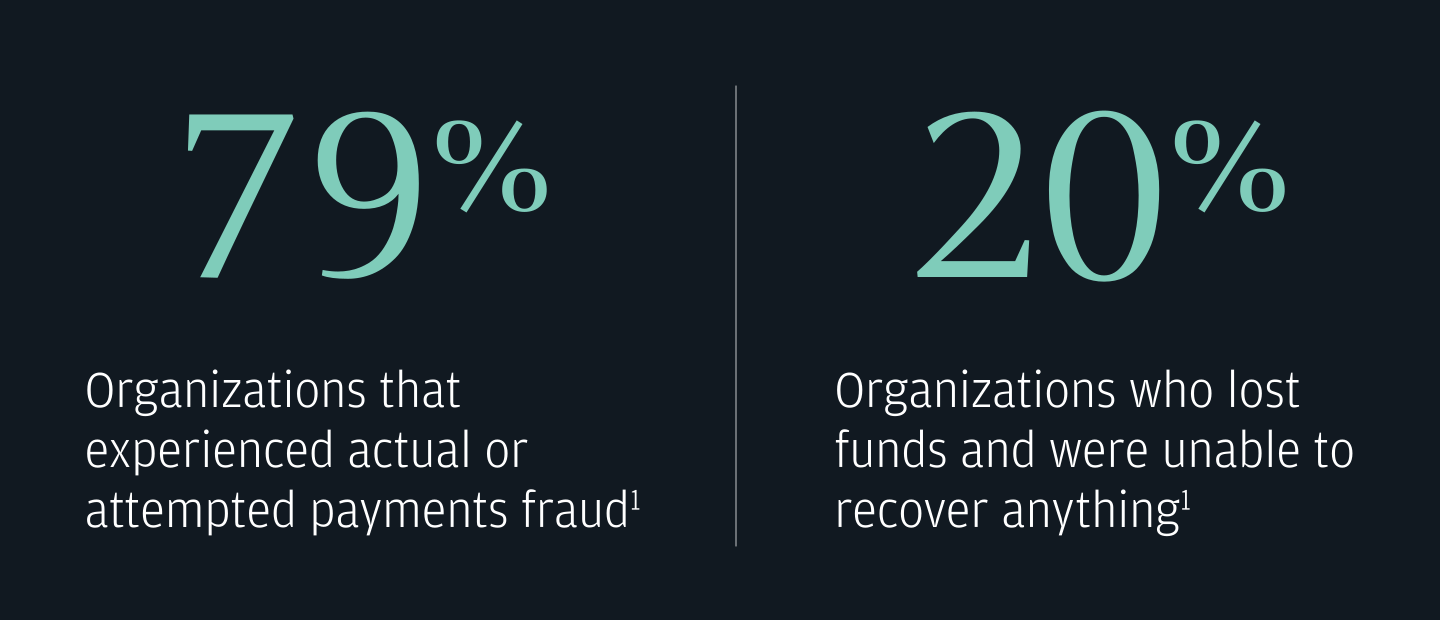
79% of organizations experienced actual or attempted payments fraud, and 20% of those who lost funds were unable to recover anything1
The scenario: When traditional controls aren’t enough
It’s Friday at 4:45 p.m. A junior accountant’s credentials—compromised days earlier via phishing—are used to initiate five wire transfers just below the dual-approval threshold. The timing is precise. It’s late enough that no one is watching the queue, and early enough to process before cutoff.
By Monday morning, reconciliation flags a mismatch. $750,000 has cleared. The receiving accounts are empty.
Traditional controls worked as designed: The credentials were valid, the user was authenticated and the payments matched surface-level patterns. But something was off in the behavior.
Payment Control Center: The behavior layer in approvals
Payment Control Center, part of J.P. Morgan Trust & Safety Solutions, adds a behavioral monitoring layer to your payment approvals. It applies client-defined rules that reflect your payment patterns—beneficiaries, amounts, timing, velocity and context—and flags anomalies in near real time, pausing outliers before funds move.
What Payment Control Center does
-

Applies client‑defined controls at initiation, so payments that breach your rules are paused before approval, not discovered after reconciliation.
-

Enforces your policies in near real time across ACH, wire and real‑time payments, reducing reliance on manual review and end‑of‑day catch‑up.
-

Routes outliers to the right owner quickly, so exceptions get resolved with accountability and auditability.
Configurable rules that fit your operation
A configurable rules engine lets you tailor controls to your payment behaviors and risk tolerance—reducing the false positives that generic industrywide thresholds create. Automated alerts route to your treasury team when anomalies occur.
For ACH-specific controls, ACH Transaction Blocking lets you limit transactions to those submitted by approved vendors and under set payments amounts. Together with Payment Control Center monitoring, you get layered defense: rule-based blocking for known risks, behavior-based detection for emerging threats.
Shift the question: From credentials to behavior
If authentication answers “who has the credentials,” behavioral monitoring asks “does this look like you?”
Behavioral monitoring establishes defined norms based on rules you configure—how you initiate payments, at what times, to which beneficiaries, in what amounts and at what frequency—and flags deviations in near real time. Used effectively, it surfaces suspicious payments before approval, giving your team the opportunity to investigate and act.
Payment Control Center screens ACH, wires and real-time payments against client-defined rules for your users and business units, pausing outliers before approval.
The difference is timing. Traditional controls surface ATO after reconciliation while behavioral monitoring is designed to surface it at initiation, when you can still intervene.
The scenario revisited: Loss avoided
Now, consider the same scenario with behavioral monitoring in place.
Before each payment was approved, Payment Control Center evaluated the transaction against client-defined rules and parameters for that user and business unit. It didn’t just ask “who is this?” It asked, “does this match your defined norms?”
What the system saw:
- Velocity: five payments in 15 minutes; this user’s baseline is one to two per hour
- Timing: initiation at 4:45 p.m.; this user typically pays between 9 a.m.–3 p.m.
- Beneficiary: vendor names match, but account numbers don’t match the vendor master
- Amount: each payment sits just under the approval threshold, atypical for this vendor
- Context: first time this user has initiated wires to these accounts
Any single indicator might be explainable. Together, they form a pattern rules-based screening can quickly surface. The system paused the payments for review before funds moved. An automated alert routed to the treasury manager and to the team’s queue. A quick verification call confirmed the compromise. Credentials were reset, vendor records corrected and all five payments canceled.
Loss avoided.
Why it worked
-

Behavior over credentials: the system recognized a valid login behaving in an unusual way
-

Near-real-time screening: anomalies were detected at initiation, not after reconciliation
-

Targeted friction: legitimate payments flowed, outliers were paused for review
-

Human in the loop: alerts routed to the right owner enabled fast intervention
Beyond authentication: The broader context
Behavioral monitoring complements authentication by evaluating how a credential behaves. not just whether it authenticates. It runs at machine speed, 24/7, without fatigue and with fewer oversight gaps than human review alone. It doesn’t replace your team’s judgment. It delivers better information sooner, so you can act before losses become unrecoverable.
What this means for your organization
Account takeover mimics business as usual until one detail breaks the pattern. By adding a behavioral monitoring layer with Payment Control Center—and tuning rules to your environment—you move detection from days to moments. The payoff is operational confidence: Routine payments flow at speed while outliers are elevated and examined.
Talk with J.P. Morgan Payments
Ready to add behavioral monitoring to your controls and strengthen your defenses against account takeover?
Connect with your J.P. Morgan representative or visit J.P. Morgan Trust & Safety Solutions to explore deployment options for your business.
References
2025 AFP Payments Fraud and Control Survey Report