Key takeaways
- The treasury setup of Merck KGaA, Darmstadt, Germany in the Philippines was fragmented across eight bank accounts and three banking relationships, with paper-based payments, manual check collections and statutory payments that required manual file uploads to local banks
- J.P. Morgan Payments delivered a single bank model through secure host-to-host (H2H) integration with the treasury management system of Merck KGaA, Darmstadt, Germany, enabling the Philippines' first-to-market straight-through processing of statutory payments
- Over a two-year transformation, Merck KGaA, Darmstadt, Germany consolidated banking from three local banks to one, generating significant cost savings and increasing additional interest income
About
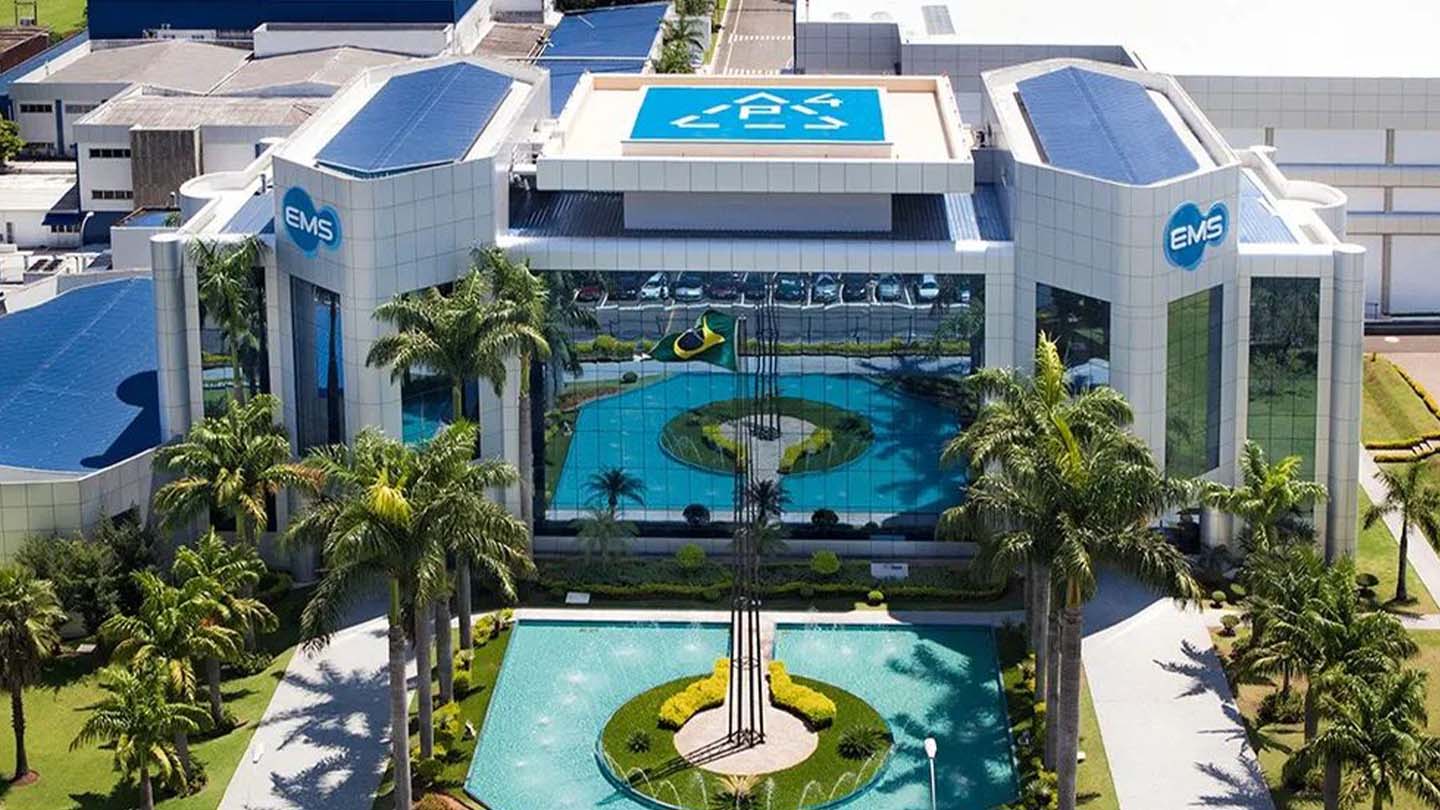
Merck KGaA, Darmstadt, Germany (the client) is a 350-year-old science and technology company headquartered in Germany, focused on using science as a force for good across healthcare, life sciences and electronics. With operations across more than 65 countries, the commitment to innovation extends to how the business is run. In the Philippines, the client operates both a shared service center and a commercial entity, each with distinct liquidity and operational needs across different ERP systems.
The challenge
What started as a practical market entry in the Philippines had evolved into operational complexity. The client operated eight separate bank accounts across three banking relationships, each established to meet specific regulatory requirements. Every account required individual attention, manual reconciliation and separate reporting processes.
Day-to-day treasury operations relied on manual document submission, paper-based workflows and physical check collections that required dedicated personnel to manage. Insufficient details in collection reports created delays in freeing up credit limits for customers. Treasury and local finance teams spent significant time on administrative coordination rather than strategic cash optimization.
Philippine banking regulations added another layer of complexity. Statutory payments traditionally required local bank involvement and manual file uploads, forcing the client to maintain banking relationships that conflicted with its vision of streamlined global operations. The challenge was clear: rationalize the banking structure without compromising regulatory compliance, eliminate manual processes while maintaining security and integrate with existing technology infrastructure without disrupting ongoing operations.
According to Jörg Bermüller, Head of Cash and Risk Management at Merck KGaA, Darmstadt, Germany, the priority became automating payments, outsourcing check collection, streamlining reconciliations and centralizing liquidity in a way that respected both the company’s global standards and local market realities.
The solution
J.P. Morgan Payments delivered a fully integrated single bank model for the client in the Philippines, customized to their existing treasury infrastructure. The solution included:
-

Secure host-to-host (H2H) integration with their treasury management system, enabling straight-through processing of all local payments, including statutory and payroll payments. This introduced automation, centralized visibility and harmonized processes aligned with industry ISO 20022 standards
-

The Philippines' first-to-market straight-through processing of statutory payments via H2H connectivity, removing the need for manual file uploads with local banks while adhering to internal controls
-

Automated funding and real-time liquidity through our overnight deposit liquidity proposal, removing the manual deposit placement process and the need to manually monitor balances
-

Streamlined check collections that eliminated the need for dedicated personnel to manage manual processes, with detailed collection reports that optimize the invoice countering process
-

The J.P. Morgan Access virtual branch platform for secure, efficient document handling of foreign exchange transactions, balancing local market practices with digital innovation
By leveraging the client's existing infrastructure while introducing strategic enhancements, the solution proved that innovation can emerge from intelligent integration rather than wholesale replacement. Since it was built on what the company already had rather than replacing it, the migration to the single bank model was managed without disrupting day-to-day operations.
The results
The transformation delivered a measurable, lasting impact across the client’s Philippine treasury operations:
- Consolidated banking from three local banks to one, with a streamlined account structure of one account per entity, while preserving full operational capabilities and gaining centralized visibility, near real-time liquidity and a foundation that scales across the Association of Southeast Asian Nations (ASEAN)
- Significant operational cost savings through banking consolidation and optimized pricing across the relationship
- An additional increase in interest income, generated through enhanced cash positioning and better visibility for cash deployment decisions
- Real-time liquidity optimization with no additional processes or implementation required
- Comprehensive end-to-end visibility across payment and receipt flows, transforming data fragmentation into operational efficiency
- Reduced operational risk through standardized controls and reporting via unified H2H connectivity
- A streamlined migration with no disruption to the client's ongoing operations
"What changed most is how our team in Manila works day to day. The manual reconciliations, the paper-based processes, the coordination across multiple banks. That's all gone. The team can now focus on driving value for the business instead of managing complexity."
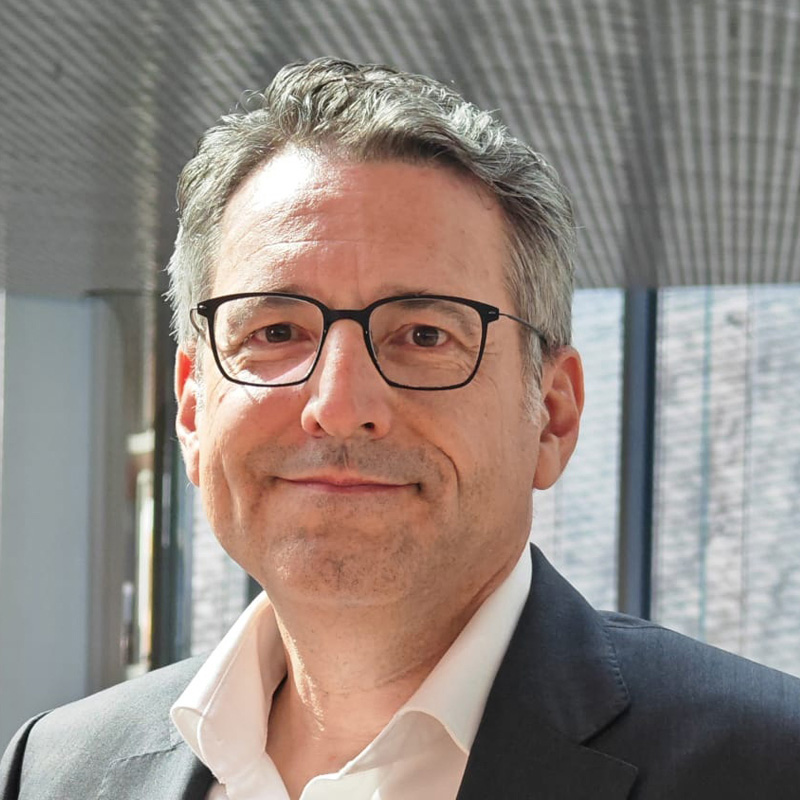
Jörg Bermüller
Head of Cash and Risk Management, Merck KGaA, Darmstadt, Germany
Beyond the numbers, the transformation reshaped how the client's treasury team works day to day. Team members were freed from time-intensive manual processes, allowing them to focus on strategic priorities. The elimination of manual check handling improved both operational efficiency and the working experience for the Manila team.
The implementation also provides a proven framework for replication across other ASEAN markets, supporting the company’s regional growth strategy. With a rationalized banking structure and advanced technology integration in place, they are well positioned to build on this foundation and deepen its digital treasury capabilities across its established operations in the region.
"The impact was significant. Measurable savings, stronger interest income and a treasury operation built for where Merck KGaA, Darmstadt, Germany is heading."
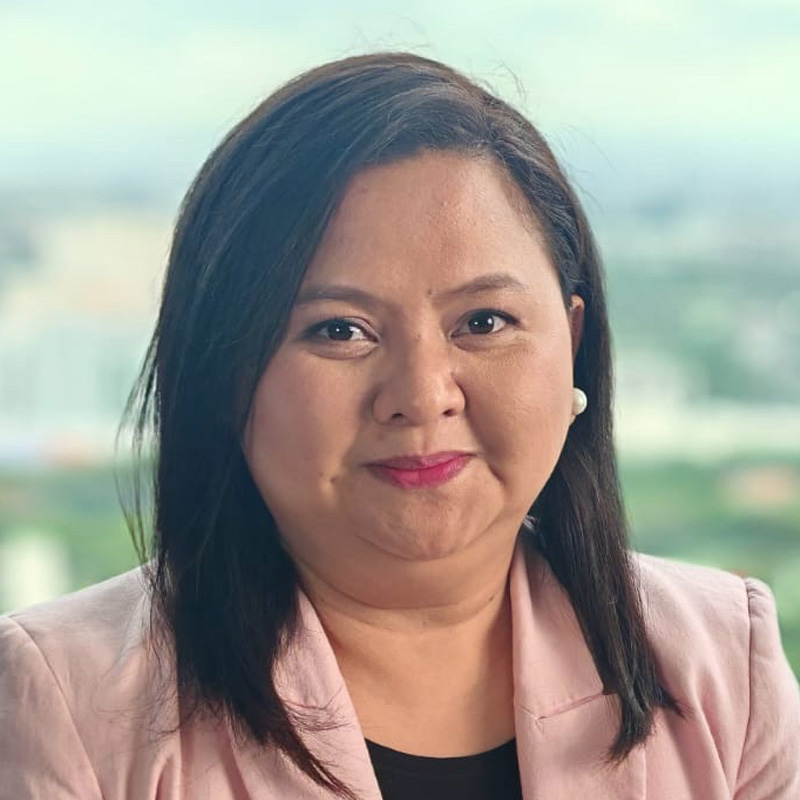
Sittie Gorpido
Head of Regional Treasury Center - Asia Pacific, Merck KGaA, Darmstadt, Germany
This treasury transformation honors local market traditions while creating the operational foundation for sustained regional growth. It demonstrates how multinationals can achieve operational excellence while respecting local market and regulatory frameworks in one of ASEAN's most culturally distinct financial environments.
"What we achieved with Merck KGaA, Darmstadt, Germany in the Philippines shows what's possible when a global bank and a global client work together to simplify operations, market by market."

Oliver Brinkmann
Co-head of Global Corporate Banking, Asia Pacific
Learn how our Treasury Liquidity Solutions can help your business
Disclaimer
©2026 JPMorgan Chase & Co. Member FDIC. Deposits held in non-U.S. branches are not FDIC insured. All rights reserved.
The statements herein are confidential and proprietary and not intended to be legally binding. Not all products and services are available in all geographical areas. Visit jpmorgan.com/paymentsdisclosure for further disclosures and disclaimers related to this content.