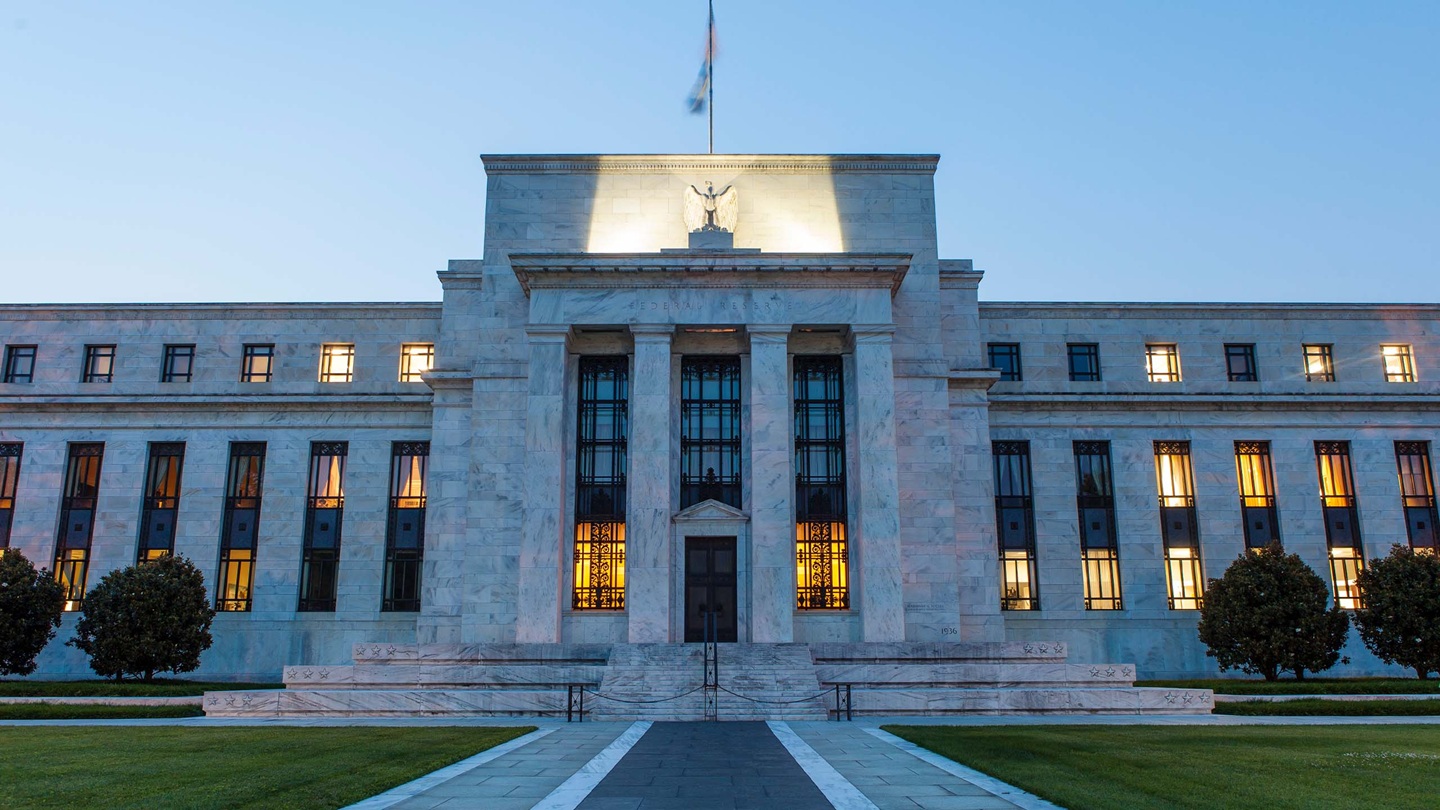
The Fed held interest rates steady at its October Federal Open Market Committee (FOMC) meeting, keeping the benchmark federal funds rate in a target range of 3.75% to 4.00%. The decision came after the central bank raised rates by a quarter percentage point in September – its first rate hike in more than three years – and as officials continue to weigh stubborn inflation against signs of a stable labor market and tighter financial conditions.
While the hold was widely expected, it doesn’t necessarily mean the Fed is done raising rates. Inflation remains above the Fed’s 2% target, with consumer prices up 3.7% from a year earlier in September, while economic growth has remained resilient. At the same time, higher Treasury yields may have tightened financial conditions enough for officials to wait before moving again.
For investors, the key question is what the October pause signals about the path ahead – especially whether the Fed still sees another hike as likely before the tightening cycle ends.
“We will deliver price stability, no ifs ands or buts,” Warsh said at his press conference on October 28. The Fed chair mentioned that while “inflation is too high,” the central bank is “encouraged by progress” and it is “our job to get monetary policy right.”
The Fed’s decision was in line with J.P. Morgan Wealth Management strategists' base case: The Fed may not be done tightening, and our strategists believe that there could be 50 basis points in total additional hikes before the cycle is over.
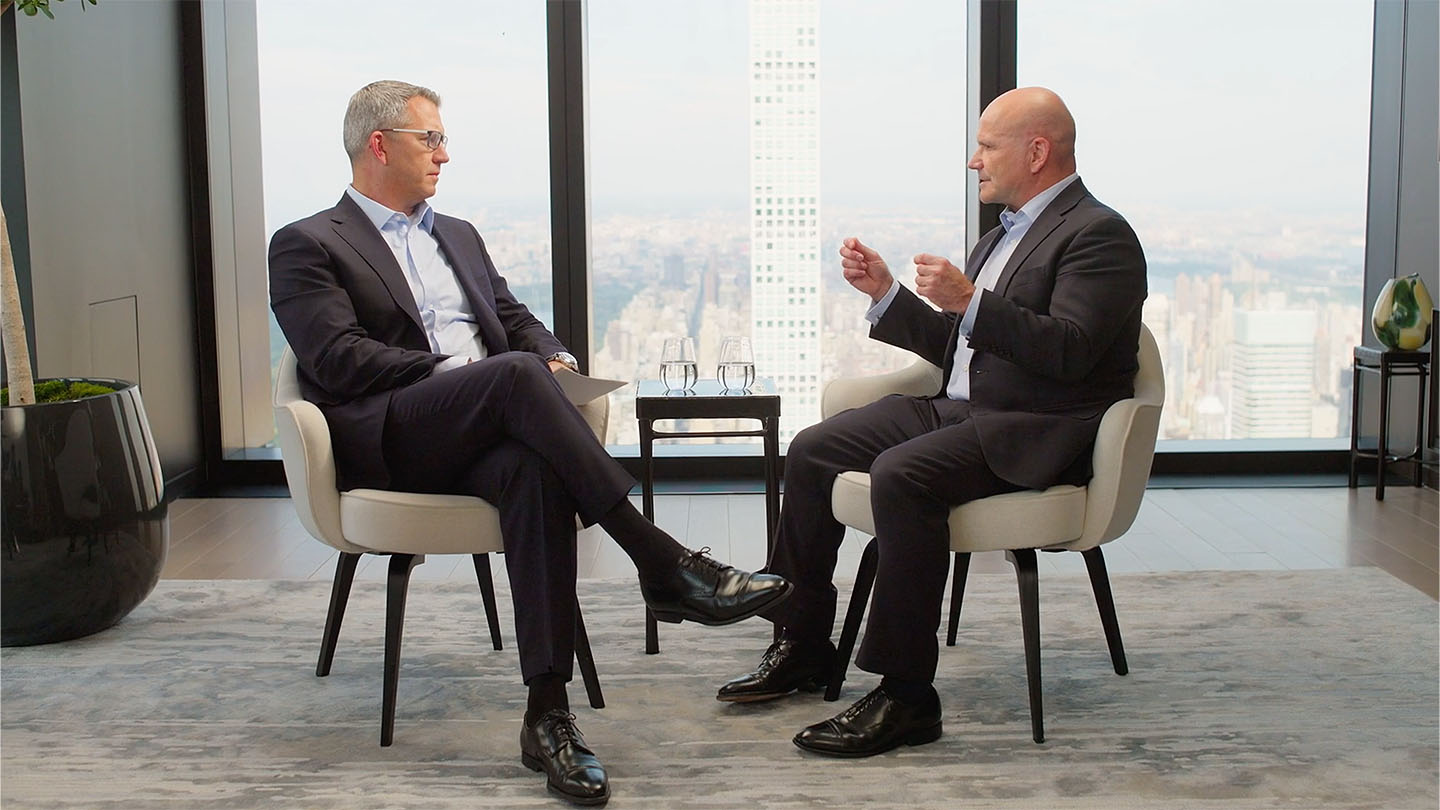
“With a 10-2 vote, the Federal Reserve decided to keep rates on hold and wait for more information on growth, inflation and labor markets to make a more informed decision on the appropriate level of rates,” J.P. Morgan Wealth Management Chief Investment Strategist Phil Camporeale said. “We believe that conditions will be met for a rate hike in December given the underlying strength of the economy likely keeping inflation rates above their 2% target for the foreseeable future.”
The FOMC voted 10-2 to hold interest rates steady at a target range of 3.75% to 4.00%. The decision marked a pause in the Fed’s renewed tightening cycle, but not necessarily an end to it.
The dissenting votes highlight an ongoing debate inside the Fed over how quickly officials should move to bring inflation back to target. Two Fed officials, Cleveland Fed President Beth Hammack and Fed Governor Lisa Cook, dissented in favor of another quarter-point hike, suggesting that a portion of the committee is worried that waiting too long could allow price pressures to become even more entrenched. The majority, however, opted to pause and evaluate whether higher yields and prior tightening are already slowing the economy.
The Fed is trying to balance two risks: Inflation remains above its 2% target, but the labor market is stable and higher Treasury yields have already made borrowing more expensive. That may reduce the urgency to raise rates again right away, even if officials aren’t ready to declare victory over inflation.
Still, a hold shouldn’t be mistaken for a pivot toward easier policy.
“Inflation remains elevated. The accumulation of more information will help the Committee determine the policy stance appropriate to ensure a timely return to the Committee’s 2% goal,” the FOMC said in its statement. The wording suggests that officials are indeed still focused on inflation risks, even as they take more time to assess whether policy is currently restrictive enough.
Despite no change to interest rates, the October decision keeps the Fed in wait-and-see mode. Inflation, labor market conditions, energy prices and financial conditions may help determine whether officials raise rates at the last meeting of the year in December.
The Fed’s decision to hold rates steady in October gives officials more time to assess the data, but it doesn’t necessarily mean the hiking cycle is over. Inflation remains above the Fed’s 2% target, and recent price data has kept another rate hike on the table.
September’s Consumer Price Index (CPI) report showed consumer prices rose 3.7% from a year earlier and 0.6% from August, the biggest monthly increase since April. Higher energy and gas prices were a major driver, but underlying inflation pressures also remained firm: Core CPI, which excludes food and energy, rose 0.3% month over month and 2.6% year over year.
The key question is whether the latest pickup in inflation fades or starts to look more persistent. A few more firm inflation readings could push officials toward another hike, while cooler inflation and softer labor data could strengthen the case for staying on hold.
Warsh has repeatedly emphasized that price stability remains the Fed’s priority and that the 2% inflation target is not flexible.
For investors, then, October’s hold looks less like a change in direction than a decision to wait for confirmation.
The Fed may not have raised rates in October, but financial conditions had already tightened in ways that matter for consumers, companies and investors. After the September rate hike, Treasury yields moved sharply higher, with the 10-year reaching levels not seen in decades, before easing back.
That matters because the Fed controls short-term interest rates, but longer-term yields help determine many real-world borrowing costs. When Treasury yields rise, mortgage rates can move higher, corporate borrowing can become more expensive and stock valuations can come under pressure.
Holding rates steady, then, may give officials more time to see how higher yields and prior rate increases are affecting the economy. It doesn’t mean the Fed is less concerned about inflation – it may simply mean officials want to avoid tightening policy too quickly if markets are already doing some of the work.
Investors were also watching whether futures markets continued to price in another possible hike at the Fed’s next meeting, scheduled for December 8–9.
Warsh has been less willing to preview future Fed decisions than investors may be used to. Speaking at the annual meetings of the International Monetary Fund and the World Bank in Bangkok on October 16 – shortly before the Fed’s pre-meeting quiet period – he declined to signal whether officials would raise rates again in October.
“I don’t prejudge meetings,” Warsh said. “I don’t believe in saying now what I might do at the meetings that we have in the balance of this year. It’s a new chapter at the Fed, [and] we’re not in that business anymore.”
Warsh also announced a structural change to how often the Fed votes on rates. Starting in 2027, one FOMC meeting will focus solely on broad monetary policy strategy, with "neither a vote on the federal funds rate nor a policy statement anticipated," he said. Two such meetings will follow in 2028, with the number of rate-setting meetings reduced to six. There will still be eight total FOMC meetings each year.
That change matters because investors may continue to receive fewer clear signals between FOMC meetings. Instead of relying on Fed officials to guide expectations in advance, markets may react more sharply to each CPI report, Personal Consumption Expenditures (PCE) inflation reading, jobs report and shift in Treasury yields.
His comments reinforced that the Fed is keeping its options open after October’s hold, with future decisions likely to depend on whether inflation cools, the labor market weakens or financial conditions tighten further.
For investors, the next few data releases could carry extra weight. Inflation, jobs and Treasury yields may matter more than any single Fed meeting as markets reassess the outlook for December and for 2027.
The next Fed meeting is scheduled for December 8–9, and the Fed may still need to tighten further before the rate-hike cycle ends. Our strategists continue to expect 50 basis points in total additional hikes going into 2027, depending on how inflation, growth and financial conditions evolve.
Markets are also leaning toward another move, with traders assigning more than an 80% probability to a December rate hike after the October decision.
Until the December meeting, there are several key data points to watch:
- PCE inflation reports
- CPI inflation reports
- Jobs reports
- Wage growth
- Treasury yields
- Energy prices
- Consumer spending
Together, those indicators will help determine whether the Fed believes policy is already restrictive enough or if a rate hike is warranted.
The case for another hike would likely strengthen if inflation remains sticky, economic growth stays resilient or financial conditions loosen again. The case for another hold could improve if inflation cools, the labor market weakens or elevated yields continue to make borrowing more expensive.
What happens next depends less on the October decision itself and more on whether the data gives officials confidence that inflation is moving back to target. Until then, December remains a live meeting.
For borrowers, the Fed’s decision to hold rates steady may reduce the immediate risk of another jump in short-term borrowing costs. But it doesn’t mean borrowing is getting cheaper. Credit card rates, home equity lines of credit and other forms of variable-rate debt remain more expensive than in past years, while mortgage rates can continue to move with Treasury yields and inflation expectations rather than the Fed’s policy rate alone.
For savers, elevated interest rates may continue to support yields on savings accounts, money market funds and certificates of deposit (CDs). The trade-off is that those yields may not last forever if the Fed eventually shifts toward lower rates, making it important for savers to think about liquidity needs and reinvestment risk.
For investors, higher yields can improve income opportunities in bonds, but prices may remain volatile if expectations for Fed policy keep shifting. Stocks may also be affected by changes in Treasury yields, especially in rate-sensitive parts of the market and areas where valuations depend heavily on future growth.
The Fed’s October hold gives policymakers more time to assess the data, but it doesn’t remove the risk of additional tightening in the future. For investors, the key takeaway is to stay focused on the broader rate path – and on how inflation, growth and the labor market evolve from here – rather than reacting to one meeting in isolation.