J.P. Morgan Family Wealth Institute™

Unravel the complexities of family wealth with educational resources on trusts, estates and legacy planning, governance and decision-making, family dynamics, life events, philanthropy and next gen learning and development.

[gentle music]

On screen:

This video opens with a title:

Text on screen:

Presented by J.P. Morgan Family Wealth Institute (trade mark)

The Quiet Disconnect

in family wealth conversations

On screen:

The J.P. Morgan Wealth Management logo remains in a corner as a dark-haired man in a gray suit sits in an office with warm natural accents. Identifying text appears as he holds cue cards and speaks into a microphone:

Text on screen:

Kevin Hale

Head of JPMA Marketing

J.P. Morgan Wealth Management

Kevin Hale:

Today, we're discussing the findings from our latest research paper: "The Quiet Disconnect in Family Wealth Conversations." It's a deep dive into how families communicate about wealth, inheritance, and legacy, and why so many of us find these conversations challenging. I'm joined today by two of my colleagues from J.P. Morgan Wealth Management, Jessica Douieb, Head of Family Wealth Services, and Stacy Allred, Head of Family Engagement and Governance. Thank you both for being here with us today.

On screen:

Identifying text appears beside a dark-haired woman in a blue blazer:

Text on screen:

Jessica Douieb

Head of Family Wealth Services

J.P. Morgan Wealth Management

On screen:

More text appears beside an auburn-haired woman in a brown blazer:

Text on screen:

Stacy Allred

Head of Family Engagement and Governance

J.P. Morgan Wealth Management

Kevin Hale:

So, let's dive right in. Jess, what is it that made you want to conduct research on this particular topic?

Stacy Allred:

Well, in our practice, we have just seen that it's really difficult for families across generations to have conversations about their wealth. On screen:

A graphic with 10 figures illustrates text:

Text on screen:

7 out of 10

family members are uncomfortable talking about wealth

Stacy Allred:

In fact, in our research, 7 out of 10 family members felt real discomfort about having these discussions, and we wanted to really understand why.

Kevin Hale:

Wow, 7 out of 10. That's pretty significant. Now, you both have had many, many years of working directly with clients and families one-on-one. Given all that, was there anything that still surprised you that came out of the research?

Stacy Allred:

Absolutely. We learned that "family wealth" meant different things to different generations.

On screen:

A heading reads:

Text on screen:

What family wealth means to different generations

On screen:

Under 'Boomers,' a shield icon points to text:

Text on screen:

Security

Legacy

On screen:

Under 'Gen X, Millennials, Gen Z,' a crossroads branching into four arrows points to more text:

Text on screen:

Freedom

Opportunity

Stacy Allred:

For example, Boomers tend to see it as security and legacy, and younger generations tend to see it as freedom and opportunity. And that mindset matters. Mindset impacts behavior, and behavior impacts outcomes.

Jessica Douieb:

Another interesting takeaway from the research is that Gen Xers like myself are often the translators. They're trying to balance the security that their parents seek along with the transparency and freedom that their kids are looking for. In fact, Gen Xers are nearly twice as likely as Boomers to find the conversations highly difficult to have, especially when communication styles can clash, and it can be really emotional.

On screen:

Text below dialogue bubbles reads:

Text on screen:

Gen X is

2x

more likely than Boomers to find family wealth talks challenging

Kevin Hale:

I could imagine. So, let's pull on those emotional heartstrings a little bit. What did the research show in terms of how these communications are making people feel?

Stacy Allred:

Discussing family wealth really touches nerves. Gen Xers and younger generations felt twice the level of anxiety and stress than Boomers.

On screen:

Text appears under an icon of a woman holding her head:

Text on screen:

Gen X, Millennials, and Gen Z feel

2x

the level of stress having financial talks vs. Boomers

Stacy Allred:

Our research showed that it was more than just communication styles. There are common hurdles and emotions like perceived fairness. We get a lot of questions about that. Avoidance and partial communication.

On screen:

Icons and text appear under a heading:

Text on screen:

Three hurdles tied to emotions

On screen:

A scale points to 'Perceived fairness;' a caution symbol points to 'Avoidance;' and dialogue bubbles point to 'Partial communication.'

Stacy Allred:

And all of these hurdles are expressed differently by each generation.

Jessica Douieb:

Another struggle expressed by both the Millennials and the Gen Z respondents is the lack of transparency and involvement. Which, when you think about it, is not too surprising for the younger generations because they've really been brought up in a culture where they share more than ever before.

On screen:

A circle chart shows:

Text on screen:

87%

of Millennials and Gen Zers value having family wealth conversations

Jessica Douieb:

In fact, in our research, 87% of Millennials and Gen Zers actually want to have these conversations. They value having these conversations around family wealth.

On screen:

Another graphic with three figures reads:

Text on screen:

1/3

of Boomers surveyed don't think family wealth conversations are important

Jessica Douieb:

Conversely, though, nearly a third of the Boomers don't feel that the conversations are important. So, we really have to bridge sort of these instances, and it's pretty critical to have these conversations amongst families. We would suggest that families try to find a common ground. Try to identify shared values, for example. And that can really ensure that the conversations are as productive as possible.

Kevin Hale:

I'm kind of chuckling to myself because this absolutely resonates with me personally. My sister and I are, you know, kind of encouraging our parents to have more of these conversations. They're Boomers. They're definitely open to it. But we're finding that we have to kind of nudge them along a little bit. So, on that note, what would you say are some tips or recommendations you would give to families to help make these cross-generational conversations even more productive.

On screen:

Text appears:

Text on screen:

Takeaway 1

Define and align on the meaning of wealth.

Stacy Allred:

You want to create a shared definition and understanding of what financial wealth means in your family. And wealth brings a lot of complexity.

On screen:

More text reads:

Text on screen:

Takeaway 2

Prioritize connection conversations over transactional ones.

Stacy Allred:

The second takeaway that we would recommend is that families should have connecting conversations, not just transactional ones. For example, we would suggest that a family probably not have the family wealth discussion at the moment of a crisis or a significant life event. So, you shouldn't do these sort of one-off situations. And in fact, we would suggest that they create shared experiences.

Kevin Hale:

Shared experiences. Now, what exactly does that mean?

Jessica Douieb:

Yes, that is a... that is a good question. So, a shared experience could be something as simple as taking a family vacation together across generations. Maybe they make that vacation a regular vacation, or a tradition, if you will. Another good example is creating a shared family project, something whereby the conversations can be ongoing, because we've really found that proactive and intentional conversations can really help preserve a family's legacy.

On screen:

Text reads:

Text on screen:

Takeaway 3

Embrace generational differences without judgment.

Stacy Allred:

Another key tip is that it's really important to embrace generational differences without judgment. Now, that can be easier said than done. So, it's helpful to remember that you can't be both curious and judgmental at the same time.

Kevin Hale:

I imagine, at the end of the day, it's about alignment and understanding. Is that right?

Stacy Allred:

That's exactly right. At the end of a family meeting where we've talked about values and valuables, we asked parents how that felt. They say they feel relieved. It was easier than they thought it would be, and also proud of the way that their rising generation showed up with care and engagement. And we asked the rising generation how it felt for them, and they say they really felt respected.

On screen:

Text reads:

Text on screen:

Takeaway 4: Don't be afraid to bring in outside help.

Jessica Douieb:

Finally, we would suggest not to be afraid to bring in outside help. Oftentimes, a neutral and trusted third party can help really ease tensions and ensure that the conversations are ongoing. Families can really thrive when they move away from these sort of one-off surface-level conversations and they try to have more deeper values-driven conversations, and that's how legacies are built and sustained.

Kevin Hale:

Well with that, I don't know if there's much more to say. That is ultimately what we're all working towards, right? And so, I will just say, thank you Stacy, thank you Jess, for sharing all these wonderful insights with all of us.

On screen:

Kevin addresses the viewer:

Kevin Hale:

And thank you for joining us. We hope you'll put some of these practices to work with your own family. To access our research and additional resources to support these conversations, visit the J.P. Morgan Family Wealth Institute.

On screen:

The video ends with a logo and text:

Logo:

J.P. Morgan Wealth Management.

Text on screen:

To access our research and additional resources, visit

JPMORGAN.COM/FWI

On screen:

A tan text box highlights the URL.

Side note:

Legal disclosures:

Text on screen:

Source: The Quiet Disconnect in Family Wealth Conversations, published January 15, 2026.

The views, opinions, estimates and strategies expressed herein constitutes the speaker's judgment based on current market conditions and are subject to change without notice, and may differ from those expressed by other areas of J.P. Morgan. This information in no way constitutes J.P. Morgan Research and should not be treated as such. You should carefully consider your needs and objectives before making any decisions --including whether the services, products, asset classes (e.g. equities, fixed income, alternative investments, commodities, etc.) or strategies discussed are suitable to your needs. You must also consider the objectives, risks, charges, and expenses associated with any investment or financial service, product or strategy prior to making an investment decision. For additional guidance on how this information should be applied to your situation, you should consult your advisor.

(In bold) JPMorgan Chase & Co. and its affiliates do not provide tax, legal or accounting advice. This material has been prepared for informational purposes only, and is not intended to provide, and should not be relied on for, tax, legal or accounting advice. You should consult your personal tax, legal and accounting advisors for advice before engaging in any transaction. Past performance is no guarantee of future results.

J.P. Morgan Wealth Management is a business of JPMorgan Chase & Co., which offers investment products and services through (in bold) J.P. Morgan Securities LLC (JPMS), a registered broker-dealer and investment adviser, member FINRA and SIPC. Insurance products are made available through Chase Insurance Agency, Inc. (CIA), a licensed insurance agency, doing business as Chase Insurance Agency Services, Inc. in Florida. Certain custody and other services are provided by JPMorgan Chase Bank, N.A. (JPMCB). JPMS, CIA and JPMCB are affiliated companies under the common control of JPMorgan Chase & Co. Products not available in all states.  

Copyright 2026 JPMorgan Chase & Co.

END

The Quiet Disconnect in Family Wealth Conversations

Our multigenerational research report reveals hidden barriers to family wealth conversations and offers open-dialogue strategies to build trust, deepen relationships and preserve family legacies.

View Report

7 in 10

Respondents have some difficulty in discussing financial and legacy matters with family members.

As uncovered in our proprietary research, learn more by reading our report.

[neutral background music]

On screen:

As this video begins, a man and woman walk into a white room and sit down in Eames chairs. The room has shelves with small, framed pictures, houseplants, and other decorative items.

Logo:

A small 'J.P. Morgan Wealth Management' logo appears and remains on screen for the entire video.

Note:

A bold disclosure in a text box reads:

On screen:

INVESTMENT AND INSURANCE PRODUCTS:

  • NOT A DEPOSIT

  • NOT FDIC INSURED

  • NOT INSURED BY ANY FEDERAL GOVERNMENT AGENCY

  • NO BANK GUARANTEE

  • MAY LOSE VALUE

On screen:

Opening title:

On screen:

Preparing for Transition:

An Exercise for Business Owners.

On screen:

Now the man (who has short salt-and-pepper hair, brown eyes, and a goatee) speaks to us.

On screen:

Adam Frank

Head of Wealth Planning and Advice

J.P. Morgan Wealth Management

Adam Frank:

I'm Adam Frank, I lead the Wealth Planning and Advice team for J.P. Morgan Wealth Management.

On screen:

Now the woman (who has long dark-brown hair and brown eyes) speaks to us.

On screen:

Stacy Allred

Head of Family Engagement & Governance

J.P. Morgan Wealth Management

Stacy Allred:

I'm Stacy Allred and I lead Family Engagement and Governance at J.P. Morgan Wealth Management.

On screen:

Why is succession planning important to business owners?

Adam Frank:

Usually when we talk about succession planning, we're talking about a business owner or a founder or a wealth creator making the transition of the business to a successor: a child or children, employees, a purchaser, a third-party purchaser.

On screen:

An infographic shows arrows coming from a business owner, pointing towards those three different types of successors.

Adam Frank:

But I like to think about it more broadly. It's a transition from one stage of life to another. And I know, Stacy, you and your team focus on that a lot, and we often collaborate in that intersection.

Stacy Allred:

Absolutely. And the question is, I want something not just to go from, but something to go to, and what does that look like across the arc of the hundred-year life and this non-linear life?

Adam Frank:

Because if you don't have something to go to, what we find is that business owners in particular who were running a business and now aren't often regret having planned the succession so well; they're no longer needed, they're no longer relevant.

On screen:

How do we assist business owners with succession planning?

Stacy Allred:

The best transitions we see are ones that start with a really nice long on-ramp and think of it more as a process, right, not an event, and plan for that. We like to say that we have the frameworks and the questions, and they have the answers. And with these frameworks and questions, we can help them design that vibrant next chapter.

On screen:

What strategies do we use to help business owners prepare for a successful transition?

Stacy Allred:

A practical tool for decision making in the transition planning is this idea of the pre- and pro-mortem. We're going to go into the future. Pick a timeframe that makes sense. The pre- and pro-mortem use our natural ability to tell stories that have quote "already happened."

On screen:

The pre- and pro-mortem exercise

Select a term in the future (1-10 yrs.) and use your natural ability to tell stories that have "already happened."

Note:

Small print text reads:

On screen:

Gary A. Klein, "Performing a project premortem," Harvard Business Review (September 2007)

Stacy Allred:

We're going to ask you to create two stories. The first story, the pre-mortem, is the disaster story. The transition's gone really poorly. Name every reason how did that happen?

On screen:

STORY 1: PRE-MORTEM

A Spectacular Failure

Accept that the plan had failed and imagine a disaster

Ex: The family members dismantle and sell off business at a massive loss.

Stacy Allred:

Now let's go to the pro-mortem, the brilliant story, why it wasn't perfect, it was really great. Name every possible reason.

On screen:

STORY 2: PRO-MORTEM

A Brilliant Outcome

Accept that the plan succeeded and imagine an excellent outcome

Ex: The family business thrives and achieves the family purpose.

Stacy Allred:

And then, our teams would work together to promote the pro-mortem and to protect against the pre-mortem.

Adam Frank:

So, it's a great thought experiment and it really does help make the decision making today more informed to guide the family towards, hopefully, a better outcome.

On screen:

When is the right time for succession planning?

Adam Frank:

The best time to start planning is now. It's always now. Even if you could have planned three years ago for something that's happening, you can still plan now for the future.

Stacy Allred:

Planning helps increase the probability of success, and who doesn't want success?

On screen:

Closing text:

Logo:

J.P. Morgan WEALTH MANAGEMENT

On screen:

FOR MORE INFORMATION, CONNECT WITH US AT JPMORGAN.COM/YOURWEALTHADVISOR.

Note:

Legal disclosures appear:

On screen:

Opinions expressed are those of the speakers and may differ from those of other J.P. Morgan employees and affiliates. Neither J.P. Morgan nor any of its affiliates can represent that the statements or opinions expressed today will materialize.

J.P. Morgan Wealth Management is a business of JPMorgan Chase & Co., which offers investment products and services through J.P. Morgan Securities LLC (JPMS), a registered broker-dealer and investment adviser, member FINRA and SIPC. Insurance products are made available through Chase Insurance Agency, Inc. (CIA), a licensed insurance agency, doing business as Chase Insurance Agency Services, Inc. in Florida. Certain custody and other services are provided by JPMorgan Chase Bank, N.A. (JPMCB). JPMS, CIA and JPMCB are affiliated companies under the common control of JPMorgan Chase & Co. Products not available in all states.

Copyright {{copyrightCurrentYear}} JPMorgan Chase & Co.

Trending Topics: An exercise for business owners preparing for transition

Early planning can help ensure you and your business are set up for a successful transition. Learn how to get started.

READ MORE

Enhance your family’s financial literacy with our collection of family wealth and planning articles

    • All Topics

    • Family Engagement and Governance

    • Life Events

    • Lifestyle

    • Philanthropy

    • Retirement

    • Taxes

    • Trusts and Estates

List View Off List View On

    No results found

    Adjust your filter selections to find what you’re looking for

    [soft electronic music]

    On screen:

    This video opens with a title over white:

    Text on screen:

    Introducing the 10 x 10 Learning Roadmap

    Logo:

    A J.P. Morgan Wealth Management logo remains in an upper corner.

    Side note:

    A bold disclaimer in a text box reads:

    Text on screen:

    INVESTMENT AND INSURANCE PRODUCTS:

    • NOT A DEPOSIT
    • NOT FDIC INSURED
    • NOT INSURED BY ANY FEDERAL GOVERNMENT AGENCY
    • NO BANK GUARANTEE
    • MAY LOSE VALUE

    On screen:

    Identifying text appears beside an auburn-haired woman in a dark blazer as she speaks from a room with textured walls and brass decor:

    Text on screen:

    Stacy Allred

    Head of Family Engagement and Governance

    J.P. Morgan Wealth Management

    Stacy Allred:

    The 10 x 10 Learning Roadmap was the result of myself and the two co-founders of Money, Meaning & Choices asking the question: What are the skills each family member needs to effectively integrate wealth?

    Side note:

    Small text reads:

    Text on screen:

    Money, Meaning & Choices Institute, Stacy Allred, Joan DiFuria and Stephen Goldbart

    Stacy Allred:

    Wealth brings complexity, and that complexity requires a mindset of lifelong learning. The model looks at 10 life stages, ranging from age 5 to 100, and 10 core competencies: five external (what you know) and five internal (who you are).

    On screen:

    Text appears beside her:

    Text on screen:

    10

    Life Stages

    x

    10

    Competencies

    On screen:

    Then, more text appears under the heading '10 x 10.' It lays out 10 life stages beside text that reads:

    Text on screen:

    Select their life stage

    1.   AGES 5-11/12

    ELEMENTARY SCHOOL

    2.   AGES 12-14/15

    MIDDLE SCHOOL

    3.   AGES 15-18/19

    HIGH SCHOOL

    4.   AGES 19-25

    EMERGING ADULTHOOD

    5.   AGES 26-35

    EARLY ADULTHOOD

    6.   AGES 35-40

    MIDDLE ADULTHOOD

    7.   AGES 40s TO LATE 50s

    ESTABLISHED ADULTHOOD

    8.   MID-50s TO MID-70s

    LATE ADULTHOOD

    9.   LATE 60s TO 90s

    ELDERING PART I

    10.        LATE 70S TO END OF LIFE

    ELDERING PART II

    Stacy Allred:

    So, in essence, the 10 x 10 invites learners into this journey to select their life stage, look at the learning activities, and choose the top three relevant for them now and to get started.

    On screen:

    Next to text reading 'Look at the learning activities,' boxes with icons lay out five 'External Competencies' and five 'Internal Competencies'. External include:

    Text on screen:

    • Financial Skills
    • Wealth and Life Planning Skills
    • Stewardship and Governance Skills
    • Philanthropy Skills
    • Entrepreneurial and Family Enterprise Skills

    On screen:

    Internal include:

    Text on screen:

    • Emotional Abilities
    • Social Abilities
    • Learning and Growth Mindset
    • Responsibility and Accountability
    • Health and Wellness

    On screen:

    Last, text reads:

    Text on screen:

    Choose the top 3 relevant for them.

    On screen:

    Three icons appear:

    • a clipboard for 'Responsibility & Accountability'
    • a gavel for 'Stewardship & Governance Skills'
    • a family for 'Wealth & Life Planning Skills'

    Side note:

    Small text below reads:

    Text on screen:

    Source: 10x10 Learning Roadmap, Advancing Flourishing in Families of Wealth (2021).

    Stacy Allred:

    The beauty of the 10 x 10 is that you can use it with one individual, to a couple, to a family, to a multigenerational family. We used it with one family ranging in age from age 8 to 80.

    [uplifting music]

    Side note:

    Small text appears:

    Text on screen:

    Client story is for illustrative purposes only. Individual outcomes may vary.

    Stacy Allred:

    Let me give you a quick story of how we use the 10 x 10 with an individual in a real, important moment of a life transition. This smart, dynamic, graceful young woman came, and she was feeling overwhelmed and woefully underprepared. She had just lost her father and inherited a really complex set of structures.

    On screen:

    Text appears over white:

    Text on screen:

    10 Life Stages x 10 Competencies

    On screen:

    The life stages appear, and Stage '5: AGES 26-35 EARLY ADULTHOOD' is circled.

    Stacy Allred:

    We invited her into the 10 x 10 Learning Roadmap. She selected her life stage, read through the stage overview, looked at the learning activities across the ten core competencies, and selected the three most relevant to her.

    On screen:

    The competencies appear, then three are highlighted:

    Text on screen:

    Responsibility and Accountability

    Wealth and Life Planning Skills

    Stewardship and Governance Skills

    Stacy Allred:

    The first learning activity she selected was to navigate the impact of wealth within a fiscally diverse relationship. Next, navigating all of these entities, she didn’t want to be just a beneficiary, but an empowered, engaged, excellent beneficiary, really understanding the internal and external pressures to be financially independent in a family of wealth. After she selected the priorities, we brainstormed on an action plan, defining a set of doable steps and working with her advisor team. It was amazing a year later how much progress she had made. She had moved from overwhelm to having confidence and clarity. You know, the 10 x 10, these external and internal competencies working in synergy, result in family members knowing who I am, what I’m capable of, and what really matters.

    On screen:

    Text highlights her words:

    Text on screen:

    Who I am

    What I am capable of

    What really matters

    Stacy Allred:

    The most important thing with the 10 x 10 is to get started, to move past that intention-to-action gap and make progress, big or small, in a way that’s doable and right for you.

    On screen:

    A logo appears over white:

    Logo:

    J.P. MORGAN WEALTH MANAGEMENT

    Text on screen:

    FOR MORE INFORMATION, CONNECT WITH US AT JPMORGAN.COM/YOURWEALTHADVISOR.

    Stacy Allred:

    We invite you into the 10 x 10 Learning Roadmap. It’s accessible through your advisor.

    Side note:

    Legal disclosures:

    Text on screen:

    Opinions expressed are those of the speakers and may differ from those of other J.P. Morgan employees and affiliates.

    Neither J.P. Morgan nor any of its affiliates can represent that the statements or opinions expressed today will materialize.

    (In bold) JPMorgan Chase and its affiliates do not provide tax, legal or accounting advice. This material has been prepared for informational purposes only, and is not intended to provide, and should not be relied on for tax, legal or accounting advice. You should consult your personal tax, legal and accounting advisors for advice before engaging in any transaction.

    J.P. Morgan Wealth Management is a business of JPMorgan Chase & Co., which offers investment products and services through (in bold) J.P. Morgan Securities LLC (JPMS), a registered broker-dealer and investment adviser, member FINRA and SIPC. Insurance products are made available through Chase Insurance Agency, Inc. (CIA), a licensed insurance agency, doing business as Chase Insurance Agency Services, Inc. in Florida. Certain custody and other services are provided by JPMorgan Chase Bank, N.A. (JPMCB). JPMS, CIA and JPMCB are affiliated companies under the common control of JPMorgan Chase & Co. Products not available in all states.

    Copyright 2025 JPMorgan Chase & Co.

    END

    Customized learning framework

    Our 10x10 learning model guides you in nurturing empowered, responsible family members through developing 10 core competencies along 10 life stages - from age 7 to 100 - for lifelong success.

    LEARN MORE

    Meet our team

    Our leaders recognize the complexity of family wealth and legacy. Our institute empowers families with educational resources to thrive across generations.


    Jess Douieb

    Head of Wealth Partners & Family Wealth Services

    Learn more

    Stacy Allred

    Managing Director, Head of Family Engagement and Governance

    Learn more

    Anne Black

    Managing Director, Wealth Partners Strategy, New York Metro Area Regional Lead, Family Engagement and Governance

    Learn more

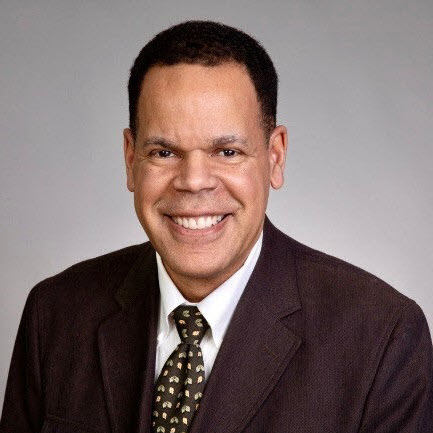
    Adam Frank

    Managing Director, Head of Wealth Planning and Advice, J.P. Morgan Wealth Management
    Learn more

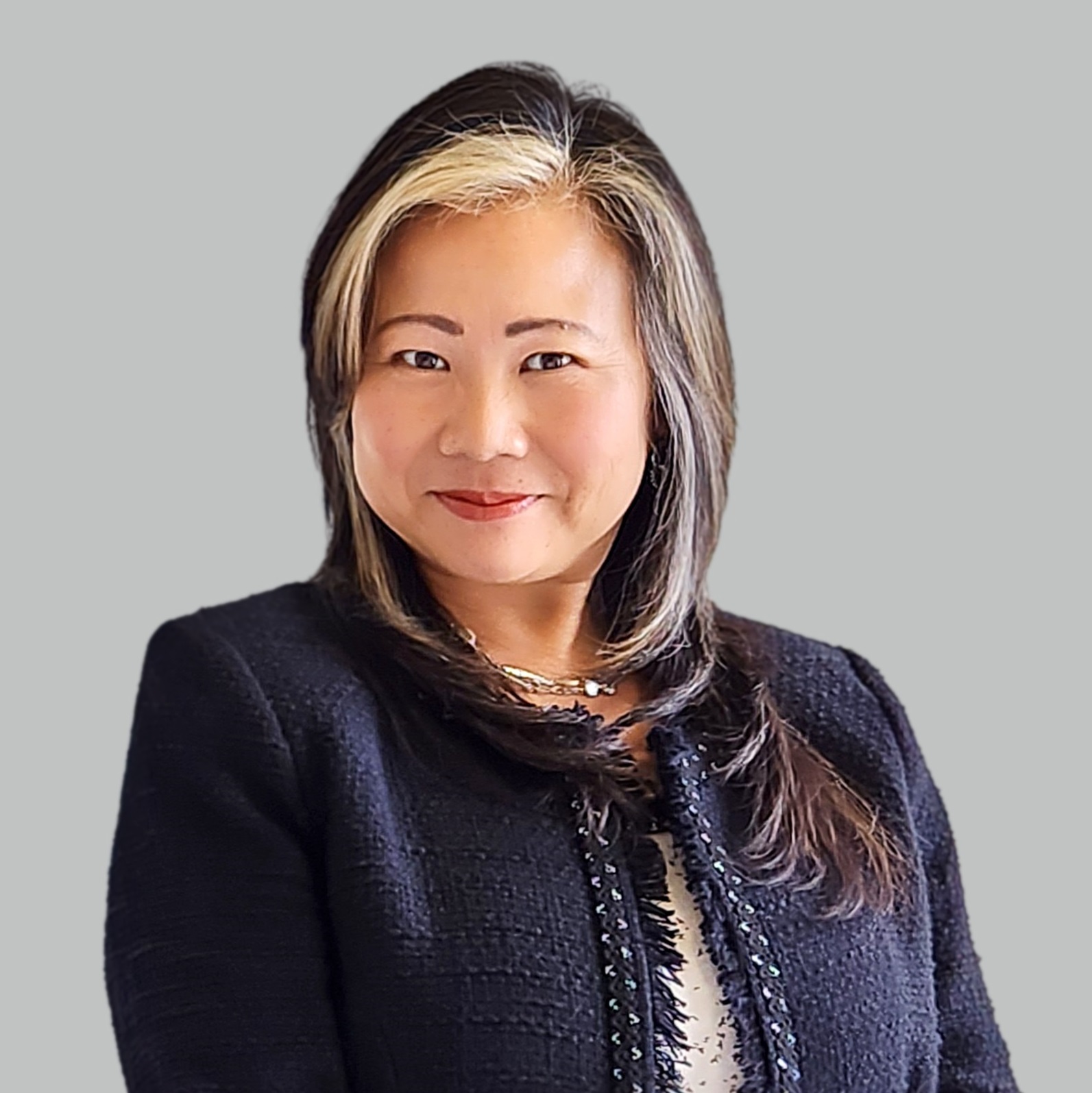
    Elizabeth (Lisa) Nam

    Managing Director, Family Engagement and Governance

    Learn more

    Stuart C Burden

    Executive Director, Family Engagement and Governance

    Learn more

    LEARN MORE ABOUT OUR FIRM AND INVESTMENT PROFESSIONALS AT FINRA BROKERCHECK.

    To learn more about J.P. Morgan’s investment business, including our accounts, products and services, as well as our relationship with you, please review our J.P. Morgan Securities LLC Form CRS (PDF) and Guide to Investment Services and Brokerage Products.

    This website is for informational purposes only, and not an offer, recommendation or solicitation of any product, strategy service or transaction. Any views, strategies or products discussed on this site may not be appropriate or suitable for all individuals and are subject to risks. Prior to making any investment or financial decisions, an investor should seek individualized advice from a personal financial, legal, tax and other professional advisors that take into account all of the particular facts and circumstances of an investor's own situation.

    This website provides information about the brokerage and investment advisory services provided by J.P. Morgan Securities LLC (JPMS). When JPMS acts as a broker-dealer, a client's relationship with us and our duties to the client will be different in some important ways than a client's relationship with us and our duties to the client when we are acting as an investment advisor. A client should carefully read the agreements and disclosures received (including our Form ADV disclosure brochure, if and when applicable) in connection with our provision of services for important information about the capacity in which we will be acting.

    J.P. Morgan Wealth Management is a business of JPMorgan Chase & Co., which offers investment products and services through J.P. Morgan Securities LLC (JPMS), a registered broker-dealer and investment adviser, member FINRA, and SIPC. Insurance products are made available through Chase Insurance Agency, Inc. (CIA), a licensed insurance agency, doing business as Chase Insurance Agency Services, Inc. in Florida. Certain custody and other services are provided by JPMorgan Chase Bank, N.A. (JPMCB). JPMS, CIA and JPMCB are affiliated companies under the common control of JPMorgan Chase & Co. Products not available in all states.

    Bank deposit accounts, such as checking and savings, may be subject to approval. Deposit products and related services are offered by JPMorgan Chase Bank, N.A. Member FDIC.

    JPMorgan Chase Bank, N.A. Member FDIC. This is not a commitment to lend. All extensions of credit are subject to credit approval. Bank products and services are offered by JPMorgan Chase Bank, N.A. and its bank affiliates.

    Investments in alternative investment strategies is speculative, often involves a greater degree of risk than traditional investments including limited liquidity and limited transparency, among other factors and should only be considered by sophisticated investors with the financial capability to accept the loss of all or part of the assets devoted to such strategies.

    Borrowing with securities as collateral involves certain risks, including the possibility that you may need to deposit additional securities and/or cash in the account to meet a maintenance call, and that securities in the account may be sold to meet the maintenance call.  Proper management of your account and a thorough understanding of the conditions that may affect your investments will assist you in effectively using the margin lending program.

    Please read additional Important Information in conjunction with these pages.

    INVESTMENT AND INSURANCE PRODUCTS ARE:
    • NOT FDIC INSURED • NOT INSURED BY ANY FEDERAL GOVERNMENT AGENCY • NOT A DEPOSIT OR OTHER OBLIGATION OF, OR GUARANTEED BY, JPMORGAN CHASE BANK, N.A. OR ANY OF ITS AFFILIATES • SUBJECT TO INVESTMENT RISKS, INCLUDING POSSIBLE LOSS OF THE PRINCIPAL AMOUNT INVESTED