
Print

Key takeaways

  • The 30-year Treasury yield closed at 5.27% on July 31, 2026, a level not seen since 2007.
  • Higher Treasury yields may create opportunities for income-focused investors, but they can also pressure bond prices and some stock valuations.
  • Headlines about Treasury yields come and go, but understanding what drives long-term interest rates can help investors make more informed decisions.

Contributors

Hilarey Gould

Editorial staff, J.P. Morgan Wealth Management

The 30-year Treasury yield climbed above 5.00% in both May and July this year, a level not seen since 2007.1 When a benchmark like that reaches a nearly two-decade high, financial media tend to take notice, and investors start asking how that might impact the economy and their investments.

Before jumping to conclusions, though, it is worth taking a deeper dive into what a higher Treasury yield actually means. In fact, it’s not automatically good news or bad news. Rather, it’s a signal shaped by inflation expectations, government borrowing needs and investor sentiment all at once.

Let’s look at why yields have moved, what may be pushing them higher, what the shift means for the broader economy and which lessons hold true no matter where yields go from here.

Why are 30-year Treasury yields making headlines?

A 30-year Treasury bond is a loan to the U.S. government that comes due in 30 years. The yield on that bond reflects the return investors demand in exchange for tying up their money for that long. When the yield rises, it means investors are asking for more compensation to hold that debt.

In May and also July of this year, the 30-year Treasury yield rose above levels not seen since 2007.2 That milestone drew attention because that yield acts as a benchmark for long-term borrowing costs throughout the economy – and often reflects investors' outlook for years to come.

Several factors appear to be contributing to higher long-term yields: Investors continue to weigh inflation expectations, stronger-than-expected economic data, growing federal deficits and increased Treasury issuance to finance government spending. These dynamics have also increased uncertainty around the longer-term path of fiscal and monetary policy, pushing investors to demand higher yields on long-dated Treasuries.

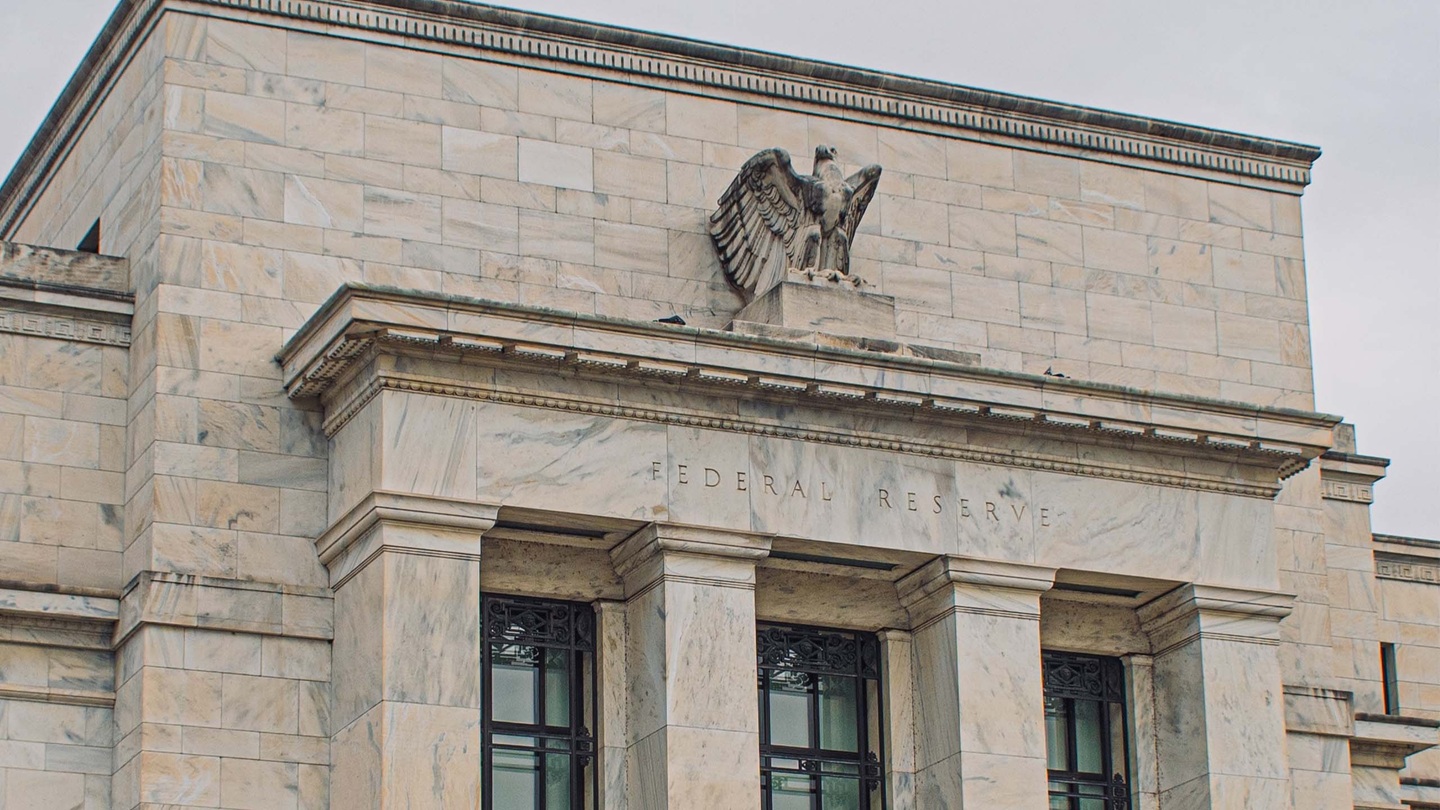
It's important to clear up common misconceptions, though. The Federal Reserve (Fed) sets short-term interest rates, but it does not directly control the 30-year Treasury yield. Long-term yields are set by the market and reflect expectations for inflation and growth, the expected path of future short-term rates, and the term premium investors demand for holding long-dated bonds.

Why do higher Treasury yields matter?

Treasury yields act as a benchmark for a wide range of other interest rates across the economy, so when they move, the effects ripple outward. For consumers, those ripples can show up in mortgage rates, auto loans, home equity borrowing and some types of business lending. For businesses, higher yields mean higher borrowing costs, which can factor into decisions about expansion or hiring.

The federal government can feel ripple effects, too. As older, lower-rate debt matures and gets refinanced at today's higher yields, interest payments on the national debt climb, adding to an already sizable debt-servicing bill. Interest on the national debt reached $857 billion over the first nine months of the fiscal year, up 13% from a year earlier. That interest bill now exceeds what the government spent on Medicare and on the military over the same stretch, with total federal debt near $39.8 trillion by late July 2026.3

Markets respond as well. Higher Treasury yields can put pressure on some stock valuations because future earnings are discounted at a higher interest rate, making those future cash flows worth less in today's dollars. Bond prices move in the opposite direction of yields, and longer-term bonds typically experience larger price swings than shorter-term bonds when interest rates change.4

What does this mean for investors?

A rising 30-year Treasury yield can mean different things for investors, depending on their holdings and their investing priorities. Let’s consider some of these effects.

Bond investors

One of the most important principles of bond investing is that prices and yields move in opposite directions. When yields rise, prices on existing bonds tend to fall, since older bonds paying lower rates become less attractive relative to new issues. That said, newly issued bonds may become more appealing because they lock in higher income for years to come. Investors holding individual bonds to maturity are less exposed to the impact of interim price swings than those in bond funds, which do not have a fixed maturity date. Either way, higher yields can create reinvestment opportunities as maturing bonds and interest payments get put back to work at more attractive rates.

Stock investors

Growth stocks, whose valuations often rest on earnings expected years in the future, may be more sensitive to rising yields than other parts of the market.

Because a larger portion of their expected earnings lies further in the future, as interest rates rise, those future earnings may be valued less highly. Dividend-paying stocks can also feel competitive pressure, since investors now have a higher-yielding, relatively lower-risk alternative sitting in Treasury bonds. Still, Treasury yields are only one input; over the long run, fundamentals and earnings growth tend to be the bigger drivers of stock returns.

Retirement investors

For retirees and near-retirees, higher yields may be welcome news, since they improve income opportunities from bonds, annuities and other fixed-income holdings. That said, higher yields are not a reason to abandon a long-term investment plan. Maintaining an appropriate asset allocation based on your goals, time horizon and risk tolerance generally remains more important than reacting to market headlines.

Does a higher 30-year Treasury yield signal trouble ahead?

Not necessarily. While a rising long-term yield can reflect persistent inflation concerns or more government borrowing, it can also be an indicator of stronger economic growth expectations or shifting investor sentiment.

What it does not automatically signal is a recession, a stock market crash, an imminent rate hike by the Fed or a reason to sell everything in your portfolio.

Yields reflect a mix of competing factors at any given moment, and reading too much into a single move can lead to decisions you may later regret. Rather than treating a yield spike as a verdict on the economy, consider it just one piece of a much larger economic picture.

The bottom line: What should long-term investors keep in mind?

Headlines about record yields are attention-grabbing, but a single day's market move is rarely a sound basis for changing your investment strategy. Keep your long-term financial goals front and center, and use moments like this as a prompt to review your asset allocation rather than overhaul it.

Higher yields can create both risk and opportunity depending on where they show up in your portfolio, which is why diversification matters more than trying to predict where the 30-year Treasury yield goes next. Nobody – including the best economists – has perfect foresight about the events that can move rates or financial markets.

Headlines will keep changing. The 30-year Treasury yield will keep moving, sometimes higher, and sometimes lower. But the principles behind sound long-term investing generally do not change: Stay diversified, match your portfolio to your goals and risk tolerance, and resist the urge to react to every news headline.

References

1.

CNBC, “30-Year Treasury Yield Hits Highest Level Since 2007 After Fed Keeps Rates Unchanged.” (July 29, 2026)

2.

Federal Reserve Bank of St. Louis, “Market Yield on U.S. Treasury Securities at 30-Year Constant Maturity, Quoted on an Investment Basis.” (August 5, 2026)

3.

Yahoo Finance, “30-Year Treasury Yield Hits 2007 High as Bond Market Doubts the Fed.” (July 30, 2026)

4.

FINRA, “Brush Up on Bonds: Interest Rate Changes and Duration.” (September 19, 2024)


Connect with a Wealth Advisor

Reach out to your Wealth Advisor to discuss any considerations for your current portfolio. If you don’t have a Wealth Advisor, click here to tell us about your needs and we’ll reach out to you.

Connect now

IMPORTANT INFORMATION

This material is for informational purposes only, and may inform you of certain products and services offered by J.P. Morgan’s wealth management businesses, part of JPMorgan Chase & Co. (“JPM”). Products and services described, as well as associated fees, charges and interest rates, are subject to change in accordance with the applicable account agreements and may differ among geographic locations. Not all products and services are offered at all locations. If you are a person with a disability and need additional support accessing this material, please contact your J.P. Morgan team or email us at accessibility.support@jpmorgan.com for assistance. Please read all Important Information.

Bonds are subject to interest rate risk, credit and default risk of the issuer. Bond prices generally fall when interest rates rise.

The price of equity securities may rise or fall due to the changes in the broad market or changes in a company's financial condition, sometimes rapidly or unpredictably. Share values can rise with strong earnings or positive market expectations, but they can also fall due to weak earnings or negative sentiment, and dividends are not guaranteed. Investing in fixed income products (such as bonds) is subject to certain risks, including, but not limited to, interest rate, credit, inflation, call, default, prepayment and reinvestment risk. Any fixed income security sold or redeemed prior to maturity may be subject to substantial gain or loss.

Changes in economic and market conditions, interest rate risk, and lack of liquidity may affect equity performance. Investments in equity structures entail certain risk factors and investments in commodities may have greater volatility than investments in traditional securities. The value of commodities may be affected by changes in overall market movements, commodity index volatility, changes in interest rates, or factors affecting a particular industry or commodity, such as drought, floods, weather, livestock disease, embargoes, tariffs and international economic, political and regulatory developments. Investing in commodities creates an opportunity for increased return but, at the same time, creates the possibility for greater loss.

GENERAL RISKS & CONSIDERATIONSAny views, strategies or products discussed in this material may not be appropriate for all individuals and are subject to risks. Investors may get back less than they invested, and past performance is not a reliable indicator of future results. Asset allocation/diversification does not guarantee a profit or protect against loss. Nothing in this material should be relied upon in isolation for the purpose of making an investment decision. You are urged to consider carefully whether the services, products, asset classes (e.g. equities, fixed income, alternative investments, commodities, etc.) or strategies discussed are suitable to your needs. You must also consider the objectives, risks, charges, and expenses associated with an investment service, product or strategy prior to making an investment decision. For this and more complete information, including discussion of your goals/situation, contact your J.P. Morgan representative.

NON-RELIANCECertain information contained in this material is believed to be reliable; however, JPM does not represent or warrant its accuracy, reliability or completeness, or accept any liability for any loss or damage (whether direct or indirect) arising out of the use of all or any part of this material. No representation or warranty should be made with regard to any computations, graphs, tables, diagrams or commentary in this material, which are provided for illustration/reference purposes only. The views, opinions, estimates and strategies expressed in this material constitute our judgment based on current market conditions and are subject to change without notice. JPM assumes no duty to update any information in this material in the event that such information changes. Views, opinions, estimates and strategies expressed herein may differ from those expressed by other areas of JPM, views expressed for other purposes or in other contexts, and this material should not be regarded as a research report. Any projected results and risks are based solely on hypothetical examples cited, and actual results and risks will vary depending on specific circumstances. Forward-looking statements should not be considered as guarantees or predictions of future events.

Nothing in this document shall be construed as giving rise to any duty of care owed to, or advisory relationship with, you or any third party. Nothing in this document shall be regarded as an offer, solicitation, recommendation or advice (whether financial, accounting, legal, tax or other) given by J.P. Morgan and/or its officers or employees, irrespective of whether or not such communication was given at your request. J.P. Morgan and its affiliates and employees do not provide tax, legal or accounting advice. You should consult your own tax, legal and accounting advisors before engaging in any financial transactions.

Legal Entity and Regulatory Information.

J.P. Morgan Wealth Management is a business of JPMorgan Chase & Co., which offers investment products and services through J.P. Morgan Securities LLC (JPMS), a registered broker-dealer and investment adviser, member FINRA and SIPC. Insurance products are made available through Chase Insurance Agency, Inc. (CIA), a licensed insurance agency, doing business as Chase Insurance Agency Services, Inc. in Florida. Certain custody and other services are provided by JPMorgan Chase Bank, N.A. (JPMCB). JPMS, CIA and JPMCB are affiliated companies under the common control of JPMorgan Chase & Co. Products not available in all states.

Bank deposit accounts and related services, such as checking, savings and bank lending, are offered by JPMorgan Chase Bank, N.A. Member FDIC.

This document may provide information about the brokerage and investment advisory services provided by J.P. Morgan Securities LLC (“JPMS”). The agreements entered into with JPMS, and corresponding disclosures provided with respect to the different products and services provided by JPMS (including our Form ADV disclosure brochure, if and when applicable), contain important information about the capacity in which we will be acting. You should read them all carefully. We encourage clients to speak to their JPMS representative regarding the nature of the products and services and to ask any questions they may have about the difference between brokerage and investment advisory services, including the obligation to disclose conflicts of interests and to act in the best interests of our clients.

J.P. Morgan may hold a position for itself or our other clients which may not be consistent with the information, opinions, estimates, investment strategies or views expressed in this document. JPMorgan Chase & Co. or its affiliates may hold a position or act as market maker in the financial instruments of any issuer discussed herein or act as an underwriter, placement agent, advisor or lender to such issuer.


Check the background of our firm and investment professionals on FINRA's BrokerCheck

To learn more about J.P. Morgan Wealth Management’s investment business, including our accounts, products and services, as well as our relationship with you, please review our J.P. Morgan Securities LLC Form CRS and Guide to Investment Services and Brokerage Products.

This website is for informational purposes only, and not an offer, recommendation or solicitation of any product, strategy service or transaction. Any views, strategies or products discussed on this site may not be appropriate or suitable for all individuals and are subject to risks. Prior to making any investment or financial decisions, an investor should seek individualized advice from a personal financial, legal, tax and other professional advisors that take into account all of the particular facts and circumstances of an investor's own situation. 

This website may provide information about the brokerage and investment advisory services provided by J.P. Morgan Securities LLC ("JPMS"). When JPMS acts as a broker-dealer, a client's relationship with us and our duties to the client will be different in some important ways than a client's relationship with us and our duties to the client when we are acting as an investment advisor. A client should carefully read the agreements and disclosures received (including our Form ADV disclosure brochure, if and when applicable) in connection with our provision of services for important information about the capacity in which we will be acting.

INVESTMENT AND INSURANCE PRODUCTS ARE:
• NOT FDIC INSURED • NOT INSURED BY ANY FEDERAL GOVERNMENT AGENCY • NOT A DEPOSIT OR OTHER OBLIGATION OF, OR GUARANTEED BY, JPMORGAN CHASE BANK, N.A. OR ANY OF ITS AFFILIATES • SUBJECT TO INVESTMENT RISKS, INCLUDING POSSIBLE LOSS OF THE PRINCIPAL AMOUNT INVESTED

J.P. Morgan Wealth Management is a business of JPMorgan Chase & Co., which offers investment products and services through J.P. Morgan Securities LLC (JPMS), a registered broker-dealer and investment adviser, member FINRA and SIPC Insurance products are made available through Chase Insurance Agency, Inc. (CIA), a licensed insurance agency, doing business as Chase Insurance Agency Services, Inc. in Florida. Certain custody and other services are provided by JPMorgan Chase Bank, N.A. (JPMCB). JPMS, CIA and JPMCB are affiliated companies under the common control of JPMorgan Chase & Co. Products not available in all states.

Please read additional Important Information in conjunction with these pages.